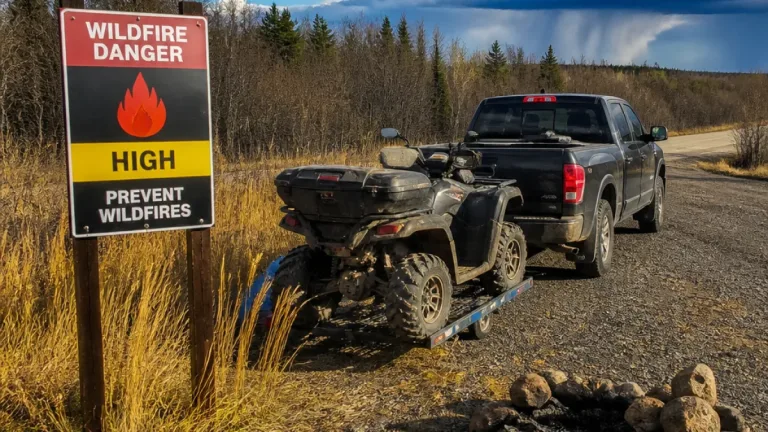
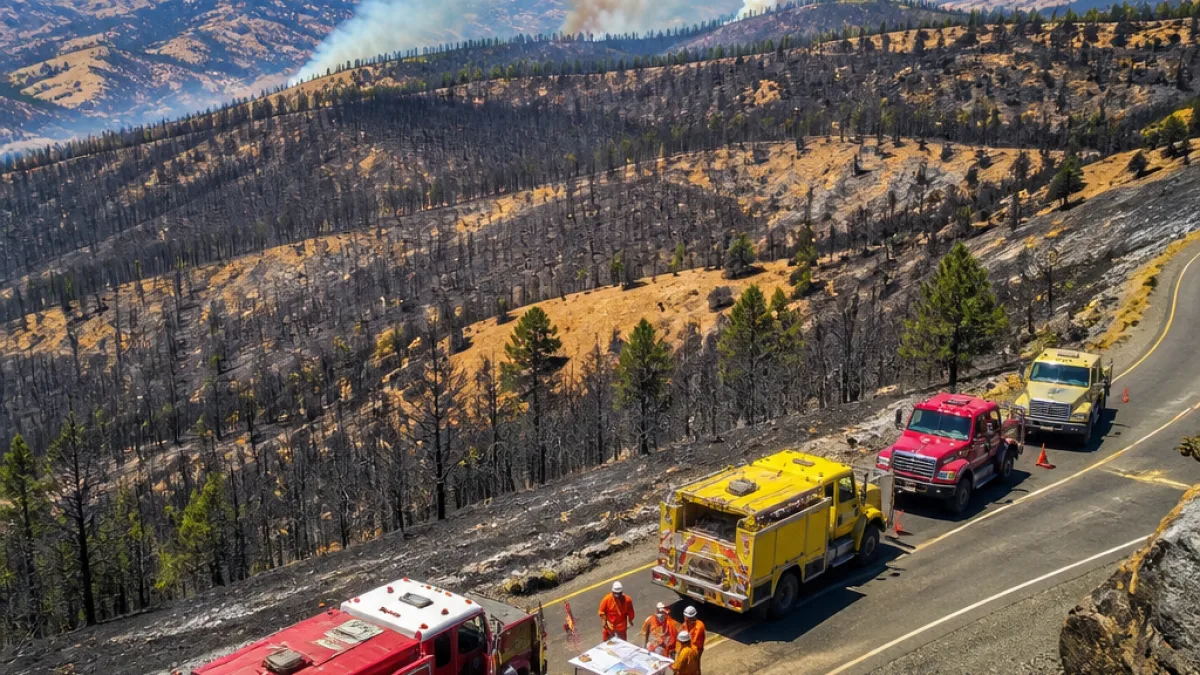
As Oregon’s 2026 wildfire season continues to strain firefighting resources and state budgets, a preliminary report from the Oregon Department of Forestry shows the season has already burned an estimated 2.5 million acres across 1,581 fires and produced about $236.2 million in gross large-fire costs as of Aug. 20.
Season outpaces 2024 and long-term averages
The report, prepared for the Legislative Fiscal Office and presented to the Oregon Emergency Board, finds the 2026 season has surpassed the state’s record-setting 2024 season in both acres burned and net fire costs. After expected federal grants and cost recoveries, the estimated net fire costs stood at $157.4 million as of Aug. 20.
State analysts attributed the early and aggressive season to a combination of a record-low snowpack, record-high temperatures and an early onset of drought. Fire activity began in March and April — well before the statewide fire season designation on June 15 — and a major dry-lightning event on July 22 produced 8,357 strikes that sparked multiple new fires.
Financial strain beyond typical budgets
The scale of the 2026 season represents a sharp departure from recent norms. The report compares this year’s figures with 10-year averages and the 2024 season:
- Acres burned through Aug. 20: 2.5 million (a 29% increase over 2024)
- Gross large-fire costs: $236.2 million (up 136.8% over the 10-year average of $99.8 million)
- Net fire costs: $157.4 million (up 280.6% over the 10-year average of $41.3 million)
| Metric | 2026 (as of Aug. 20) | 10-year average |
|---|---|---|
| Gross large-fire costs | $236.2 million | $99.8 million |
| Net fire costs | $157.4 million | $41.3 million |
| Acres burned | ~2.5 million | — |
Federal assistance and grant approvals
The Legislative Fiscal Office noted the Oregon Department of Forestry had received approval for multiple Federal Emergency Management Agency Fire Management Assistance Grants. According to the report, approved grants included incidents tied to these fires:
- Lower Dry Creek Fire (near Milton-Freewater)
- Akawa Butte Fire (near Sisters)
- Grasshopper Fire (near Tygh Valley)
- Hagen Fire (near Pendleton)
- Wright Springs Fire (upper Klamath Lake)
- Fielder Mountain Fire (near Grants Pass)
Those grants will offset some of the state’s immediate expenses, but the report highlights that Oregon remains exposed to rising costs as fires become more frequent and severe.
Operational and public impacts
Beyond direct suppression costs, the report and state officials have warned of broader consequences for communities and infrastructure, from evacuation and sheltering costs to damage to private property and the long-term expenses tied to rehabilitation and watershed recovery. Gov. Tina Kotek declared a statewide wildfire emergency on June 16 as the season escalated.
Fire managers also stressed that early-season ignitions complicated response strategies: dozens of smaller fires in March and April compounded staffing and equipment demands when larger incidents erupted later in the summer. By late July, officials reported more than 150 separate active fires across Oregon.
What officials say and what comes next
The Legislative Fiscal Office prepared the report for consideration by the Oregon Emergency Board, which decides on supplemental funding requests proposed by state agencies. The state continues to seek additional resources to cover mounting suppression costs and to support recovery efforts where incidents have damaged public lands and infrastructure.
For residents in fire-prone areas, state agencies continue to urge preparedness measures, including maintaining defensible space around homes, following evacuation orders promptly, and staying informed through county emergency alerts and the Oregon Office of Emergency Management.
Officials emphasize that while federal grants ease the immediate financial burden, the state faces a long-term challenge in adapting budgets and policy to account for larger and earlier fire seasons driven by changing climate and hydrologic conditions.
State lawmakers and agency leaders are expected to review the preliminary numbers and consider additional emergency funding requests when the Oregon Emergency Board meets. The final tally for the 2026 season will continue to evolve as fires are fully contained and costs are reconciled.