
BRANDON — A Coos County judge is expected to sentence Brian Tenney, 54, to seven years and six months in prison Tuesday afternoon after he admitted to systemic neglect of animals at the now-closed West Coast Game Park Safari and pleaded guilty to related criminal offenses.
Under the plea agreement, prosecutors will ask the court to order Tenney to pay $340,922.61 in restitution. The agreement also includes a court-imposed ban that will bar him from possessing or living with domestic animals and from owning many classes of animals for 15 years following his felony conviction.
Charges and investigation
Tenney pleaded guilty in April to neglecting more than 40 animals housed at the southern Oregon roadside zoo he operated. In addition to animal neglect counts, his pleas covered one count each of racketeering, delivery of methamphetamine, unlawful possession of a machine gun, short-barreled firearm or silencer, and recklessly endangering another person, according to court filings.
The Oregon State Police launched an inquiry after receiving inspection reports from the U.S. Department of Agriculture in October 2024. Investigators worked with officers from the Oregon Humane Society and collected records from the park’s attending veterinarian at Bandon Veterinary Clinic as part of the probe.
Searches, seizures and findings
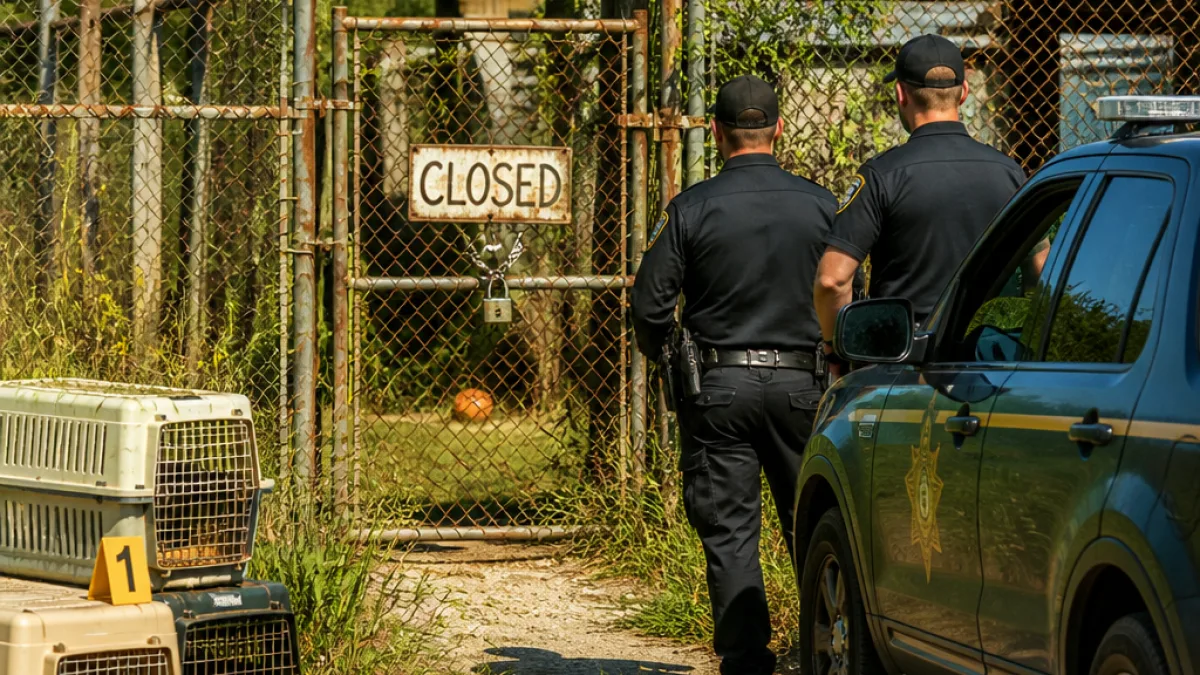
Between May 15 and May 18, 2025, law enforcement executed multiple search warrants at the property and removed more than 270 live animals representing over 40 species. Authorities also seized what a prosecutor described as a “substantial quantity” of illegal drugs, drug packaging materials and firearms.
Investigators found animals suffering from serious, preventable injuries linked to inadequate care and unsafe enclosures. Examinations showed several animals had died of starvation, and dead animals recovered from a freezer displayed signs consistent with prolonged neglect.
| Item | Detail |
|---|---|
| Sentence sought | 7 years, 6 months |
| Restitution | $340,922.61 |
| Animals removed | More than 270 live animals, over 40 species |
| Animal ownership ban | 15 years |
Examples of neglect cited by prosecutors
Prosecutors described several specific, troubling cases uncovered in the investigation. A tiger known as Rocko, believed to have died after a fight with another tiger in October 2023, was found in a freezer. A necropsy showed that Rocko’s stomach was empty and the animal had muscle atrophy consistent with starvation rather than fatal trauma.
Another example involved a fishing cat, a species native to parts of Asia. The cat reportedly fell from a perch in December 2024, and while initial reports noted the fall, postmortem findings indicated the animal most likely starved afterward.
- Investigators say many animals had untreated, preventable injuries.
- Dead animals in freezers showed signs of prolonged starvation.
- Searches uncovered drugs, packaging supplies and multiple firearms on site.
Community and legal implications
The forthcoming sentence marks a significant punitive measure in a case that drew scrutiny from federal and state agencies as well as animal welfare advocates. The combination of felony convictions tied to animal mistreatment alongside drug and weapons crimes underscores the broader criminal conduct alleged at the site.
Prosecutors state the restitution figure reflects costs associated with the animals’ seizure, veterinary care and other expenditures to address the welfare crisis discovered at the park. The long ban on animal ownership aims to prevent Tenney from resuming control of animals in the years after he leaves prison.
The West Coast Game Park Safari, a roadside attraction in Bandon, has been shuttered since the investigation. State and local agencies have since been involved in rehoming and providing care for the animals removed during the raids.
Sentencing is set for Tuesday afternoon in Coos County court, where the judge will consider the plea agreement and the requested penalties.
This case follows an increasing national focus on oversight of private animal exhibitors and roadside zoos, particularly when federal inspection reports or local complaints indicate possible violations of care standards.
















