
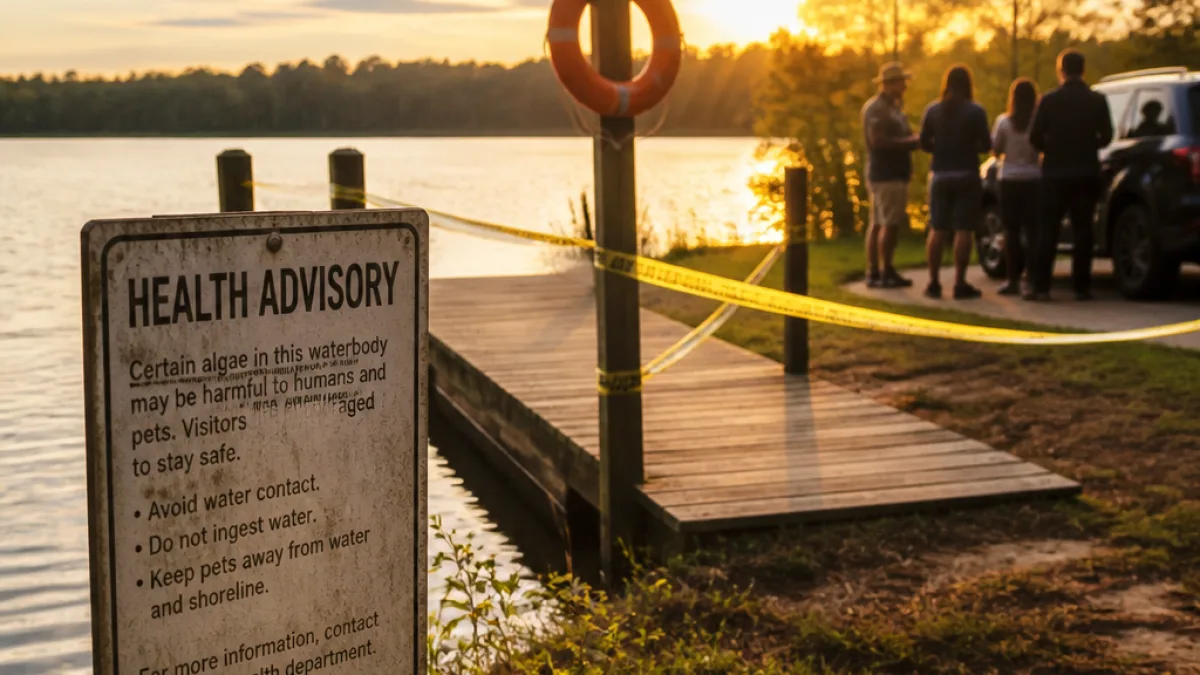
A central North Carolina teenager is critically ill after contracting a rare and often fatal infection caused by Naegleria fowleri, state health officials said Friday, prompting renewed warnings about the risks of warm freshwater exposure during the late-summer swimming season.
What officials have said
The North Carolina Department of Health and Human Services confirmed the diagnosis and said the patient is receiving medical care. State Epidemiologist Zack Moore, M.D., offered condolences to the teen’s family and stressed preventive measures.
"Our hearts go out to this teen's family, friends and loved ones as they navigate this difficult time," said State Epidemiologist Zack Moore, M.D. "While these infections are very rare, this is an important reminder that this amoeba is present in our state and across the U.S. There are steps people can take to reduce their risk of infection while swimming during the warmer months."
Officials said the investigation into the specific water source that led to the infection is ongoing. The case follows a recent fatal pediatric infection in Louisiana, where public health authorities linked a similar amoeba to likely exposure while swimming in a lake.
How Naegleria fowleri infects people
According to federal and state public-health guidance, Naegleria fowleri is a free-living amoeba that occurs naturally in warm freshwater environments. It typically enters the human body through the nose during activities such as swimming, diving or submerging the head in warm lakes, rivers and hot springs.
| Where it has been found | Examples |
|---|---|
| Natural bodies of water | Lakes, rivers, hot springs |
| Treated water systems | Occasional traces in tap water, poorly maintained pools |
| Recreational facilities | Wave pools, other warm-water attractions with inadequate disinfection |
Precautions swimmers should take
State health officials reiterated common-sense steps to reduce the already low risk of infection. They emphasized these measures are particularly important in late summer when water temperatures are highest.
- Avoid getting water up the nose. Use nose clips or hold the nose shut when submerging.
- Limit activities that force water into the nose, such as diving or jumping headfirst.
- Choose well-maintained pools and aquatic facilities with proper disinfection and filtration.
- Avoid warm freshwater during high temperatures or periods of low water flow.
- Be cautious with untreated or minimally treated water sources; treat or boil water used for nasal rinsing.
The Centers for Disease Control and Prevention notes infections are rare but progress rapidly and can be fatal. Early symptoms often resemble other illnesses — headache, fever, nausea and vomiting — and can quickly advance to confusion, seizures and coma. Because of the speed at which the infection can worsen, public-health officials stress prompt medical attention if symptoms develop after freshwater exposure.
Local context and broader trend
Cases of Naegleria fowleri remain uncommon in the United States, but recent detections in varied locations have renewed attention to the amoeba. Earlier studies flagged traces in freshwater at several national parks and investigators have documented occasional detections in treated water systems when disinfection is inadequate.
In North Carolina, health officials did not release the exact county or water body involved, saying investigations to identify the source are ongoing. State and local authorities commonly withhold specific locations until environmental testing and patient interviews narrow the possibilities to protect privacy and avoid premature conclusions.
What to do if you or a family member were exposed
Medical providers advise that anyone who experiences a high fever, severe headache, stiff neck, confusion, loss of balance, seizures or other neurologic symptoms after recent freshwater exposure should seek immediate medical care and inform clinicians about the exposure.
State agencies continue to monitor the situation and work with federal partners to investigate. In the meantime, public-health messaging focuses on prevention: avoiding nasal exposure to warm freshwater remains the most reliable way to reduce risk.
Health officials said they will update the public as more information becomes available about the teen’s condition and the source of the infection.

















