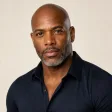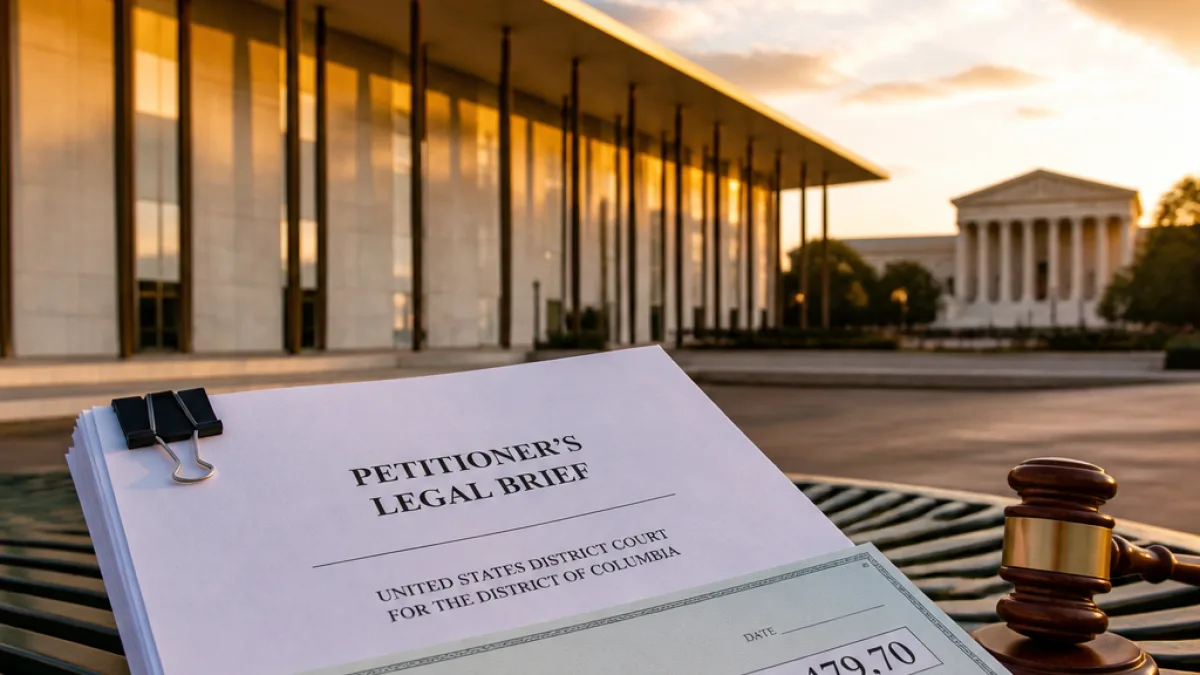
A Washington, D.C., superior court has ordered the Kennedy Center to pay $252,479.70 to jazz musician Chuck Redd after the center’s breach-of-contract lawsuit against him was dismissed under the District’s anti‑SLAPP statute, a judge ruled Monday.
Judge cites anti‑SLAPP protections for public‑interest speech
Judge Tanya M. Jones Bosier granted Redd’s motion to dismiss the Kennedy Center’s claim, saying the musician’s decision to cancel his long-running Christmas Eve concert amounted to protected speech on a matter of public interest. Redd had withdrawn from the annual performance after the center added former President Donald Trump’s name to its façade in December.
“No citizen should have to spend time and money fending off baseless and politically motivated lawsuits filed by the Trump Administration,”
that one of Redd’s attorneys wrote in a statement emailed to NPR, after the judge’s order also required the Kennedy Center to cover legal fees and related costs.
Financial and institutional fallout
The court’s fee award comes as the Kennedy Center faces broader upheaval. The organization’s board and executive leadership were removed earlier, and the center has suspended most public programming and education activities, according to public reporting. The facility’s future remains under judicial review by a federal court, which has required the center to provide details about planned construction, programming and public access.
The Kennedy Center said it intends to appeal the superior court ruling, signaling continued litigation. The center had initially sought up to $1 million in damages from Redd after he canceled the nearly two‑decades‑long holiday show in protest of the name change.
Key dates and figures
| Date | Event | Amount |
|---|---|---|
| December (previous year) | Kennedy Center adds Donald Trump’s name to façade; Chuck Redd cancels annual concert | — |
| June | Judge Tanya M. Jones Bosier dismisses Kennedy Center suit under anti‑SLAPP law | — |
| Monday (ruling) | Kennedy Center ordered to pay Redd’s legal fees and costs | $252,479.70 |
What this means for artists and institutions
The court’s application of the District’s anti‑SLAPP statute underscores legal protections for individuals who take public positions on matters of civic interest, including actions directed at well‑known public institutions. Attorneys for Redd framed the case as an example of a private citizen using the law to resist what they called a politically motivated lawsuit.
For performing artists and presenters, the ruling may lessen the threat of costly litigation when they publicly criticize or withdraw from events tied to controversies. For cultural institutions, the decision signals that litigation against critics can carry substantial financial risk if courts find the underlying speech to be protected.
Ongoing controversies surround the Kennedy Center
The fee award arrives amid lingering questions about the center’s governance. In February 2025, the center’s previous president, board chair and board members were removed and replaced with new leadership, and former President Trump remains in the role of chairman. The institution announced plans to close for extensive renovations, but a federal judge has demanded additional details about how the center will handle construction, programming and public access.
- Legal outcome: Suit dismissed under D.C.’s anti‑SLAPP statute.
- Financial burden: Kennedy Center ordered to pay $252,479.70 in attorneys’ fees and costs.
- Institutional impact: Center intends to appeal; broader governance and programming issues remain unsettled.
The Kennedy Center’s appeal will likely extend the legal dispute and maintain attention on how cultural institutions navigate political controversies, governance changes and their obligations to patrons and artists. The ruling also highlights the way local laws can affect disputes between public figures, private citizens and major cultural organizations in the nation’s capital.
Reporting for this article relied on the superior court’s ruling and statements from legal counsel and the Kennedy Center released publicly.