A nonprofit associated with a former New Hampshire House speaker and retired lobbyist collected more than $274,411 from the state’s charitable gaming system since 2019, including a single nearly $131,000 check this January, despite showing no public signs of carrying out charitable activity, according to a month-long review by the Concord Monitor.
Large receipts, little public trace
Records show the organization, the Concord Coach Society, was a high-ranking beneficiary of charitable gaming proceeds in recent years. The group received more than $166,000 in 2025 alone and has taken in a total of $274,411 since 2019, the review found.
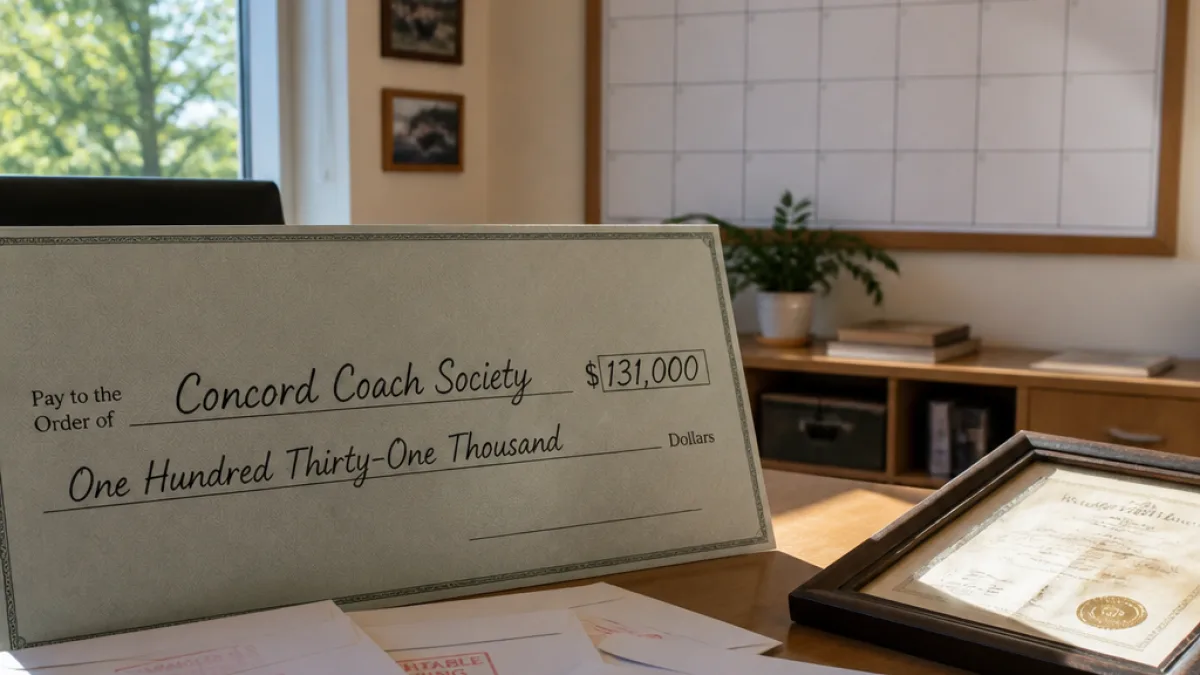
The nonprofit is linked to George B. Roberts Jr., a former speaker of the New Hampshire House and a retired lobbyist. In January, Roberts accepted a nearly $131,000 check from one of the state’s largest casinos, the Nash, made payable to the Concord Coach Society.
Despite those sizable receipts, the Monitor found no evidence the Concord Coach Society has engaged in any public-facing activity such as holding events, meetings or fundraising drives. State charitable gaming rules require proceeds to benefit charitable or civic purposes, and beneficiaries typically must document how funds are used.
Questions about oversight and transparency
The discrepancy between funds received and visible activity raises questions about how charitable-gaming beneficiaries are vetted and monitored. New Hampshire’s charitable gaming program allows casinos and other gaming operators to direct portions of certain proceeds to qualified charities and civic organizations, but detail on how recipients use the money is not always publicly available.
Advocates for stronger oversight say the situation highlights the need for clearer reporting requirements so that the public can see how charitable-gaming dollars are spent. Critics say large payments to groups with little online or community presence undermine confidence in the system.
What the records show
From the documents obtained and reviewed by the Monitor:
- The Concord Coach Society received a nearly $131,000 check from the Nash casino in January.
- The organization reported more than $166,000 in charitable-gaming receipts in 2025.
- Total charitable-gaming receipts to the group since 2019 amount to $274,411.
| Item | Amount |
|---|---|
| January check from the Nash | Nearly $131,000 |
| Charitable-gaming receipts in 2025 | $166,000+ |
| Total since 2019 | $274,411 |
Local impact and public trust
Charitable gaming revenue is intended to support organizations and community projects, ranging from youth sports to civic associations and social services. When sizeable sums are routed to an organization that lacks an obvious record of activity, it can erode public trust in the allocation process and in the donors — in this case, a casino — that direct funds to beneficiaries.
Community leaders and state officials have periodically debated how to balance the ease of directing charitable-gaming proceeds with sufficient transparency to ensure accountability. This case adds urgency to those conversations, particularly given the high profile of the individual associated with the recipient organization.
What’s next
The Monitor’s findings are likely to prompt questions from regulators, lawmakers and the public about what records recipients must keep and what disclosures casinos must make when directing charitable funds. Depending on follow-up by state agencies, the review could prompt changes to reporting requirements or reviews of beneficiary eligibility.
The Concord Coach Society’s public footprint is minimal based on the review’s findings. State officials and the Nash casino did not provide immediate public statements tied to the review; inquiries are expected as reporters and officials seek clarification on how the funds were vetted and how they have been used, if at all.
For residents and donors who want to follow up, the state’s charitable gaming office and the Secretary of State’s nonprofit registration records are the primary places to request documentation of a beneficiary’s activities and financial statements.
The questions raised by the Monitor’s review go to the heart of how charitable dollars are tracked and how public confidence is maintained when gaming revenue is tapped for community benefit.