
South Carolina’s infrastructure has inched forward but remains far from secure, the American Society of Civil Engineers (ASCE) found in its latest statewide report card, assigning the state an overall grade of C-minus.
Modest progress, persistent gaps
The C-minus grade marks an improvement from the D-plus South Carolina received in 2021, but ASCE officials said the state’s systems are still in the “mediocre” range and require targeted investment to reach reliable standards.
"Engineers say South Carolina infrastructure is still 'mediocre' despite slight improvement"
The report evaluated multiple sectors and identified mixed results across categories. Ports were the state’s highest-rated area with a B-plus, reflecting strengths in maritime facilities and commerce. At the other end of the spectrum, both drinking water and wastewater systems received a D, signaling serious concerns about public health and resiliency.
Where the state stands
ASCE’s findings break down as follows:
- Ports: B-plus
- Aviation: C-minus
- Bridges: C-minus
- Dams: D-minus
- Roads: D-minus
- Transit: D-minus
- Drinking water: D
- Wastewater: D
The grades indicate that while some systems can handle current demands, several critical components need urgent attention. Drinking water and wastewater systems earning Ds is particularly notable because those systems directly affect public health and daily life for residents across the state.
Investment priorities and implications
ASCE highlighted two immediate priorities: greater investment in drinking water infrastructure and expanded transit capacity. The report warned that without steady funding and modernization efforts, deteriorating systems could hamper economic growth, public safety and environmental quality.
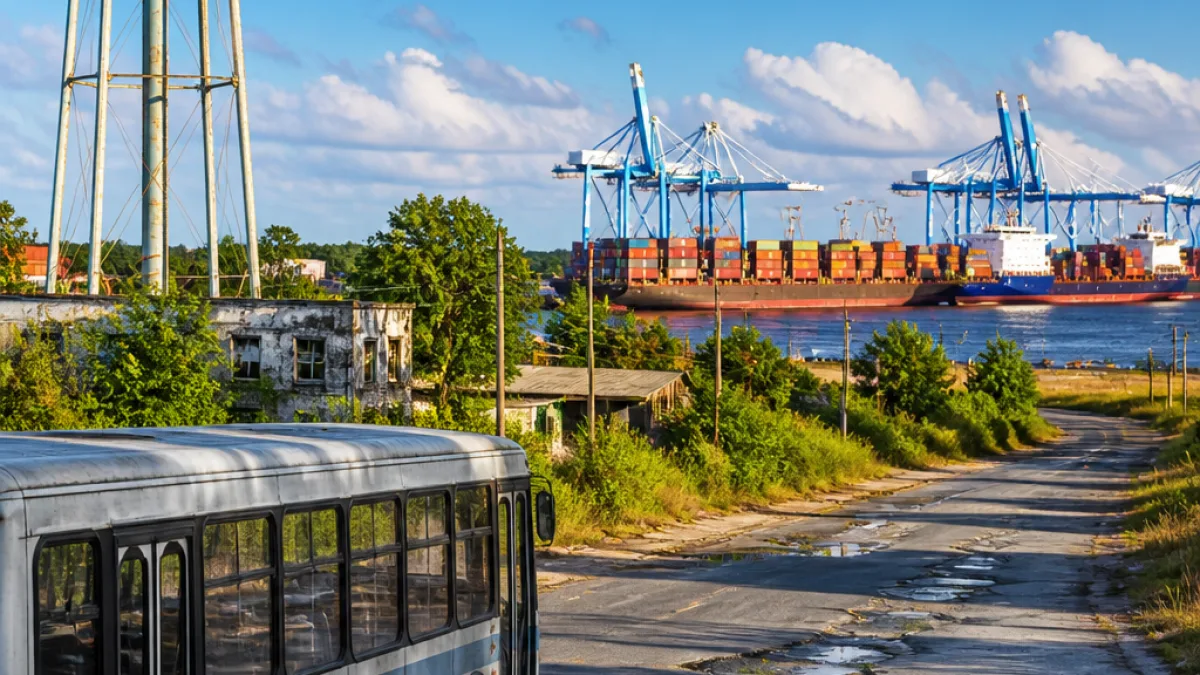
Ports—an economic engine for the state—stand in contrast to other categories, and their B-plus signals better planning and resources in that sector. But strengths in ports do not offset the risks posed by aging water infrastructure, unsafe roadways and limited transit options for many communities.
What the grades mean for policy
The report’s authors said the grades show the state is making progress but still falls short of the robust infrastructure necessary for long-term reliability. That assessment places pressure on state and local officials to prioritize capital spending, pursue federal funding opportunities and consider targeted reforms for infrastructure management.
Transportation and water-system officials will likely face increased scrutiny as the state negotiates budgets and seeks federal grants. The D-minus ratings for roads, dams and transit underscore needs for inspections, maintenance and upgrades that could be costly and time-consuming.
| Category | Grade |
|---|---|
| Ports | B-plus |
| Drinking water | D |
| Wastewater | D |
For communities across South Carolina, worsening or unreliable drinking water and wastewater systems can mean increased boil-water advisories, higher utility costs and greater vulnerability during storms. Road and bridge deficiencies pose safety risks and can disrupt business and commuting patterns.
ASCE’s report is likely to reignite conversations among state lawmakers, local governments and infrastructure stakeholders about how to allocate funds and whether to pursue bonding, public-private partnerships or federal infrastructure dollars to close the gaps identified.
While the C-minus indicates progress since 2021, the report serves as a reminder that incremental improvements will not be sufficient without sustained investment and planning tailored to the systems most in need.
Local officials and utility managers will now weigh the report’s findings against budget realities and competing priorities, as residents and businesses watch to see whether the “mediocre” grade prompts action that improves daily life across South Carolina.


















