
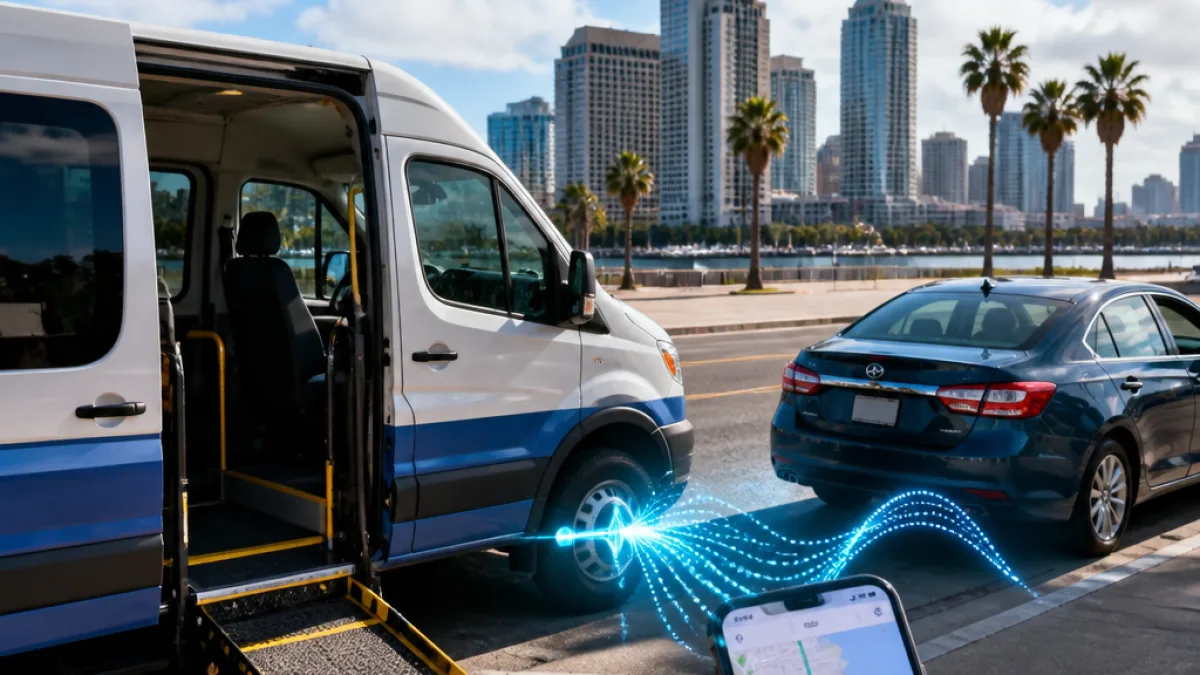
The Corpus Christi Regional Transportation Authority is reviewing a proposal that could change how local residents book and complete paratransit trips, using a direct contract for scheduling software and partnerships with ride-hailing companies to reduce wait times and improve reliability.
What CCRTA is proposing
Agency officials told the CCRTA board they are seeking a three-year contract to buy the Spare paratransit scheduling system directly, rather than continuing to access it through a third-party vendor. CCRTA's director of MIS and capital projects, David Chapa, said a direct contract would provide the authority with better access to its operational data and reduce costs.
The software is designed to manage on-demand paratransit trips — rides to medical appointments, shopping and other essential destinations for people who cannot use fixed-route buses. Under the plan, smaller CCRTA paratransit vehicles would remain the primary option. When agency vehicles are full or otherwise unavailable, the system could dispatch commercial services such as Uber or Lyft to complete trips.
"The Uber and the Lyft element is only to make sure that if it's full or all booked, then we use those types of services," David Chapa said.
Officials said another significant change would be an automated, AI-powered phone system intended to shorten the time riders spend waiting to schedule trips. Riders who need help would still be able to speak with a human operator, Chapa said, and customers would gain the ability to track their scheduled vehicle and see when it is approaching.
Local impacts and customer experience
For many Corpus Christi residents who depend on paratransit, the proposal promises several practical improvements:
- Faster scheduling: AI-assisted phone booking could reduce hold times for riders who call to arrange trips.
- Fewer unserved trips: Ride-hailing backup could cut the number of requests the authority cannot accommodate when agency vehicles are at capacity.
- Better trip visibility: Real-time tracking would let riders know when their vehicle is near, improving reliability and safety.
Board members are weighing the changes as part of a package of items on the agenda at an upcoming meeting. Chapa described the contract goal succinctly: improving efficiency and making the system quicker and easier for customers.
Questions for oversight and access
While CCRTA officials highlighted potential benefits, the proposals raise policy and oversight questions that the board will consider. Direct control of the software could mean greater transparency in performance metrics and cost savings compared with the current arrangement through a third party. But partnering with private ride-hail companies also prompts considerations about fare policy, accessibility standards for riders with disabilities, data privacy and how emergency or specialized medical trips would be handled.
The authority did not provide detailed cost figures in its public summary beyond the contract term. CCRTA said the plan aims to reduce operational inefficiencies and lower expenses over the proposed three-year period by having more direct access to scheduling and performance data.
| Item | Current | Proposed |
|---|---|---|
| Scheduling software access | Through third-party provider | Direct three-year contract for Spare |
| Backup options when CCRTA vehicles are full | Limited | Uber and Lyft could be used |
| Phone scheduling | Live operators | AI-powered phone system with human fallback |
The board will decide whether to advance the contract at its meeting, where members are expected to consider implementation details and any conditions to protect riders' access and data. If approved, officials say the technology could streamline operations and provide new options for passengers who rely on CCRTA's paratransit services.
For riders and advocates, the coming board discussion will be a chance to ask how the authority will maintain service standards while integrating private-sector partners and automated tools into a program that serves some of the region's most vulnerable transit users.

















