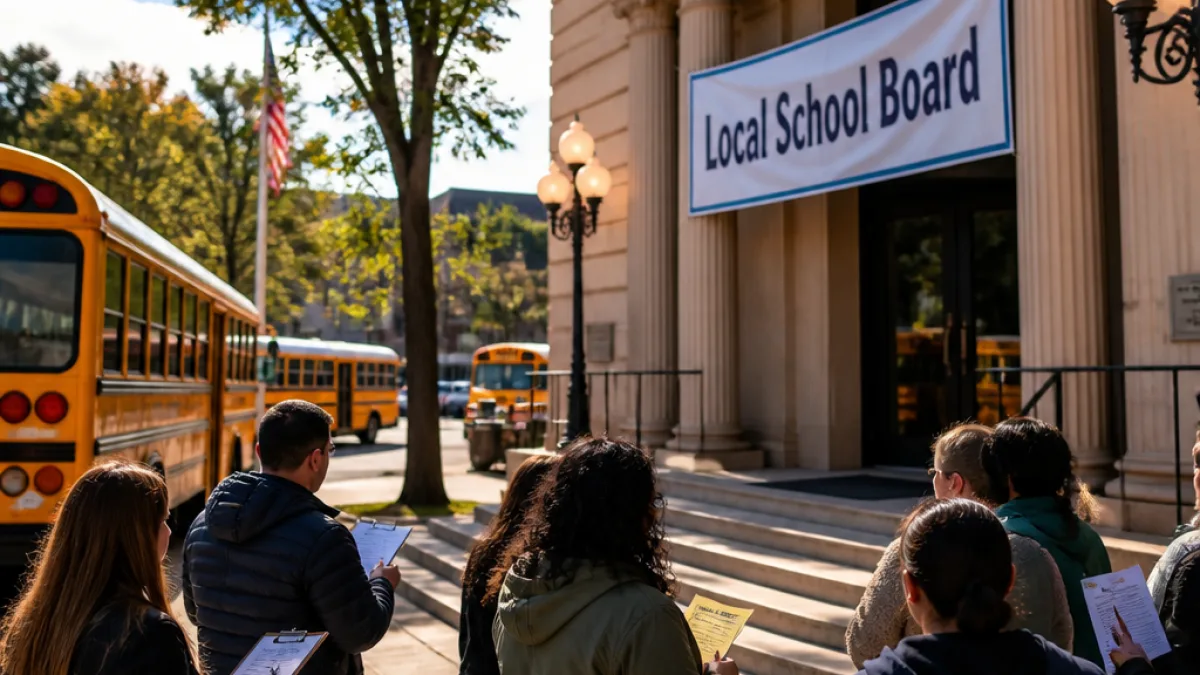
The city of Central Falls is preparing this month to resume local control of its public school district after more than three decades of state oversight, a transition city officials say is intended to restore community voice and improve outcomes in one of Rhode Island’s lowest-performing districts.
Local board returns amid calls for community engagement
Central Falls has been governed by state-appointed leadership for approximately 35 years. That arrangement ends as the city installs a newly created local school board to assume day-to-day governance responsibilities, though many funding and operational relationships with the state will remain.
Supporters of the change say local-appointed leaders will strengthen ties between families, educators and district decision-makers. Dorian Rave, chair of the incoming board, told Ocean State Media that community involvement was limited under state control and that the new board represents a chance to reshape how the district operates.
“I think the time is better than ever. I mean, we've been under state control for 35 years... So why not now? How are we going to change if we don't change?”
Rave said the district’s continued low rankings in state comparisons underscore the urgency of returning governance to local hands. The new board’s members were selected with connections to the Central Falls community, he added, a factor he expects will prompt more consistent engagement from families and local stakeholders.
Funding obligations to shift gradually
Although governance is reverting to the city, Central Falls will remain heavily dependent on state funding for school operations. A legislative commission recommended the city progressively raise its local contribution from $167,000 in the near term to $3.9 million by 2043.
| Year | Local contribution |
|---|---|
| Current (initial) | $167,000 |
| Projected (2043) | $3.9 million |
Details about intermediate steps and annual increases were included in the commission’s recommendations; the timetable aims to allow the city to phase in higher local spending while preserving program continuity for students. City leaders have acknowledged that the district will still need substantial state financing for the foreseeable future.
What change means for families and staff
Administrators and educators face operational questions during the transition, including how local control will affect curriculum choices, staffing decisions and community outreach. Parents and advocacy groups have long argued that closer local oversight could foster better communication and more tailored supports for students.
Supporters say a locally responsive board can respond more quickly to neighborhood priorities and build trust among families who have felt disconnected from decision-makers during decades of external oversight. Critics, meanwhile, warn that returning governance without sufficient local resources could limit the district’s ability to improve outcomes.
- Timeline: The school year in Central Falls is scheduled to begin on Aug. 26, as the board and city finalize transition plans.
- Governance: A locally appointed board will assume control previously exercised by state officials.
- Finances: The city’s local contribution is set to increase from $167,000 to $3.9 million by 2043, per the legislative commission’s recommendation.
As Central Falls moves toward this new chapter, stakeholders across the city say they plan to monitor how quickly and effectively the local board can translate governance into measurable gains for students. The success of the transition may depend not only on new leadership but also on how the city balances increased local responsibility with continued state support.
State and city officials will continue to coordinate the handoff in the coming weeks. For families and educators in Central Falls, the change offers both renewed hope for local empowerment and a reminder of the financial and organizational challenges that accompany a long-awaited return to local control.