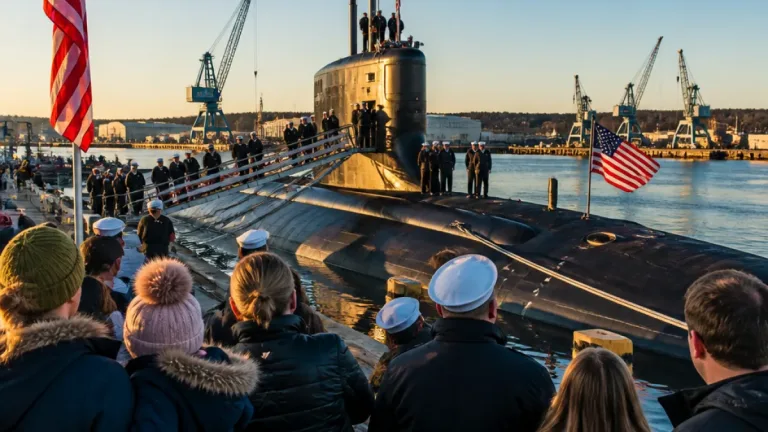
Victory Day — celebrated each year on the second Monday in August — is a holiday that only Rhode Island continues to observe statewide. Its origins lie in the closing days of World War II and its persistence reflects a mix of historical memory, veteran influence and community debate.
How the holiday began
Following Japan’s surrender that effectively ended World War II in 1945, Rhode Island’s legislature moved to codify an annual observance. The statute establishing the holiday came in the immediate postwar period: the legislature declared Victory Day an annual holiday three years after the war’s end, placing the state among those marking the Allied victory in the Pacific.
Why Rhode Island kept the holiday while others dropped it
By the mid-1970s, every other state had discontinued its official observance of the occasion that commemorated the Japanese surrender. Concerns included apprehension that celebrating the anniversary could offend Japan, which by then had become an important American ally. Rhode Island, however, maintained Victory Day on its calendar. Support for keeping the holiday has come largely from veterans and their supporters, many of whom argue the day honors the service and sacrifice of Rhode Islanders who fought in the Pacific theater.
At the same time, the state faced pressure from Japan-linked businesses that threatened boycotts over the continued observance. Despite those threats and changing international relationships, efforts to rename or eliminate the holiday were repeatedly rebuffed.
What critics say
Opponents of Victory Day have argued the holiday singles out Japanese people and effectively celebrates the use of atomic weapons on Hiroshima and Nagasaki, events that precipitated Japan’s surrender. That critique has become part of the conversation in recent years as communities nationwide reassess public symbols tied to painful histories.
“It has often been called V-J Day, but that was never the holiday’s legal name.”
What supporters argue
Backers of keeping Victory Day emphasize the context of World War II: the United States entered the war following the attack on Pearl Harbor, and many Rhode Islanders served and died in the conflict. For veterans and some community members, the day honors their service, loss and the broader Allied victory rather than celebrating the particular means by which the war ended.
How the holiday is observed
Victory Day remains a state holiday in Rhode Island, observed on the second Monday of August. Traditions and formal observances vary across the state and include veteran-led ceremonies, wreath-layings and moments of remembrance. Because the holiday is unique to Rhode Island, it draws attention from historians, civic groups and media whenever it occurs.
- Date: Second Monday in August (annual)
- Origins: Declared an annual holiday three years after World War II ended
- Controversy: Critics say it singles out the Japanese and celebrates the use of atomic bombs; supporters say it honors veterans and the state’s wartime sacrifices
| Year | Event |
|---|---|
| 1945 | End of World War II; Japan surrenders |
| 1948 (three years after) | Rhode Island legislature declares Victory Day an annual holiday |
| By 1975 | No other state continued official observance |
The persistence of Victory Day on Rhode Island’s calendar underscores how collective memory and public commemoration can diverge across states. Where some jurisdictions opted to retire or rename such observances as geopolitical ties shifted, Rhode Island’s political and civic dynamics preserved the holiday.
Local impact and the conversation ahead
For many Rhode Islanders, Victory Day is a time to remember relatives and neighbors who served in World War II. For others, it is a reminder that public holidays can carry contested meanings. The recurring debate captures broader national questions about how to balance honoring veterans with sensitivity to historical trauma endured by other peoples.
As generations change and the number of World War II veterans dwindles, discussions over the holiday’s future may continue. Proposals to rename or replace observances often hinge on local sentiment, political leadership and the voices of veterans’ organizations — forces that have, to date, kept Victory Day on the books in Rhode Island.
Whatever the outcome of future debates, Victory Day remains a distinctive feature of Rhode Island’s civic calendar: a legal holiday rooted in the aftermath of global conflict and a subject of ongoing conversation about history, memory and respect.