
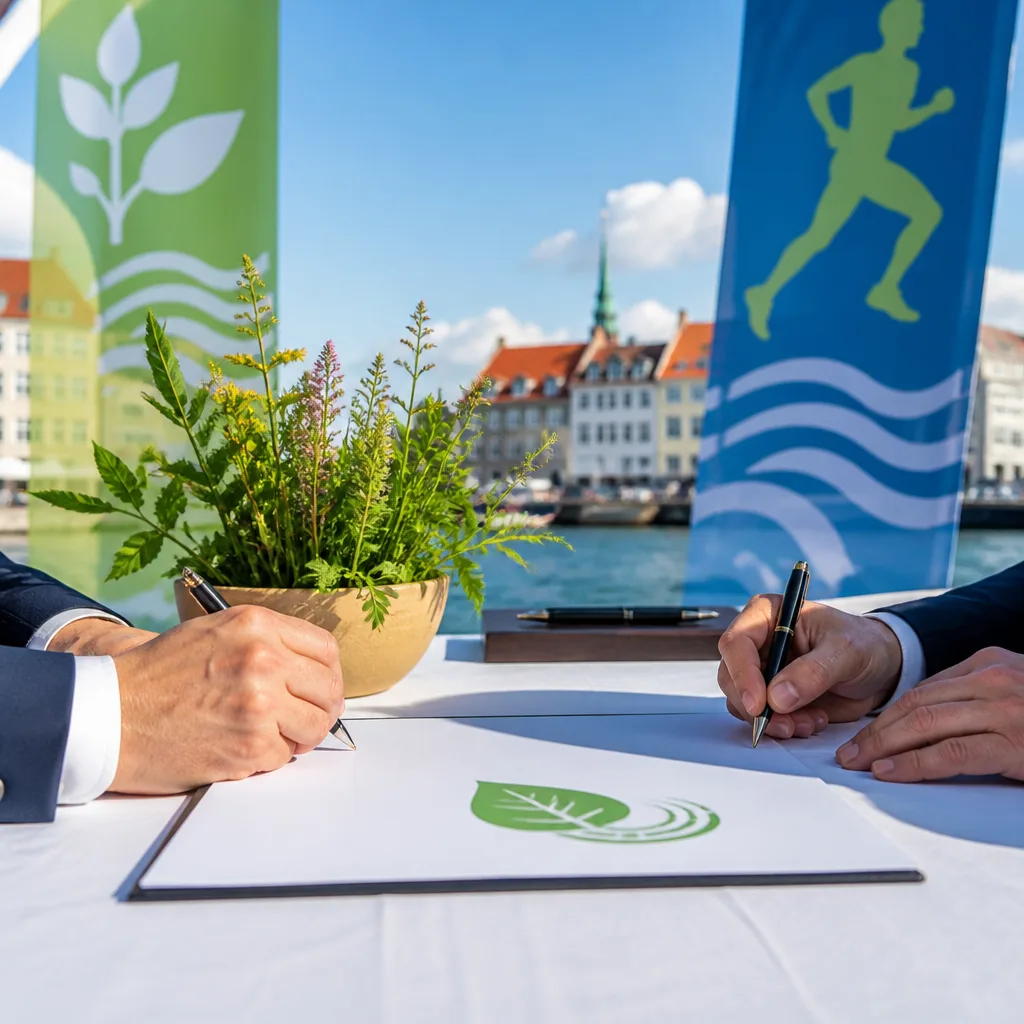
World Athletics has formally joined the Sports for Nature Framework, a global initiative seeking to mobilise sport to protect and restore biodiversity and to halt nature loss. The move was announced at a signing ceremony in Copenhagen on the eve of the World Athletics Road Running Championships Copenhagen 26.
Four principles to guide action
The framework, launched in 2022, sets out four core principles intended to shape how sports organisations consider nature in planning and delivery. World Athletics said the principles will inform how it and affiliated bodies act to reduce environmental harm associated with events, training and supply chains.
- Protect — avoid damage to natural habitats and species.
- Restore — regenerate nature where possible.
- Reduce — understand and lower nature-related risks in supply chains.
- Educate — inspire and inform positive action across and beyond sport.
A compact table of the four principles appears below for clarity.
| Principle | Intended outcome |
|---|---|
| Protect | Avoid damage to habitats and species |
| Restore | Regenerate nature where possible |
| Reduce | Lower nature risks in supply chains |
| Educate | Inspire action within and beyond sport |
Leadership voices: why sport must engage
World Athletics President Sebastian Coe spoke at the ceremony, framing the commitment in practical and existential terms for the sport. He emphasised that athletics — like all outdoor sport — depends on functioning ecosystems, clean air and water for athletes to train and compete. The governing body also released a short film that included contributions from athletes engaged in sustainability advocacy.
"Doing what we can to protect nature helps to protect the long-term future of our sport. Our sport, all sport, depends on healthy ecosystems, clear air and clean water."
The agreement was signed alongside national federations, including Athletics Kenya. Its president, Jackson Tuwei, told the ceremony that environmental change is already materially affecting athletics in Kenya and across Africa and that his federation saw the framework as a route to preserve natural resources for athletes and communities.
Implications and next steps
By joining the framework, World Athletics becomes part of a coalition that the organisation says now exceeds 150 federations, leagues and clubs. The signatory list indicates a growing consensus within sport that biodiversity and nature loss are material issues requiring co-ordinated action.
Immediate consequences are likely to include:
- Review of event hosting guidance to minimise habitat damage and pollution.
- Assessment of supply chains for nature-related risks and opportunities for mitigation.
- Greater use of athlete platforms to raise awareness about environmental stewardship.
How far these commitments translate into measurable reductions in environmental impact will depend on the specific policies and targets World Athletics and its members set, and how progress is monitored and reported. Sports organisations that sign such frameworks often face practical challenges: balancing commercial and operational demands with conservation goals, and ensuring consistent action across different countries and contexts.
Nevertheless, the move signals a shift in the governance of global sport: biodiversity is being treated not only as an ethical concern but as a component of long-term strategic planning for athletics and other outdoor disciplines. Given the global reach of athletics and the visibility of its events and athletes, the adoption of the framework may also exert influence on host cities and national federations to align procurement, venue selection and legacy planning with nature-positive outcomes.
World Athletics indicated it will work with member federations and partners to turn the framework’s principles into practical steps, while using athlete voices to promote broader engagement. The effectiveness of that approach will be watched closely by environmental groups and by national federations that are already managing the impacts of climate change and habitat loss on training environments and competition calendars.









