
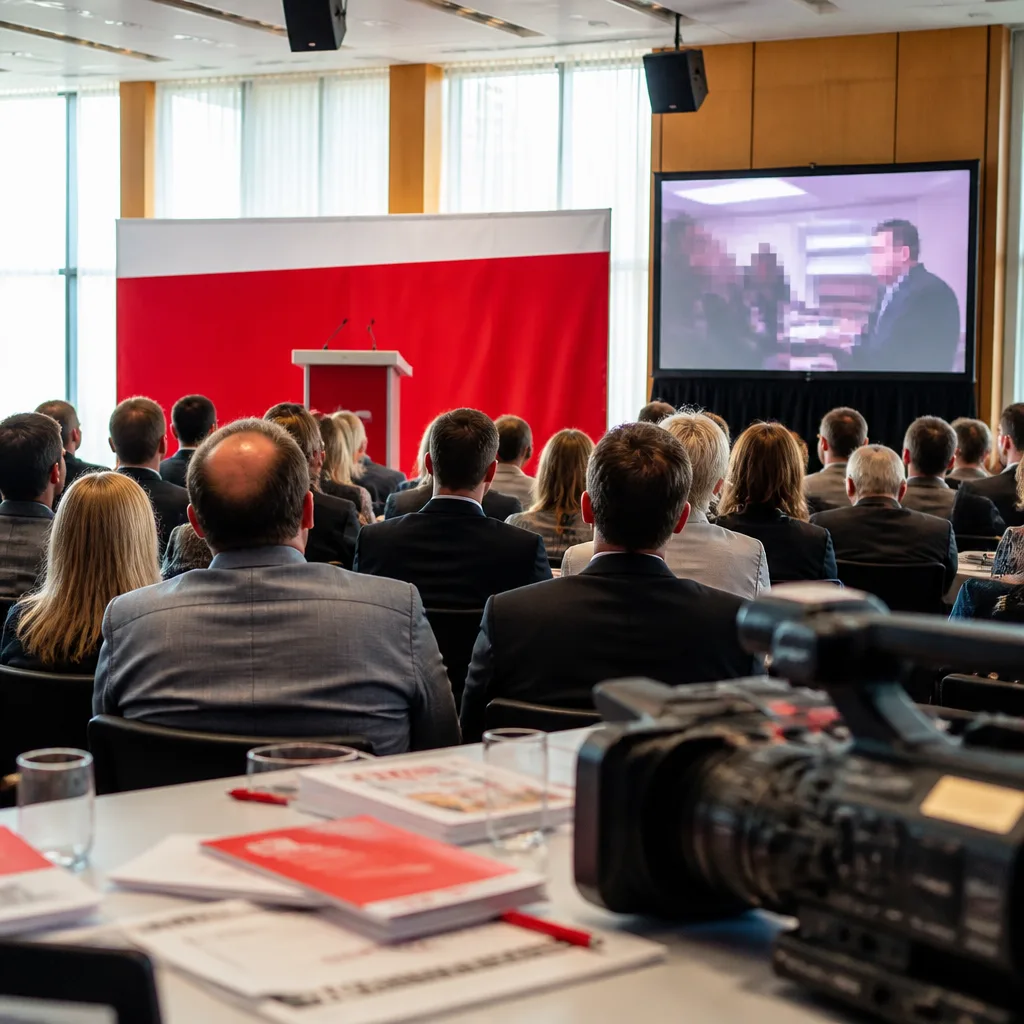
Prime Minister Andy Burnham has been afforded a political reprieve after an undercover television report put Reform UK leader Nigel Farage on the defensive. Footage shown on a British network appeared to capture senior figures in Farage’s campaign discussing methods to funnel overseas money that could skirt UK campaign finance rules, prompting swift recriminations and personnel changes within the party.
Immediate fallout for Reform
Within hours of the broadcast, Reform announced the departure of two senior aides implicated in the material. One of those named was Dan Jukes, described in reporting as an aide close to the party leader. The exits came as Farage arrived at his party conference, an occasion normally used to project unity and strength.
The timing of the report — and the speed of the reaction — underlined how quickly a single broadcast can reshape a political narrative. Instead of facing questions over his own agenda and the direction of government, the prime minister has seen national attention pivot to allegations about Reform’s fundraising and internal culture.
Leader’s response and message
Addressing delegates, Farage rejected suggestions that he had acted improperly. He also chastised the behaviour of staff, describing their conduct as the kind of loose conversation that should not have taken place in public.
“loose pub talk” and behaviour that was “injudicious at best.”
Reform’s prompt personnel moves were intended to contain the damage. Party insiders told reporters the separation of the aides signalled an effort to draw a clear line between the leader and the officials implicated by the recording.
Political context and consequences
The episode arrives at a sensitive moment for the opposition. Reform has sought to position itself as a potent counterweight to Labour and the prime minister. Instead, the party is now grappling with questions about compliance with electoral finance rules and the management of internal campaigns.
For the government, the scandal is a tactical advantage. It reduces the immediate level of scrutiny directed at the prime minister from media and opponents and shifts headlines to the opposition’s troubles. How long that advantage lasts will depend on the findings of any formal inquiries and whether further evidence emerges.
- Key immediate effects: two senior aides have left, conference tone shifted, and questions raised about fundraising practices.
- Political impact: the story has weakened Reform’s messaging and offered the prime minister respite from scrutiny.
- Potential follow-up: regulatory or legal scrutiny could follow if authorities deem the broadcast to show attempts to circumvent finance laws.
What is known and what remains uncertain
The publicly available report consists of broadcast footage aired by a British television outlet and reporting by national press agencies. The recording shows discussions between party personnel and an undercover journalist about ways to obtain foreign funding while avoiding legal limits. Farage has denied wrongdoing and has blamed the conduct on injudicious remarks by staff.
At this stage, there has been no formal assertion by a regulator that laws were broken. Details of any subsequent investigation, including whether electoral authorities or law enforcement agencies will open inquiries, have not been reported. The public record is therefore limited to the material broadcast and the reaction from Reform and its leader.
| Element | Reported status |
|---|---|
| Broadcast source | British television network (undercover footage) |
| Senior aide named | Dan Jukes (departed) |
| Leader’s response | Denied wrongdoing; blamed aides’ remarks |
How the matter develops will depend on a number of factors: whether further corroborating material emerges, the outcome of any regulatory review, and how Reform rebuilds confidence among supporters and potential voters. For the prime minister, the episode is a temporary reprieve; politics rarely remains static, and attention may return to government priorities once this story settles or expands.
For now, the conference that was to mark Reform’s organisational muscle has become a moment of damage limitation. The immediate capitulation — senior aides leaving their roles — suggests the party seeks to limit reputational harm. But the broader implications for funding transparency and party governance are only beginning to be aired.












