
Grocery spending at Britain’s main supermarkets expanded by 3.1% in the four weeks to 8 August compared with a year earlier, according to data from market analyst NielsenIQ, signalling a slowdown from the recent post-World Cup surge.
Growth eases but remains positive
The figure represents a cooling from the 4.4% growth recorded in the previous four-week period, with the peak weekly rate during the summer reaching 3.6% in the week ending 18 July. NielsenIQ said the tapering reflected the end of the football tournament combined with the start of the school holidays, as shoppers resumed travel and leisure plans.
Across supermarkets and convenience stores combined, sales rose by 3.3%. Promotional activity continued to play a major role, accounting for roughly a quarter of all fast-moving consumer goods purchases in the period measured.
Categories shaped by the weather
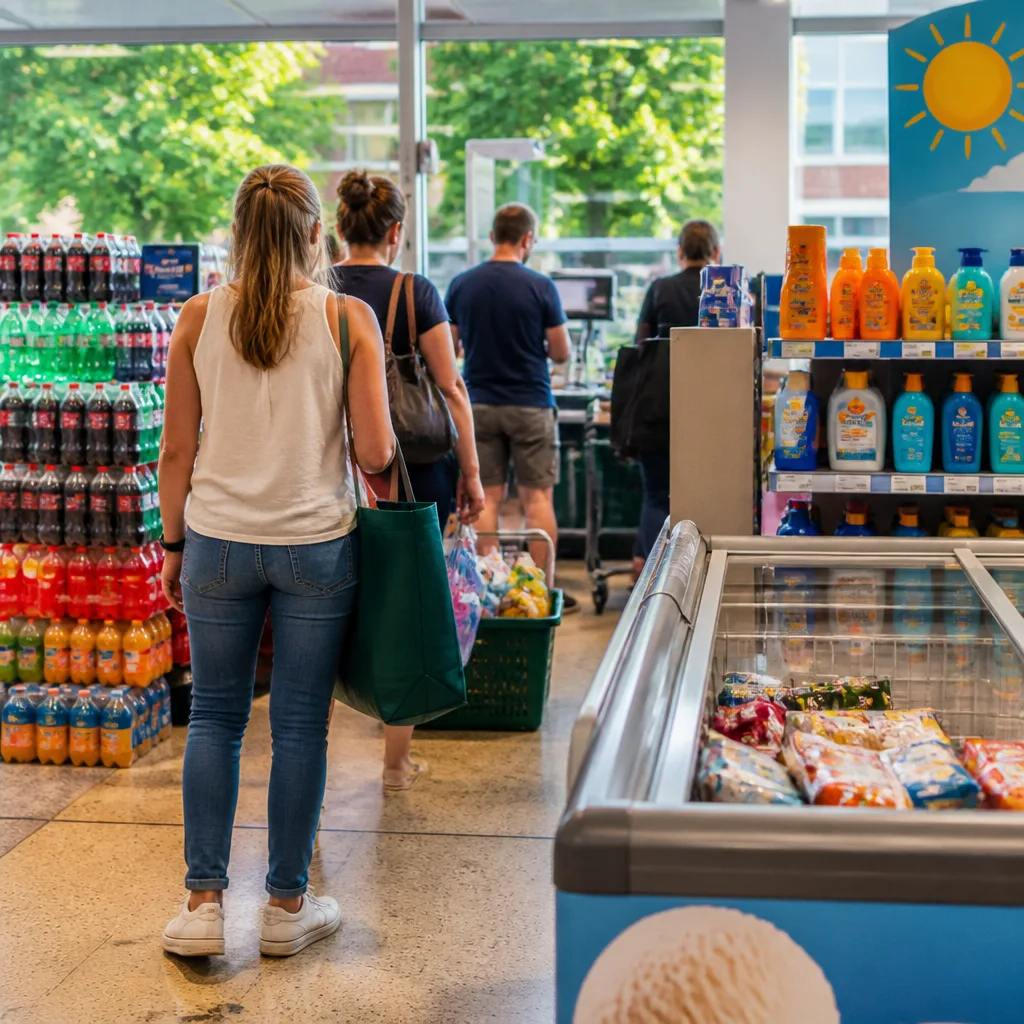
Warm weather supported spending in seasonal categories. Soft drinks led in value terms, with shoppers spending about £1.18bn over the four weeks. Within that category:
- Mineral water value climbed by 26%.
- Flavoured non-carbonates rose by 22%.
- Ambient fruit juice grew by 19%.
Other notable areas of spending included £268m on ice cream and £68m on suncare products, underscoring the influence of sustained hot conditions on household purchases.
Online and convenience channels perform strongly
Online grocery shopping continued to expand, with sales reaching £2.1bn, up 10% in value and 5% in units. Convenience stores also recorded healthy growth, up 3.6%, marking their best showing in over a year as shoppers sought quick, local purchases during summer activities.
| Retailer | 12-week sales change (%) |
|---|---|
| Ocado | +17.3% |
| Marks & Spencer | +12.9% |
| Lidl | +8.2% |
| Co-op | +7.0% |
| Sainsbury's | +3.6% |
| Tesco | +3.2% |
| Morrisons | +3.1% |
| Asda | -1.5% |
What analysts say
“Growth has inevitably slowed following the peaks created by the FIFA World Cup, while the start of the summer holidays has given many shoppers a reason to delay some non-essential spending,”
NielsenIQ’s head of retailer and business insight highlighted that lower inflation relative to last year is also tempering topline increases, even as consumers continue to buy “affordable indulgences” when weather provides an immediate excuse to treat themselves.
Underlying patterns show shoppers making slightly fewer trips overall but spending about the same per visit—average spend per trip remained near £19.61. Unit sales rose by 1% and shopping trips were up 2% year on year, suggesting that while volumes are modestly higher, value gains are constrained by price movements and promotional strategies.
Implications for retailers and the wider economy
The data offers a mixed picture for grocers and economic forecasters. On one hand, continued growth—supported by online and convenience channels—indicates resilient consumer demand through the summer. On the other, the fading World Cup effect and the pull of holiday activity point to volatility in short-term sales trends.
For investors and policymakers, the figures will be read alongside inflation and wage data to assess the sustainability of household spending. Retailers that can convert promotional activity into repeat custom may fare better as discretionary budgets are tested by rising costs in other areas of household expenditure.
The NielsenIQ snapshot makes clear that seasonal and event-driven factors remain powerful drivers of grocery behaviour, but they no longer guarantee long-term acceleration without broader improvements in consumer purchasing power.









