
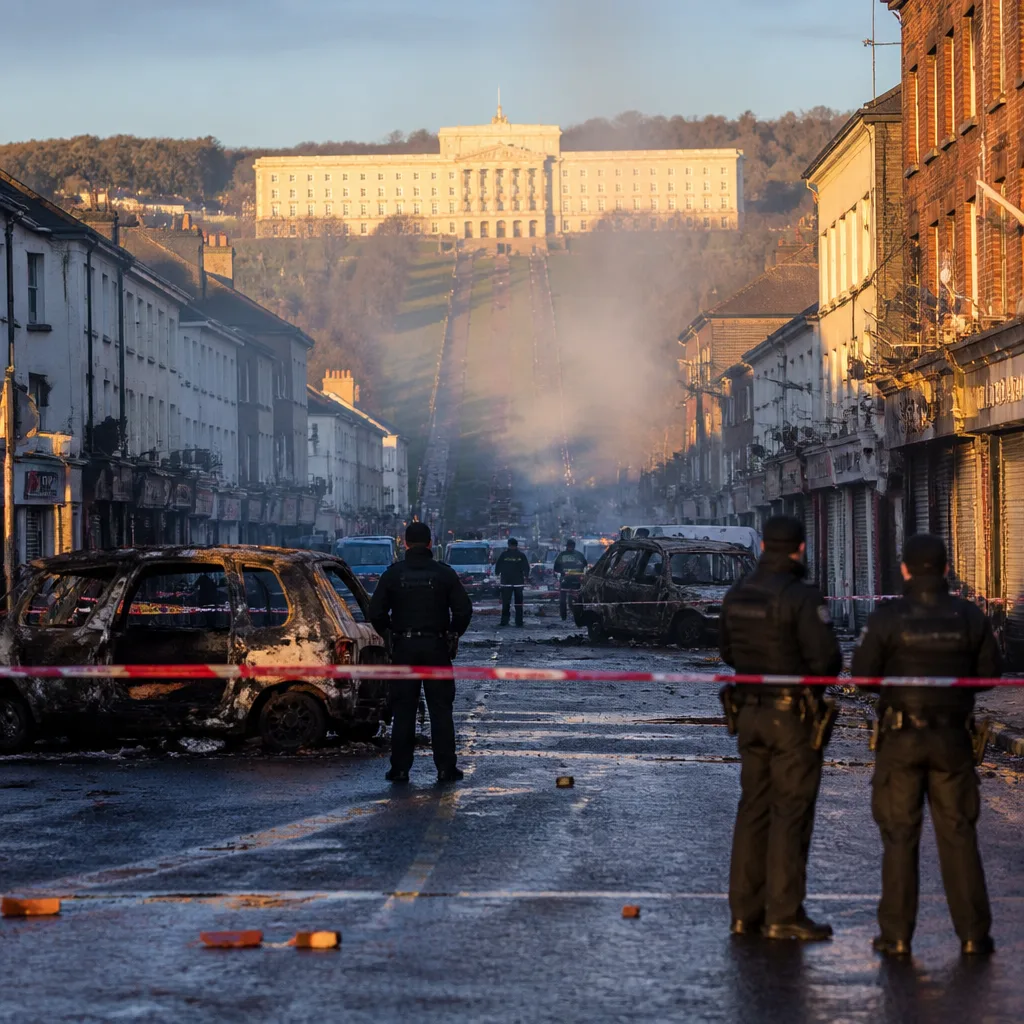
Renewed unrest around the Drumcree area has brought a fresh focus on policing, devolved government and community relations in Northern Ireland. Photographs and television pictures have shown the aftermath of confrontation, but officials say the damage runs deeper than the visible signs on streets and vehicles.
Visible damage and words that cut
Scenes from Portadown included burned-out cars, debris on roads and the physical injuries that follow clashes between marchers and those who oppose them. Journalists who have worked across the area for many years say the images are not the only evidence of a fracturing situation.
Police sources warned that the recent decisions have stirred latent unrest and that the rhetoric being used by some participants is intensifying tensions. One senior police contact summed up the situation in blunt terms:
"S*** show."
The phrase has circulated among officers and political staff as they assess the implications for public order and for the institutions tasked with managing contested public space.
What is at risk
Officials and analysts identify three intertwined areas under strain:
- Policing — the new policing arrangements, approaching their 25th anniversary, are under scrutiny for how they handle parades and protests.
- Stormont — devolved politics, already described as fractured and fraught, face renewed stress from events on the ground.
- Community relations — long-standing tensions between communities risk being inflamed by both the acts of confrontation and the language used in public debate.
Those three areas are not independent. How the police respond will influence political dynamics at Stormont, and both will affect the prospects for community-level reconciliation.
History and context
Observers note that contested parading has a long history in the area and has repeatedly produced flashpoints where public order is threatened. The current incidents have evoked memories of past confrontations, and the emotional weight of that history informs reactions on all sides.
Policing in Northern Ireland has been reformed since the turn of the century, but the reference to the policing project nearing its 25th year underlines how institutional arrangements remain central to managing disputes. Political leaders in the Executive and the Assembly, when functioning, are expected to provide oversight and political solutions. The recent strain on Stormont complicates this task.
Immediate consequences and next steps
Sources say operational planning by police is being reviewed to anticipate future parades and counter-protests. Political figures are being briefed on the on‑the‑ground situation and the risks of escalation.
There is a consensus among those involved in security and community work that rhetoric matters. The choice of language, and the publicity surrounding particular incidents, can harden attitudes and limit the space for mediation. Restoring calm, they argue, will require careful operational decisions and renewed political engagement.
| Area | Immediate concern |
|---|---|
| Policing | Operational readiness for further disorder; public confidence in decision-making |
| Stormont | Ability of devolved institutions to respond politically while divided |
| Community relations | Risk of entrenched division and retaliation at local level |
Community leaders and intermediaries traditionally play a role in defusing tensions. With memories of previous clashes still present, their involvement will be important if mediation is to succeed. At present, however, sources say both the language in public debate and recent operational choices have rekindled old grievances.
How the police, politicians and community actors respond in the coming days will determine whether the immediate disorder is contained or whether it becomes the catalyst for a more sustained and damaging cycle of confrontation.












