
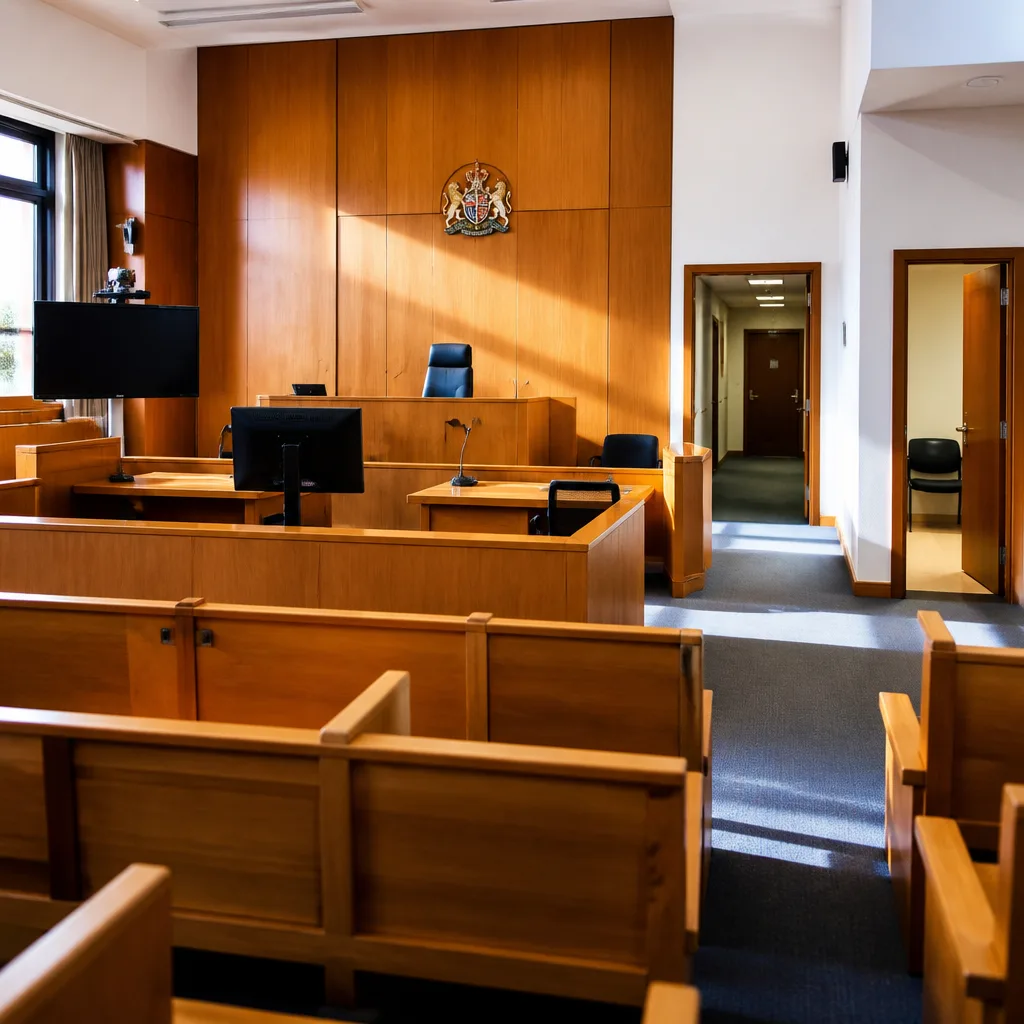
The prime minister has ordered that every Crown Court in England and Wales will have at least one courtroom set up to hear rape and other sexual offence trials, with the rollout to take place over the next two years.
Designated courtrooms and improved protections for complainants
The move is intended to make court proceedings more appropriate for victims and survivors by providing dedicated facilities and measures to minimise distress. Under the plans, alleged victims will be able to view proceedings remotely and give evidence by video link from a separate room. Where building layouts allow, complainants will also be offered private entrances and waiting areas to avoid being routed through the same public spaces as defendants.
- Every Crown Court to have at least one specialist courtroom for sexual offences.
- Remote viewing and separate rooms for giving evidence via video link.
- Private entrances and waiting rooms for victims where possible.
Rape Crisis England and Wales, a longstanding advocate for such changes, described the announcement as "a significant step forward" that assembles several reforms it has been seeking for years.
"Taken together, they reflect the urgency of ensuring that courts are fit for purpose and properly meet the needs of victims and survivors, which is crucial to securing justice," Ciara Bergman, chief executive of Rape Crisis England and Wales, said.
Backlog, prosecutions and reporting rates
Ministers framed the measures as part of a broader effort to tackle delays in the Crown Court system. At the end of March, the backlog of Crown Court cases stood at 80,098. Of those, campaigners say 15,373 cases — roughly 19% of the backlog — related to sexual offences.
The scale of the challenge is underscored by low prosecution rates. In the year ending March 2024, just 2.8% of recorded rape offences resulted in prosecution. Charities argue such statistics and protracted court waits discourage victims from reporting or pursuing criminal charges.
Data from an Office for National Statistics study covering 2017–2020 found that only around one in six victims of rape or attempted rape reported the assault to police. More than a third of those who did not report their assault said it was because they believed the police could not help or that the process would be humiliating.
Government says courts reform is necessary but not sufficient
Victims minister Alex Davies-Jones warned that specialist courtrooms alone would not solve the systemic problems. She emphasised the need for the Courts and Tribunals Bill to improve the "timeliness, effectiveness and also prevention" of cases, signalling that the physical changes must be paired with legislative and procedural reform to reduce delays.
Opposition politicians and some campaign groups have also urged that introducing specialist facilities should not be accompanied by measures that would reduce the number of jury trials — a separate and contentious provision contained within the Courts and Tribunals Bill.
| Measure | Figure |
|---|---|
| Crown Court backlog (end of March) | 80,098 |
| Backlog cases that are sexual offences | 15,373 (about 19%) |
| Proportion of recorded rape offences leading to prosecution (year to March 2024) | 2.8% |
Campaigners welcomed the announcement but said implementation details will be critical. Factors such as court architecture, resourcing, staff training and the availability of secure video facilities will determine whether the intended benefits reach victims in practice.
Ministers have framed the changes as one strand of reform to make the justice system more accessible and responsive to victims of sexual offences. But charities stress that while specialist courtrooms could reduce trauma during trials, they must be part of a sustained programme to tackle investigative delays, improve conviction rates and restore public confidence in reporting.















