Local communities question capacity as 'grey belt' assessment flags new sites
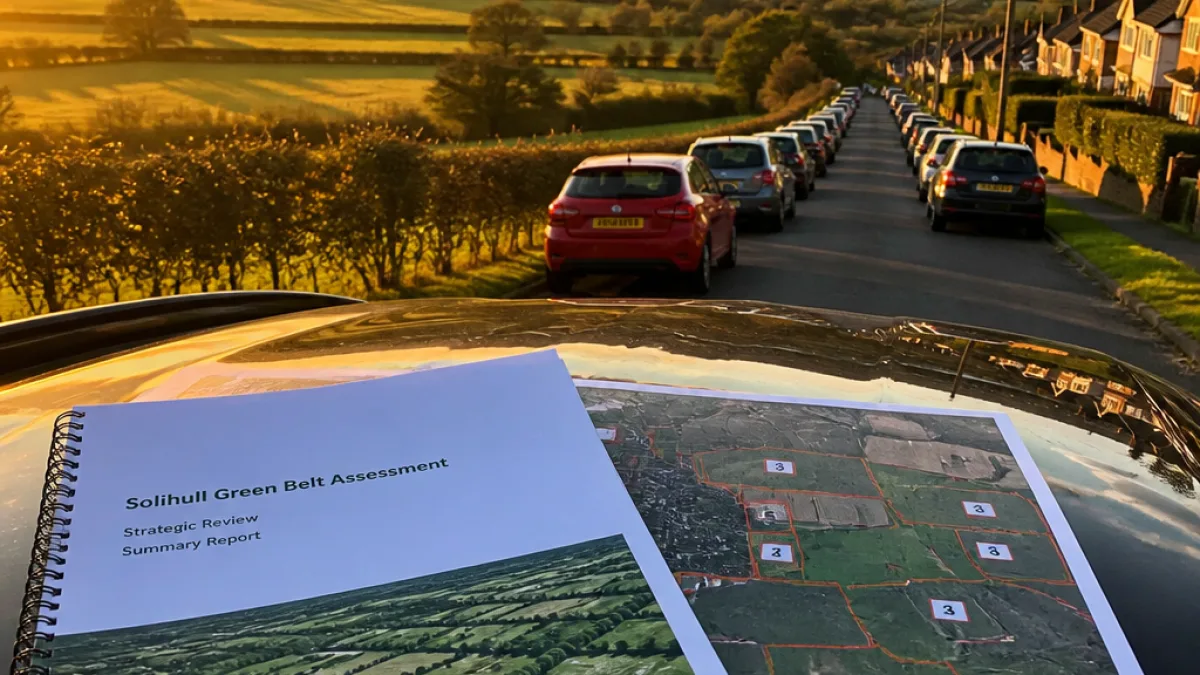
Residents around Balsall Common and other parts of Solihull have told visiting reporters they expect further housebuilding after a recently updated green belt assessment listed 72 potential 'grey belt' sites — lower-quality strips of protected land that could be considered for development.
Solihull Council has been clear the list does not mean every site will be taken forward into planning, but for neighbours close to some of the parcels identified the publication has done little to temper anxieties about the pace and scale of change.
- 72 potential sites identified in the updated assessment.
- Recent permission for 250 homes off Waste Lane is cited by locals as evidence development is already proceeding.
- Residents warn of strain on local services, parking and the loss of green corridors.
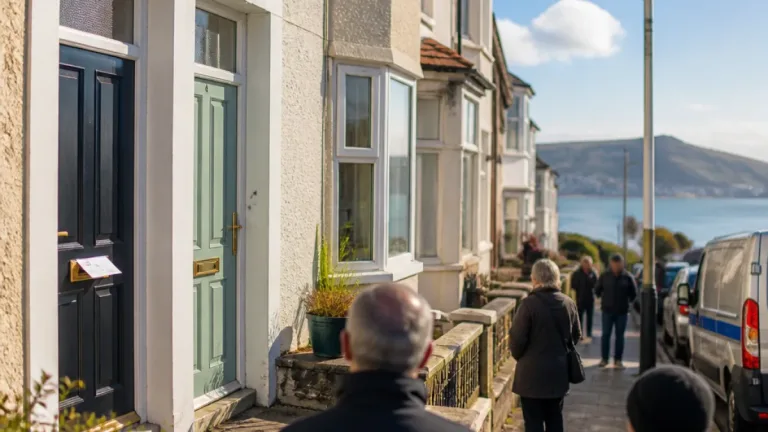
On Meeting House Lane, which borders the new HS2 line and one of the sites mentioned in the assessment, a retired resident said the village lacks the infrastructure to absorb more homes and described the cumulative impact of projects as a serious concern. "We don't have the infrastructure at the moment for all these homes," they said.
"The frustration has been Balsall Common has already been beleaguered with HS2, so once you have upset a community you might as well carry on."
Other long-standing residents told reporters that the character of the village has already shifted dramatically from what it was decades ago. One resident who has lived on Meeting House Lane for 50 years said the area used to be "open fields and a small village" and that the development pressure has steadily eroded that setting.
A neighbour in Beverley Close expressed anger at what she called relentless housebuilding in the village and suggested that when all potential sites are completed the total could exceed 1,000 homes. "At the moment you can't even get a parking spot, years ago you could park anywhere in the village," she said.
Council caution but clear challenges for services and green space
Solihull Council has emphasised that being listed in the assessment simply identifies land that is potentially lower value within the green belt and that inclusion does not equate to a planning approval. The council's careful wording reflects the statutory protection attached to green belt land and the need for any review to follow national planning policy.
However, for residents the issue is not only whether individual plots will be developed but the cumulative effect of multiple permissions and emerging sites on local infrastructure — schools, medical services, roads and parking — and on the village's sense of identity.
| Item | Figure |
|---|---|
| Potential 'grey belt' sites listed | 72 |
| Homes approved recently off Waste Lane | 250 |
| Resident estimate of total homes across sites | "over 1,000" (resident view) |
Local campaigners and parish councils in and around Solihull have in recent years pressed for clarity when reviews of green belt are undertaken, arguing that any appraisal must weigh the loss of amenity and landscape value against housing need and the availability of infrastructure to support growth.
Some residents accept that additional housing is necessary but say they want development to be directed to locations where services can cope and where green corridors are preserved. "I do think trying to keep a green corridor is important," one local said.
What happens next?
The green belt assessment is an early-stage evidence document. It is intended to inform local plan work and potential future reviews rather than act as a scheme-by-scheme permission. Any move to remove land from the green belt or to approve major housing development would require more detailed planning applications, public consultation and, in many cases, assessments of infrastructure impact.
For communities in Solihull the immediate practical questions remain: which of the 72 parcels will be pursued, how the council and developers will ensure services are expanded to match new homes, and how the loss of green space can be minimised or mitigated. In the short term, residents say they expect continued pressure and are preparing to engage in upcoming consultations.
This developing story touches on wider debates about housing supply, green-belt protection and the legacy of major infrastructure projects such as HS2 — all issues that will shape parts of Solihull for years to come.