
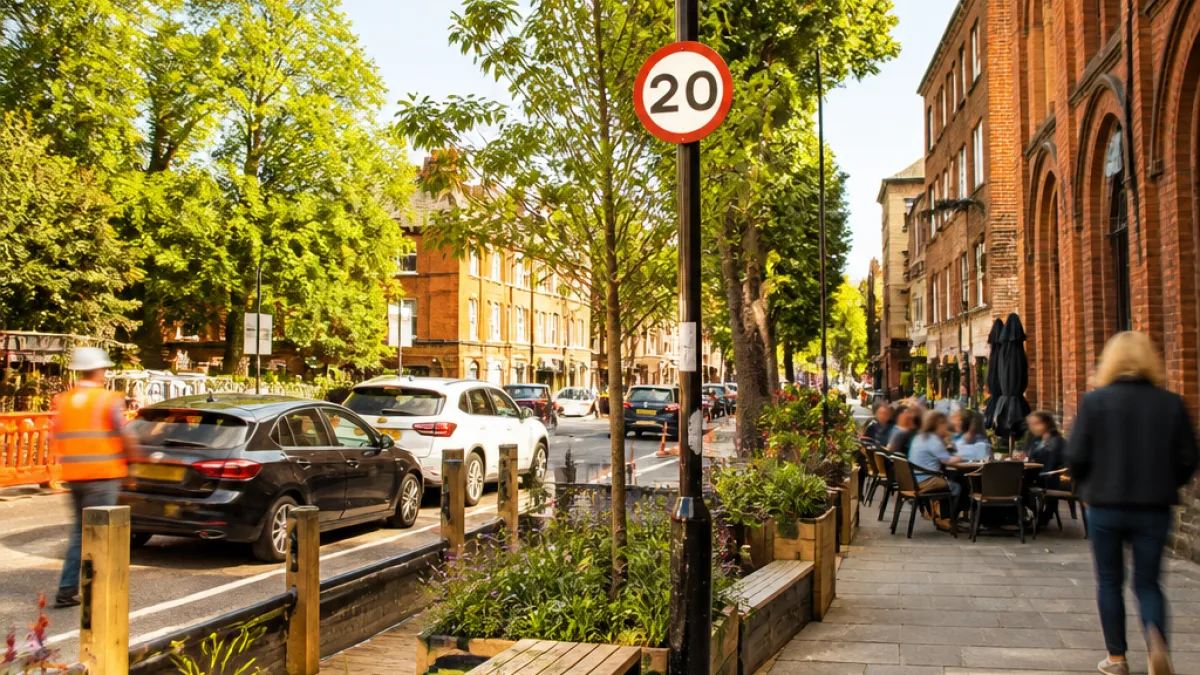
Major changes on Abbey Foregate aim to make historic street greener and safer
Work begins this week to transform a prominent and historic approach into Shrewsbury town centre, with two semi-permanent parklets, additional seating and a reduced speed limit among measures planned for Abbey Foregate.
The scheme is part of the wider Shrewsbury Moves initiative to improve key gateways into the town centre and follows a consultation in which about 400 residents and business owners shared their views. Shropshire Council and partner organisations say the feedback showed strong public support for more seating and greenery.
"Abbey Foregate is one of the most historically significant streets in Shrewsbury, and it deserves better than to be a place people just pass through," said Emma Molyneux, who is leading the project at Shrewsbury BID.
Molyneux added that the consultation made clear seating and greenery were priorities and welcomed the first tranche of changes arriving on the street.
What is being delivered
The immediate works include:
- installation of two parklets with public seating and planters in an unused taxi rank on Abbey Foregate;
- a reduction of the speed limit to 20 mph along Abbey Foregate and neighbouring streets — Horsefair, Railway Lane, Railway Terrace and Portobello;
- creation of additional parking spaces; and
- further seating outside The Crown pub, with installation expected next spring.
Shropshire Council said the parklets will have fencing on the carriageway side and will be painted to reflect the local character of the Abbey area. The work aims to turn a thoroughfare into a place where people linger rather than simply pass through.
Funding and partnership
The improvements are financed through the UK Shared Prosperity Fund, the government grant given to local authorities to support community pride and neighbourhood infrastructure projects. Management of the programme in Shrewsbury is being carried out by the Shrewsbury Big Town Plan, a partnership between Shrewsbury BID, Shropshire Council and Shrewsbury Town Council.
Work is already underway on a separate element of the scheme to create a new pocket park from disused land by the railway bridge at the top of Abbey Foregate. That plot is owned by local businessman Martin Monahan, who is providing use of the land free of charge.
Local impact and context
The proposals respond directly to the consultation findings: more than two thirds of respondents wanted increased seating and 62% sought more greenery. For a street with 11th-century church landmarks and long-standing commercial premises, the changes are intended to balance heritage with modern town-centre needs such as pedestrian comfort and road safety.
Reducing speed limits on approaches into the centre is likely to be welcomed by campaigners for pedestrian safety and residents, though it may prompt questions from motorists used to higher limits. The addition of parklets repurposes an unused taxi rank, signalling a shift towards prioritising public space over vehicle sewers in places.
| Location | Planned change |
|---|---|
| Abbey Foregate | Two parklets, seating, planters, speed limit reduced to 20 mph |
| Horsefair, Railway Lane, Railway Terrace, Portobello | Speed limit reduced to 20 mph; parking adjustments |
| Land by railway bridge (top of Abbey Foregate) | Pocket park development (land use donated) |
Those leading the project say the interventions are phased: immediate installation of parklets and road changes, with further seating planned for next spring, giving traders and residents time to see how the new arrangements work in practice.
Questions for residents and businesses
As with any change to the public realm there will be debate about trade-offs. Supporters will point to improved amenity, more attractive walking routes and slower traffic. Critics may raise concerns about parking loss, access for taxis and servicing, and whether the changes will suit the day-to-day needs of businesses on a busy historic street.
Shrewsbury residents and businesses who took part in last year’s consultation clearly favoured greater seating and greenery, and the first visible signs of the scheme should appear this week. The partnership running the programme will need to monitor impacts and adjust where necessary to balance heritage, safety and commercial activity in one of the town’s most historically significant streets.
















