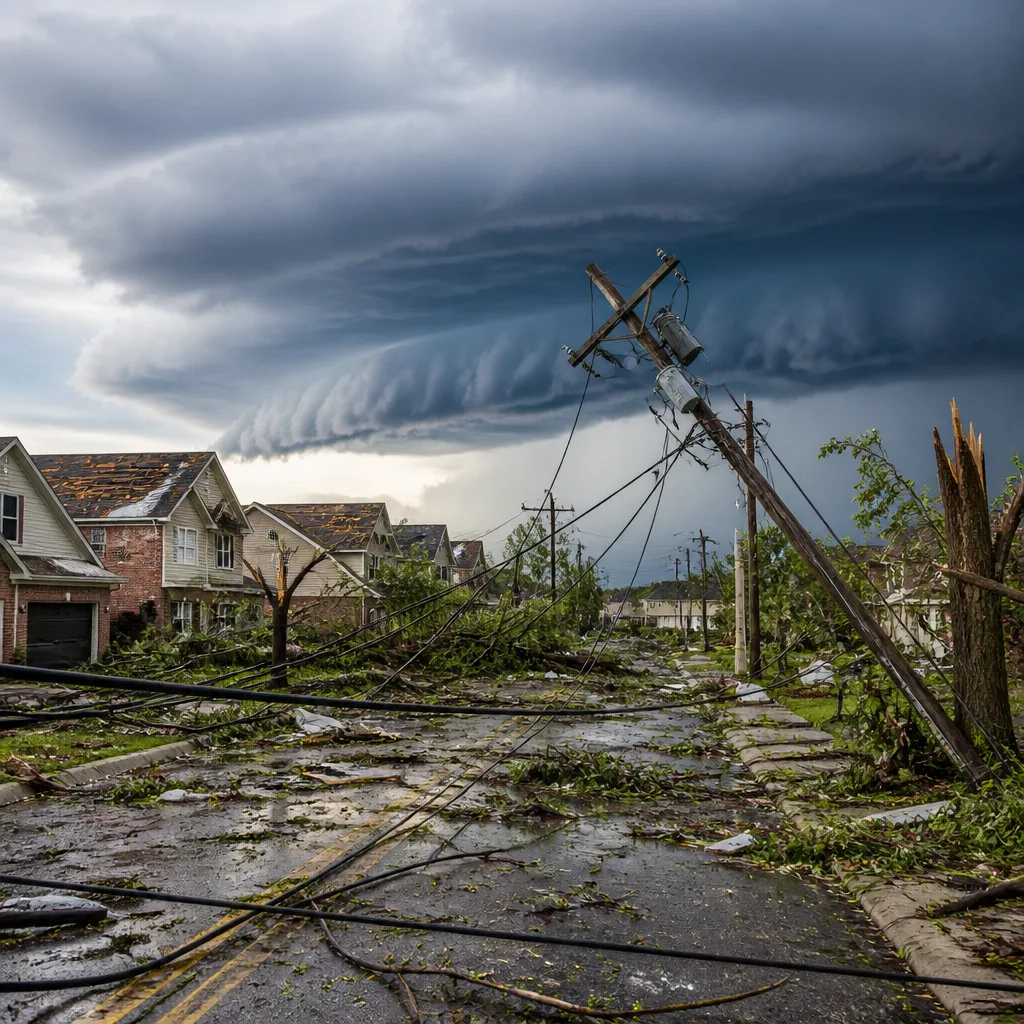
A ferocious line of storms swept across the US Midwest on Tuesday, leaving widespread disruption in its wake. Officials said the system knocked power to more than 500,000 customers around Chicago and northwestern Indiana, produced at least two tornado touchdowns south of the city, and injured people after lightning struck a prison complex in Ohio.
What happened
National Weather Service data and regional authorities described a fast-moving, destructive event that moved from Iowa into Indiana over several hours. Preliminary analysis by the Storm Prediction Center indicated the system had the characteristics of a derecho — a long-lived band of intense straight-line winds capable of causing damage comparable to tornadoes or hurricanes.
Among the immediate impacts reported:
- Power outages affecting more than half a million people in the Chicago metropolitan area and northwestern Indiana.
- Two tornadoes confirmed just south of Chicago by the National Weather Service.
- Severe wind gusts, including a recorded gust of 99 mph (159 kph) in Gary, Indiana, and multiple reports of gusts around 80 mph (128 kph) from personal weather stations.
- Flights temporarily halted at Chicago's two major airports while operations were suspended and a backlog cleared.
- In Ohio, at least one death reported and multiple power outages in the state capital region.
- Sixteen incarcerated people hospitalised — one airlifted — after lightning struck the Grafton Reintegration Center southwest of Cleveland.
“No power. It was very scary. We were down in the basement,”
said Javid Jenkins of Homewood, a suburb south of Chicago, describing the moment the storm passed over his area.
Evidence pointing to a derecho
The Storm Prediction Center explained that the intense system travelled a long distance with sustained, damaging straight-line winds — the hallmark of a derecho. Such systems are not single tornadoes but organised convective lines that can produce tornadoes embedded within them, as appears to have occurred near Chicago.
| Reported impact | Detail |
|---|---|
| Power outages | More than 500,000 customers across Chicago area and NW Indiana |
| Wind gusts | 99 mph (159 kph) recorded in Gary, Indiana; numerous ~80 mph (128 kph) personal station reports |
| Casualties & injuries | At least one death in Ohio; 16 incarcerated people hospitalised after lightning strike |
| Tornadoes | Two tornadoes touched down south of Chicago |
Safety and practical measures
Events of this kind can cause rapid and unpredictable effects: fallen trees, snapped power lines, flooding and damage to buildings. If you are in an affected area, consider these practical steps:
- Stay tuned to local emergency services, radio or official social media channels for updates and shelter instructions.
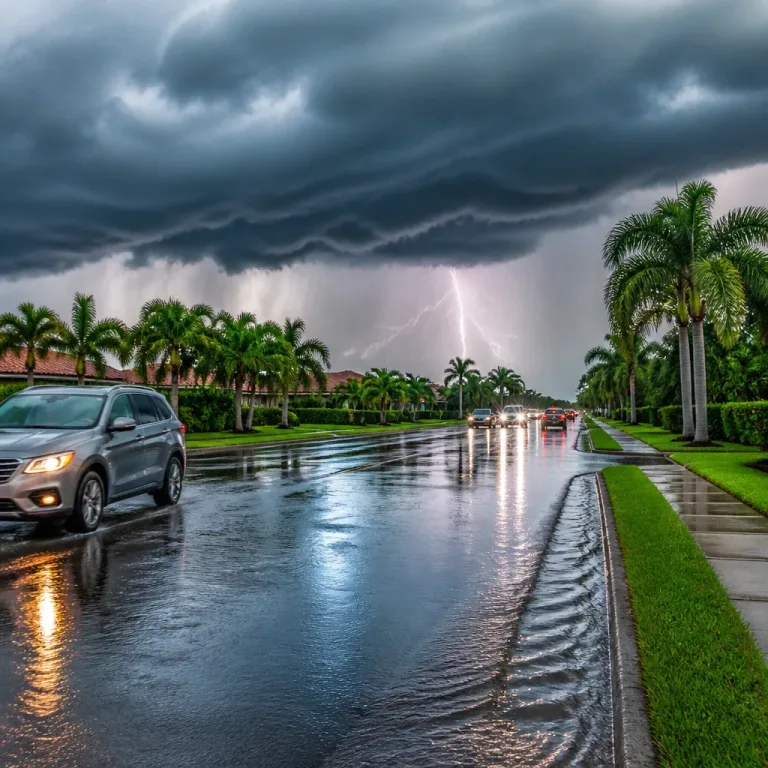
- If thunder is heard, assume lightning risk — seek solid shelter and avoid outdoor activities until storms pass.
- Avoid downed power lines and report them to your utility company; do not attempt to move fallen lines or approach damaged electrical equipment.
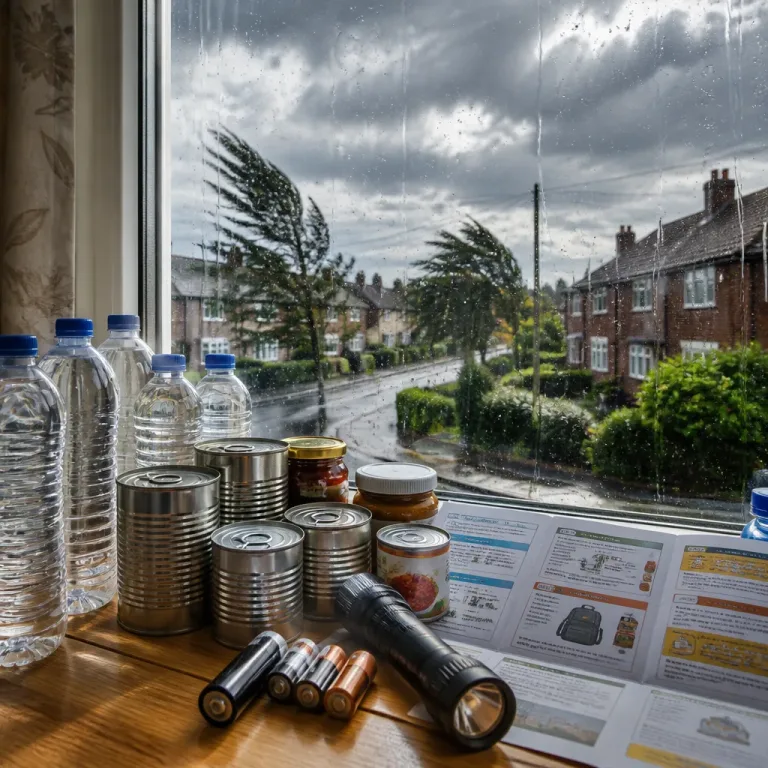
- If you lose power, conserve phone battery, use a torch not candles if possible, and avoid running generators indoors.
- Check on vulnerable neighbours and those who may be without cooling or power, where safe to do so.
Authorities temporarily suspended flights at Chicago's two main airports while crews worked to clear the backlog; travellers should expect delays as operations recover. Emergency services across the region are responding to reports of damage, and hospitals treated multiple people after the lightning strike at the Ohio prison complex, the Ohio Department of Corrections said.
While the Storm Prediction Center flagged the event as having derecho characteristics, formal post-storm surveys by the National Weather Service will determine final classifications and map the extent of tornado damage. Recovery efforts will focus on restoring power, assessing structural damage and tending to the injured. Public messaging emphasises remaining cautious while crews clear debris and repair infrastructure.
This was a rapid and dangerous outbreak of severe weather. People in the region should expect ongoing disruption and heed official safety guidance as recovery continues.