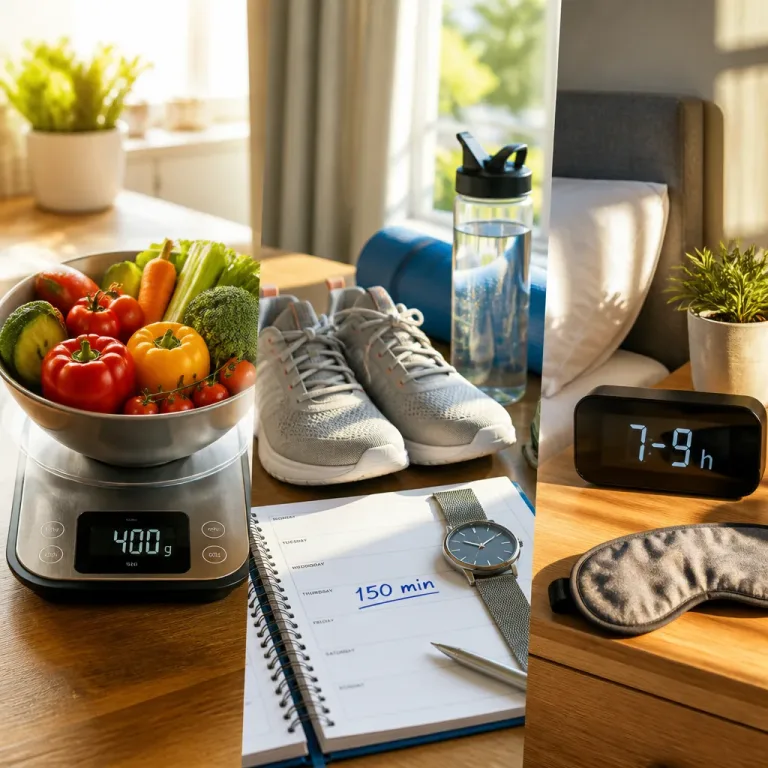

A large Norwegian study has found that students who take part in regular physical activity are less likely to develop symptoms of anxiety and depression over the following year, with the frequency of exercise appearing more important than short bursts of high intensity.
Study and key findings
Researchers at the Western Norway University of Applied Sciences, Haugesund, analysed responses from 10,460 full‑time higher‑education students aged between 18 and 35. The team assessed self‑reported exercise behaviour — including frequency, intensity and weekly duration — then used a diagnostic instrument administered one year later to identify clinically defined common mental disorders, such as anxiety and depression. The results were published in PLOS One.
The analysis showed a clear association between lower levels of exercise and a higher likelihood of later mental health problems. In particular, exercise frequency produced the most consistent links with reduced risk, compared with intensity or single session duration. The probability of common mental disorders fell as total weekly exercise rose, up to around 10 hours per week.
“The transition to higher education is a particularly vulnerable period for young adults, underscoring the importance of identifying protective factors during that developmental stage,”
The study also reported some sex differences in the patterns observed. Lower exercise intensity was a stronger predictor of anxiety and depression among women, whereas shorter weekly exercise duration was more strongly associated with risk among men.
What this means for students and universities
The findings add to a growing evidence base that regular physical activity is beneficial for mental as well as physical health in young adults. For students — many of whom experience disrupted routines, new social pressures and mounting academic demands — the period of moving into higher education can be especially testing. The research suggests that establishing habitual, moderate exercise may be an effective way to reduce the likelihood of developing common mental disorders.
Policymakers and university services may wish to consider how to encourage and enable regular activity among students. That could include practical measures such as accessible timetabling for sports facilities, low‑cost group classes, safe cycling routes and information campaigns that emphasise regular moderate activity rather than only high‑intensity workouts.
- Sample size: 10,460 full‑time students aged 18–35
- Follow‑up: mental health assessed one year after initial survey
- Key message: more frequent, consistent exercise linked to lower risk of anxiety and depression; benefits increased up to ~10 hours per week
| Measure | Association with later mental disorder |
|---|---|
| Exercise frequency | Most consistent protective association |
| Exercise intensity | Lower intensity predicted issues more strongly in women |
| Weekly duration | Shorter duration a stronger risk factor among men; benefit up to ~10 hours/week |
Practical tips for building protective habits
How students might act on the findings without needing specialist equipment or extreme training:
- Prioritise regularity: aim for several sessions per week rather than only occasional intensive workouts.
- Choose moderate activities you enjoy — brisk walking, cycling, swimming or group classes can all help build a habit.
- Break exercise into shorter sessions if time is tight; cumulative weekly hours matter.
- Use university resources: join sports clubs, use campus gyms or find peer groups for accountability.
While the study establishes an association rather than definitive causation, the size of the sample and the prospective design strengthen the case that consistent physical activity may play a protective role for mental health during a key life transition. Students, educators and student‑support services should consider simple, sustainable ways to increase the frequency of activity to support wellbeing.
Further research will be needed to explore the mechanisms involved and to test interventions designed to increase regular exercise among diverse student populations.