
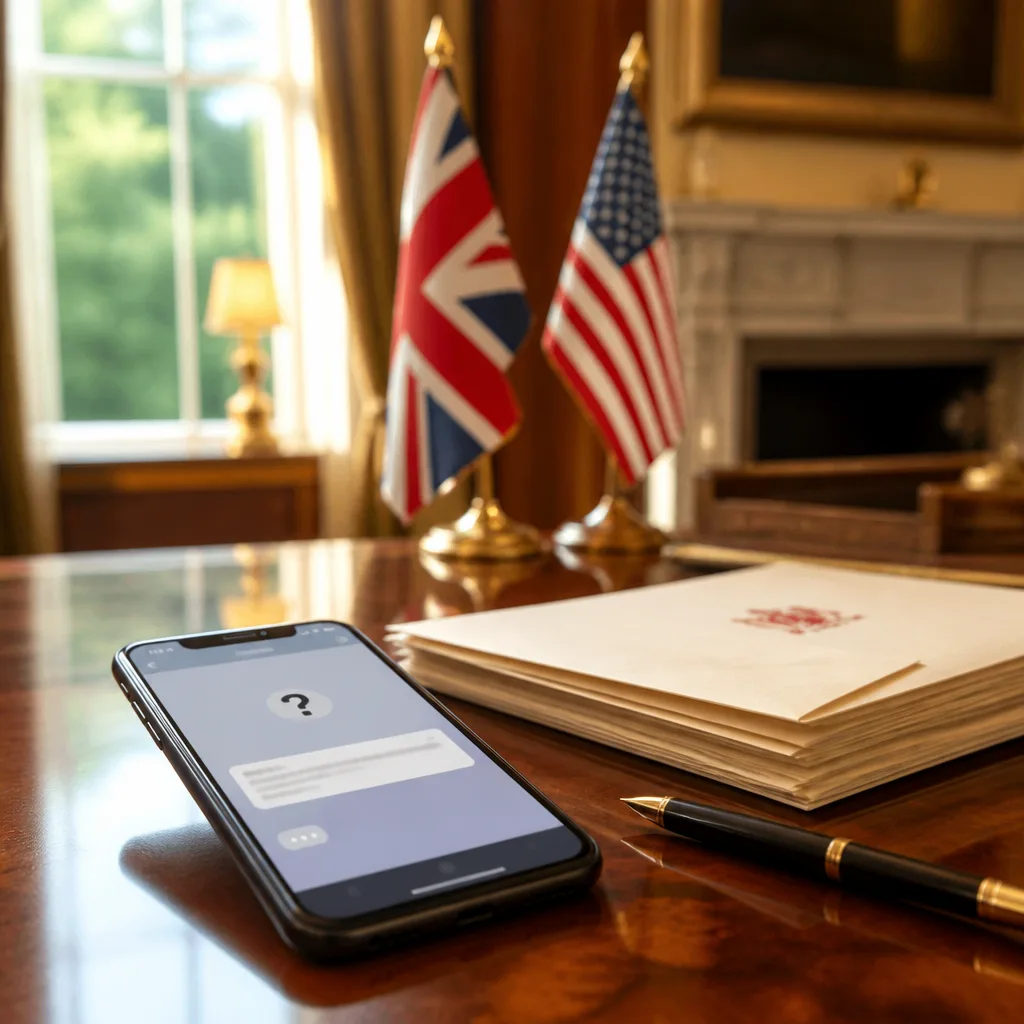
The Prime Minister, Andy Burnham, exchanged messages with a person who was impersonating Susie Wiles, the White House chief of staff, according to a report by Politico.
Immediate concerns raised and referred to authorities
A person briefed on the matter told Politico that the exchanges were “of no significance” and that Mr Burnham became suspicious. The report said the activity was quickly referred to the relevant authorities once concerns were identified.
It is not clear from the reporting when the incident occurred, but Politico said it took place after Mr Burnham moved into No 10. The British embassy reportedly raised the matter with officials in the White House.
“We do not comment on national security matters.”
The UK Government declined to comment beyond a statement that it does not discuss national security matters.
Context: a pattern of impersonation attempts
The episode follows previous reports that Susie Wiles has been the subject of impersonation. The Wall Street Journal reported last year that an unidentified individual contacted senior Republicans and business leaders while posing as Ms Wiles. That reporting said the FBI and the White House launched inquiries and that Ms Wiles told associates some phone contacts had been hacked.
- Susie Wiles has served as White House chief of staff since President Trump returned to office at the start of last year, according to the report.
- Andy Burnham first spoke to President Trump on the phone on 20 July, the day he succeeded Sir Keir Starmer as Prime Minister, the reporting noted.
- The British embassy is said to have taken up the matter with the White House after becoming concerned.
Diplomatic and security implications
The account raises questions about the vulnerability of high-level communications between allied governments to impersonation and fraud. Officials in both capitals have in recent years sought to harden channels of contact for senior politicians, including authentication of messages and verification of phone numbers. The reporting indicates those safeguards may still be tested by determined impersonators.
Downing Street’s limited public response reflects standard practice on matters involving potential national security or counterintelligence issues. The person briefed to Politico described the messages as trivial in content, but said they were dealt with promptly once doubts arose.
Timeline (reported)
| Event | Reported timing |
|---|---|
| Andy Burnham becomes Prime Minister | 20 July (first call with President Trump) |
| Exchange of messages with impersonator | After Mr Burnham entered No 10 (date unspecified) |
| British embassy raises concerns with White House | Following suspicion (date unspecified) |
The report does not provide the full content of the messages or identify the account used by the impersonator. It also does not say which UK or US agencies were notified beyond the embassy contacting the White House and the unspecified “relevant authorities” being told.
Officials in both London and Washington have previously investigated attempts to impersonate senior White House staff. The Wall Street Journal account last year described contacts made with senators, governors and business figures while posing as Ms Wiles; that reporting said US agencies, including the FBI, pursued inquiries.
For now the public record is limited to the Politico report, the prior press reporting on impersonation of Ms Wiles, and the terse UK Government response. What is clear is that concerns were raised and referred up the chain of command. Whether that triggers a wider investigation or changes to verification procedures will depend on assessments by security and diplomatic officials in both capitals.












