
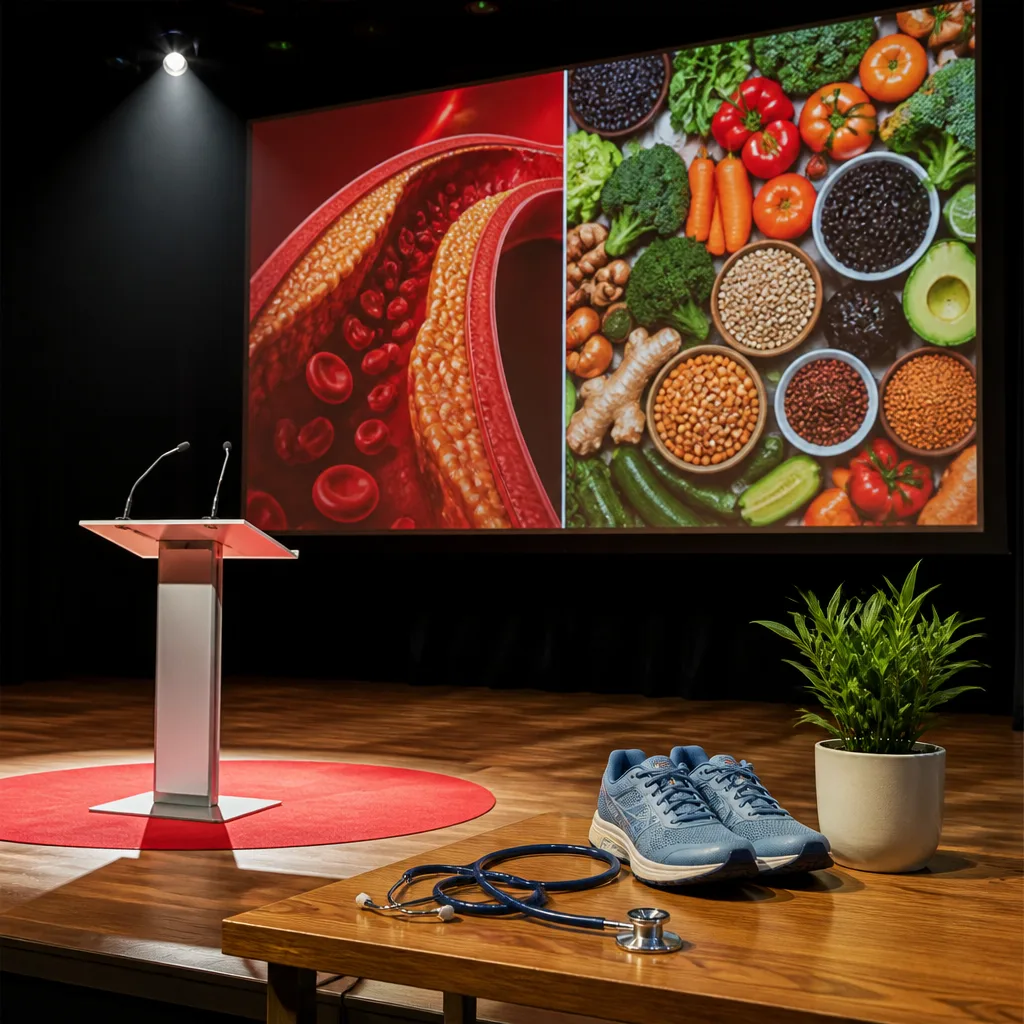
Recent discussion prompted by a TEDx talk from Dr Michael Klaper has put renewed focus on how a plant-centred diet can play a role in preventing and even reversing cardiovascular disease — and on the need to view diet alongside other everyday habits as part of lifestyle medicine.
From the operating theatre to dietary debate
Dr Klaper, describing an experience from his time in anaesthesiology, said his professional awakening came while observing surgeons remove greasy arterial deposits. In the talk he compared this material to common animal fats, an observation that grabbed attention.
"my 'awakening happened while putting people to sleep.'"
He also pointed to medical literature from the 1970s that reported the possibility of reversing arterial plaque with a plant-based approach. The talk, and the wider discussion, highlights a persistent issue: many doctors trained in Western medical systems receive limited formal education in nutrition.
What people mean by 'plant-based'
Not all diets described as plant-based are equal. A diet made up largely of processed crisps, sweets and refined foods might technically exclude meat, but it does not deliver the nutrients typically associated with better health outcomes. Observers note that diets followed in the Mediterranean and in so-called Blue Zones — regions where people commonly live longer, healthier lives — tend to emphasise whole foods: vegetables, fruit, legumes, whole grains, nuts and modest amounts of fish.
The author of the original piece reports eating a whole-food, plant-based diet with the addition of seafood such as wild-caught salmon twice weekly. They also said friends and family frequently ask how sufficient protein is achieved without routine meat consumption, reflecting common public scepticism in places where meat has been a daily staple.
Diet as one part of lifestyle medicine
Advocates argue that diet should be considered alongside other determinants of health — a package sometimes called lifestyle medicine. This broader approach includes:
- meaningful work and social connections
- stress management and mental-rest practices
- regular physical activity, such as daily walks
Simple, practical recommendations from the piece emphasise slowing down, getting outside for fresh air and sunshine, and paying attention to the composition of meals rather than focusing solely on the absence of particular food groups.
Practical implications for readers
For those considering dietary change, the available accounts suggest a few clear takeaways without making sensational claims:
- Focus on the quality of plant foods: choose minimally processed fruit, vegetables, legumes, whole grains and nuts.
- Recognise that a plant-centred approach can include modest amounts of fish if desired; the writer mentioned eating wild-caught salmon twice a week.
- Understand diet as one component of broader lifestyle habits that influence long-term health.
| Element | Typical examples |
|---|---|
| Plant-centred eating | Vegetables, pulses, whole grains, nuts, limited processed foods |
| Lifestyle medicine | Diet, exercise, social ties, stress management, outdoor time |
While the historical research referenced suggests diet can influence arterial disease, readers should note that medical recommendations should be personalised. Discussing significant dietary shifts with a clinician or registered dietitian is sensible, particularly for people with existing health conditions or special nutritional needs.
The conversation underlines a broader point: improving public health may require health professionals to have stronger training in nutrition and for individuals to consider food as only one of several daily choices that shape long-term wellbeing.














