Hot, dry conditions blamed for increased risk of winter potholes
Motorists and pedestrians across Peterborough have been cautioned that the city may face a heavier-than-normal toll of potholes in the coming months after an exceptionally hot and dry summer. The local authority says prolonged high temperatures and lack of rain can increase cracking in tarmac and other road surfaces, leaving them vulnerable when colder, wetter weather sets in.
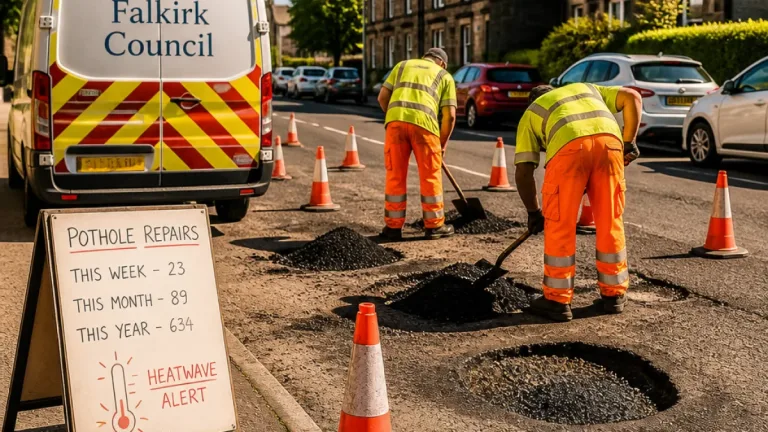
Peterborough City Council points to recent repair figures to underline the scale of the challenge. Between January and March of this year the city recorded more than 3,300 pothole repairs, a substantial rise on the same period a year earlier when 1,417 repairs were carried out. For comparison, the total number of potholes fixed in 2025 was 2,891.
| Period | Potholes repaired |
|---|---|
| Jan–Mar (this year) | 3,300+ |
| Jan–Mar (previous year) | 1,417 |
| Whole of 2025 | 2,891 |
Councillors and highways officers say the mechanism is well understood: when hot weather dries and hardens the surface, tiny fissures can develop. Those fissures admit water during autumn and winter rain; freeze–thaw cycles and water ingress then remove supporting material beneath the surface, producing the depressions drivers recognise as potholes.
"With the very hot summer we've experienced it is increasingly likely that this could cause increased cracking and dropping in road surfaces across the city,"
The comment came from Cllr Angus Ellis, the council's Cabinet Member for Transport, who is urging residents to assist the council by reporting defects promptly so inspections and repairs can be prioritised. The council says safety remains its priority and that it carries out regular inspections, prioritising sites based on assessed risk.
What residents should expect and how they can help
Authorities do not predict precisely how many more potholes will form later in the year, but the recent surge in early-year repairs has prompted concern that 2027 could see higher volumes of work if wet and cold conditions arrive. For residents, the practical consequences are clear: more road repairs, potential delays and the possibility of damage to vehicles.
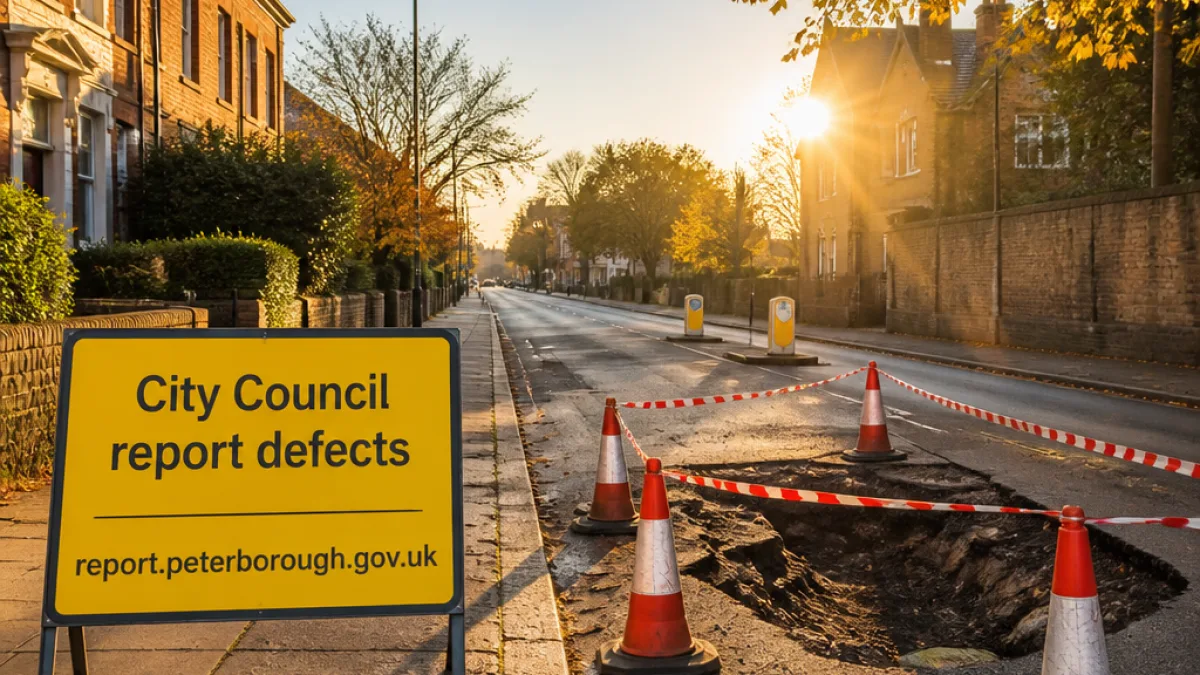
- Report potholes online via the council's reporting portal: www.report.peterborough.gov.uk.
- Take care when driving and when cycling — avoid sudden steering movements if possible and reduce speed on damaged surfaces.
- Photograph and note exact locations of defects to assist inspectors assessing risk and prioritisation.
Local businesses that rely on road access, public transport users and emergency services are all affected by the quality of the carriageway network. Repairing a larger number of defects requires resources and labour; the council must balance reactive repairs with planned maintenance schemes that address underlying causes such as drainage or sub-surface failure.
Council representatives emphasise that immediate surface repairs can be a temporary measure and that long-term resilience of roads frequently depends on more substantial resurfacing and improved drainage — interventions that are costlier and take longer to schedule.
Looking ahead
While a dry summer poses a different risk profile from the freeze–thaw damage normally associated with potholes, the combination of drought-induced cracking followed by wet, cold conditions is what produces the most prolific failure. The council's request for residents to report defects promptly is therefore aimed at enabling a targeted response that focuses on the highest-risk locations first.
For now, drivers in Peterborough should expect an increase in repairs being carried out across the city as teams respond to the early surge in defects. Whether the coming autumn and winter will produce a repeat of the high early-year repair numbers is still contingent on the weather, but the council's figures and advice make clear that the unusual summer has raised the likelihood of a heavier workload for highways crews.