
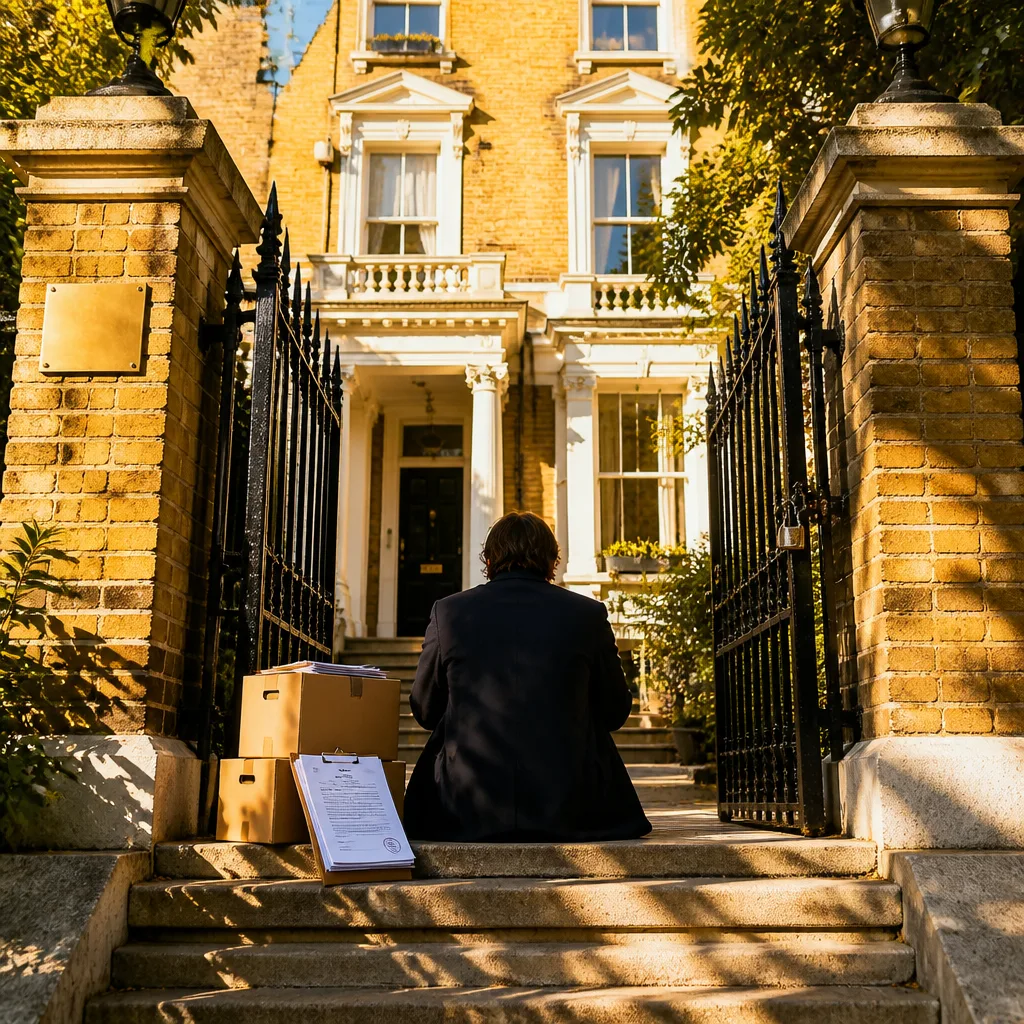
Kyaw Zwar Minn, Myanmar’s former ambassador to the UK, has appeared in a London court charged with trespassing after he refused to vacate the official residence following his ousting in 2021. The defendant, who still lives at the north-west London property, has pleaded not guilty to an allegation that he remained at the diplomatic premises between May 2021 and November 2024.
Immediate human and diplomatic stakes
The case centres on whether the military authorities in Myanmar — led by Min Aung Hlaing since the 2021 coup — could lawfully end Kyaw Zwar Minn’s licence to occupy the property. The former envoy insists he declared loyalty to the deposed civilian leader Aung San Suu Kyi and was thereafter excluded from the embassy in April 2021.
The trial tests competing claims: prosecutors say instructions were sent by Myanmar authorities in April 2021 to hand over state-owned premises and that the UK Foreign Office also told the ambassador to leave the residence. Defence lawyers counter that the military-led government is illegitimate and therefore lacked authority to terminate his right to live at the address.
Legal arguments and wider context
Prosecutors told the court that Kyaw Zwar Minn’s prior permission to reside at the residence as ambassador did not permit him to remain after his removal from the post. The Crown contends that his continued occupation therefore constituted the offence of diplomatic trespass.
“The military authorities could not lawfully terminate his licence at the address. Nor could they legitimately use the property.” — David Perry, defence counsel
The defence argues the actions of the junta are void, pointing to the broader international condemnation of the military leadership. Min Aung Hlaing’s government, which won a landslide in elections earlier this year, has been widely criticised as staging a sham ballot. The general is also wanted by the International Criminal Court over alleged crimes against humanity committed against the Rohingya minority.
- April 2021: Kyaw Zwar Minn was locked out of the embassy after pledging allegiance to Aung San Suu Kyi.
- May 2021–November 2024: Period cited in the trespass charge for staying at the diplomatic residence.
- 2026: Trial in London on diplomatic trespass charges.
Diplomatic and public implications
The case raises delicate questions about diplomatic property rights and who has authority to instruct eviction when a government’s legitimacy is contested. Most democratic states have not formally recognised the junta that seized power in 2021, complicating routine consular and property issues.
For the ambassador, the proceedings carry personal as well as symbolic weight: he has consistently maintained his allegiance to Myanmar’s pre-coup civilian leadership and declined to accept the military-appointed authorities’ orders. For the UK and other governments, the litigation may set a precedent for how courts navigate disputes over diplomatic premises where rival claimants to authority exist.
What to watch next
The trial will proceed on the basis of evidence about who gave lawful instructions over the property and whether those instructions could be enforced in the UK. Legal submissions already signpost a clash between domestic offences and contested international recognition of authority in Myanmar.
| Issue | Effect |
|---|---|
| Authority to terminate residence licence | Central to whether trespass offence occurred |
| UK Foreign Office position | Prosecutors say it told the ambassador to leave |
| International context | Junta widely criticised; leader wanted by ICC |
The outcome could have repercussions beyond the individual case, informing how UK courts handle disputes involving contested governments and diplomatic properties. For now, proceedings continue to examine whether legal responsibility for the residence lay with the military authorities in Naypyidaw or with the ambassador who remained on the premises.















