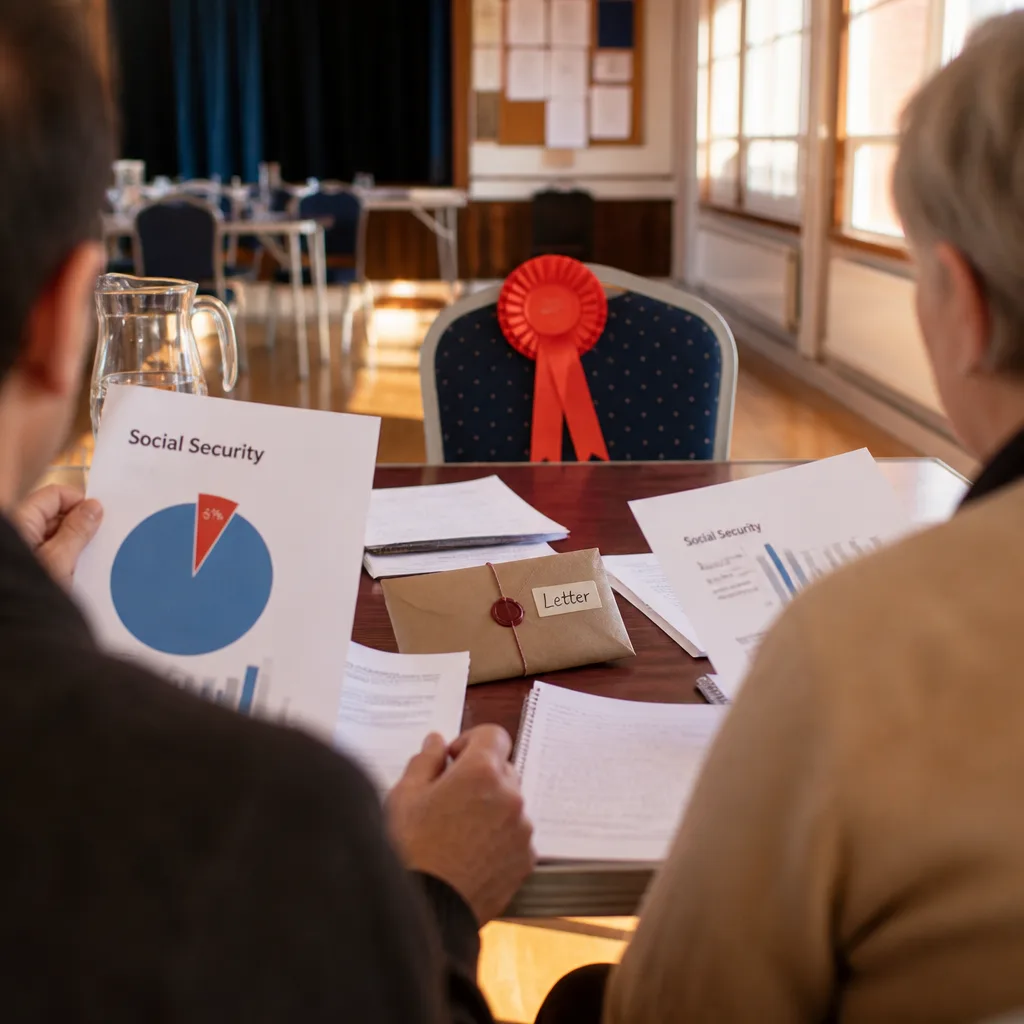
Forty-seven per cent of Labour party members surveyed believe the government is spending too much on social security, according to a letter published in a national newspaper. The revelation has been described by its author as “depressing”, and it has prompted questions about how political messaging and the legacy of austerity have shaped views within the party.
What the note says
The letter, written by a crossbench peer who identifies as Labour, argues that public and political narratives have long portrayed welfare as "out of control", despite evidence to the contrary. It notes that spending on non‑pensioner social security has remained at around 5% of GDP over the past decade, and that this stability is at odds with a persistent impression that benefits have ballooned.
“I trust that the ‘senior strategists in Downing Street’ with whom the survey findings were shared won’t take the wrong lessons from them.”
The author says that social security was one of the main victims of austerity and that benefit levels were driven down to the point where they no longer met basic needs, contributing to an increased reliance on food banks. She argues that research from academics, charities and think‑tanks shows that improving social security is an effective way to reduce child poverty and to act as preventive spending that eases pressure on acute services.
Implications for party policy and messaging
The survey finding — and the reaction to it in the letter — highlights a tension within the Labour movement between popular sentiment and the evidence base that some experts and organisations promote. If nearly half of members view spending as excessive, that may constrain the scope for proposing expanded welfare measures, even where research suggests such measures would be cost‑effective in the long term.
At the same time, the letter warns against allowing a narrative shaped by headlines and political rhetoric to determine policy choices. It calls for members to be presented with the available evidence from independent sources so that internal debate is informed by facts rather than impressions.
- Survey result highlighted: 47% of Labour members reportedly think welfare spending is too high.
- Claim on spending: non‑pensioner social security has been about 5% of GDP for the last decade.
- Argument made: austerity reduced benefit levels and increased reliance on food banks; better social security could act as preventive spending.
What is known and what is not
The letter cites broad claims about academic, charity and think‑tank research without listing specific studies in the published text. It does reference the Institute for Government as suggesting social security should be viewed as preventive spending, but it does not lay out detailed evidence or costings within the letter itself.
| Item | Figure/Claim |
|---|---|
| Labour members saying spending is too high | 47% |
| Non‑pensioner social security spending | ~5% of GDP (past decade) |
Because the letter is an opinion piece responding to a separate survey, it does not supply the underlying survey methodology, sample size or the precise questions asked. Those details are necessary to assess how representative the figure is of the wider membership.
Why it matters
Welfare and social security are perennial battlegrounds in UK politics. Perceptions about whether spending is excessive influence electoral positioning, manifesto commitments and the framing of fiscal choices. If a substantial proportion of a major party’s membership believes spending should be curtailed, it could affect the party’s readiness to back increases in benefit levels or more ambitious anti‑poverty measures.
The author of the letter urges that strategists and policymakers consider the evidence on the preventive value of social security when weighing policy options. The challenge for party leaders will be to reconcile members’ views with expert advice and with the political calculus of the wider electorate.
The debate touches on broader questions about how political narratives are formed and how they can diverge from statistical trends. It also raises practical questions for the party about how to brief and persuade its own activists and members if it seeks to advance a different approach to welfare spending.