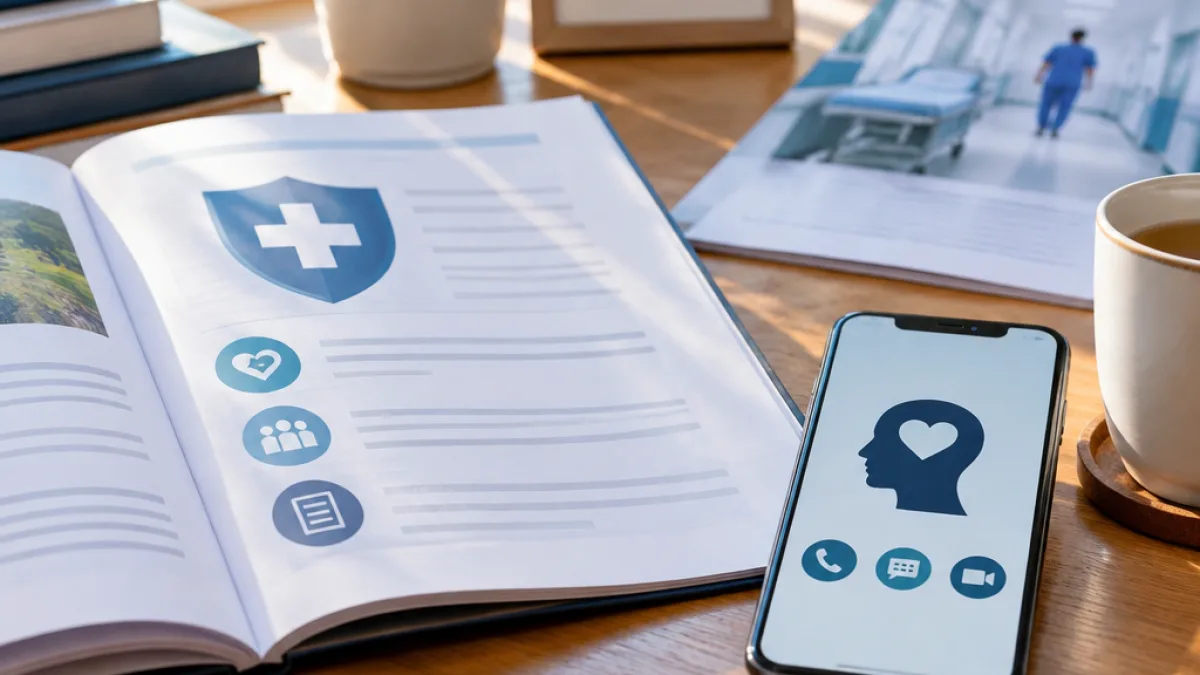
Access to mental health support would influence the choice of protection policy for 63% of men, according to new research by investment, protection and retirement specialist LV=.
The findings, published during Men’s Health Awareness Month, also indicate that concerns about emotional wellbeing remain significant among men. Six in 10 respondents said they worried about their mental health, while 67% said they were concerned about how they would cope emotionally if they received a serious illness diagnosis.
Concerns extend beyond financial consequences
LV= said the results showed why discussions about protection should include the health and wellbeing services attached to policies, rather than focusing solely on a possible financial payment. Such services may offer access to medical guidance, help with understanding a diagnosis and assistance during recovery, according to the company.
The research also found a marked gap between the possibility of a major health event and men’s expectations of experiencing one. Almost half, or 47%, said they did not believe they would be diagnosed with a serious illness, be unable to work for at least two months because of illness or injury, or die before reaching retirement.
| Finding | Share of men |
|---|---|
| Mental health support could affect protection-policy choice | 63% |
| Worried about their mental health | 60% |
| Concerned about coping emotionally after a serious illness diagnosis | 67% |
| Did not expect one of the specified serious events to happen | 47% |
Support may be considered before a claim
Mike Farrell, LV=’s protection sales and marketing director, said the figures demonstrated the continuing importance of conversations about men’s physical and psychological health. He said serious illness could affect individuals and families emotionally as well as financially, and that protection policies could provide reassurance while also connecting people with services before, during and after a claim.
“These findings highlight why conversations about men’s physical and mental health remain so important.”
Farrell said advisers had a role in explaining the wider support available, including services that could help policyholders obtain medical advice, make sense of a diagnosis or receive assistance with recovery. He also described Men’s Health Awareness Month as an opportunity to encourage more open conversations about health and to make sure people know where support can be found.
What the figures can—and cannot—show
The results provide an indication of attitudes reported in LV=’s research, but the source material does not give details of the number of participants, how respondents were selected, or whether the findings have been peer-reviewed. It is therefore not possible from the figures alone to establish how representative they are of all men in the UK, or to determine whether attitudes about protection directly lead to particular purchasing decisions.
- 63% said mental health support could affect their protection-policy choice.
- 67% reported concern about their emotional ability to cope with a serious illness diagnosis.
- 47% did not expect to experience one of the serious events included in the research.
The findings nevertheless point to a broader question for insurers and advisers: whether people understand the practical and wellbeing-related help that may accompany financial protection. For men who underestimate their likelihood of a serious illness, a prolonged absence from work or death before retirement, the research suggests that conversations about future risk may need to address emotional support as well as income and family finances.