Iran has told President Donald Trump to “accept the reality of defeat” and said it will not reopen the Strait of Hormuz to normal shipping while talks with Washington remain stalled, a senior Iranian diplomat posted on social media on Saturday.
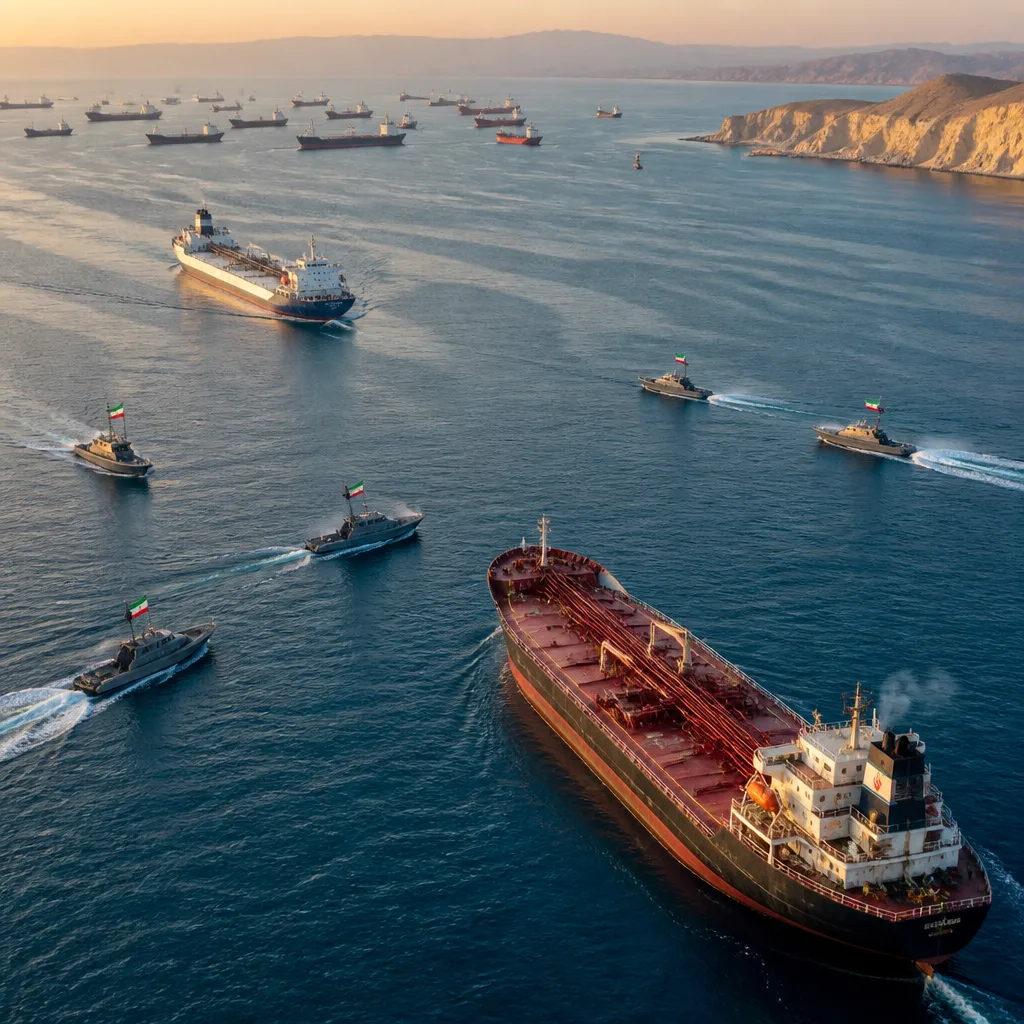
The deputy foreign minister, Kazem Gharibabadi, said the strait would be “opened and closed only under Iran’s command” and warned that Iran would continue to enforce a blockade so long as the United States did not abandon what Tehran called unrealistic expectations. In a post on X, he set out Tehran’s position that there would be no resumption of negotiations with Washington while the US persisted in its stance.
“This strait will be opened and closed only under Iran's command… Iran will continue to enforce the blockade.”
Shipping through the strait collapses
Data from ship-tracking firm Kpler showed a dramatic reduction in traffic: only two vessels transited the Strait of Hormuz on Friday, with no crude oil shipments among them. By contrast, analysts note that before the conflict began more than 130 vessels would typically pass through the waterway in a single day.
| Measure | Recent figure | Typical pre-war figure |
|---|---|---|
| Vessels transiting Strait of Hormuz (daily) | 2 | 130+ |
The collapse in tanker traffic comes as the US president said he intended to declare the Strait of Hormuz a US territory in the near future and told Americans to prepare for continued higher fuel prices while the conflict with Iran persists. Mr Trump also said the US would apply greater economic pressure on Tehran as talks to halt a near six-month long conflict remain stalled.
Humanitarian and diplomatic appeals
Separately, Iran’s Armed Forces General Staff said it had asked the International Committee of the Red Cross (ICRC) to intervene to help secure the release of three Iranian pilots it says are being held in Qatar. Tehran alleges the pilots were detained after their aircraft were struck during a March mission against what it described as an “enemy military base” in Qatar.
The claim that Qatar is holding the pilots has not been confirmed by Qatari authorities. The appeal to the ICRC illustrates Tehran’s attempt to use established humanitarian channels even as it pursues a hardline stance on the maritime blockade.
Implications and immediate consequences
The situation raises a number of immediate risks and consequences for global energy markets and international diplomacy:
- Energy prices: Disruption in the Strait of Hormuz, through which a significant share of global crude passes, puts upward pressure on oil and fuel costs worldwide, a point reiterated by President Trump when he warned Americans to expect higher gasoline prices.
- Naval and diplomatic tensions: Mr Trump’s suggestion of declaring the strait US territory is likely to inflame tensions further and could complicate relations with allies and regional states that rely on freedom of navigation in international waters.
- Humanitarian concerns: Iran’s appeal to the ICRC over detained pilots highlights a human dimension to the crisis that may prompt third-party mediation or international legal inquiries.
For the UK and other concerned states, the rapidly changing situation presents a challenge: balancing support for freedom of navigation and energy security while seeking diplomatic channels to de-escalate a confrontation that has so far produced a sharp fall in maritime traffic through one of the world’s most important oil chokepoints.
At present there are no signs that either Washington or Tehran are preparing to compromise. With tanker movements near historic lows and rhetoric escalating on both sides, markets and governments will be watching closely for any further developments that could widen the impact beyond the Gulf.