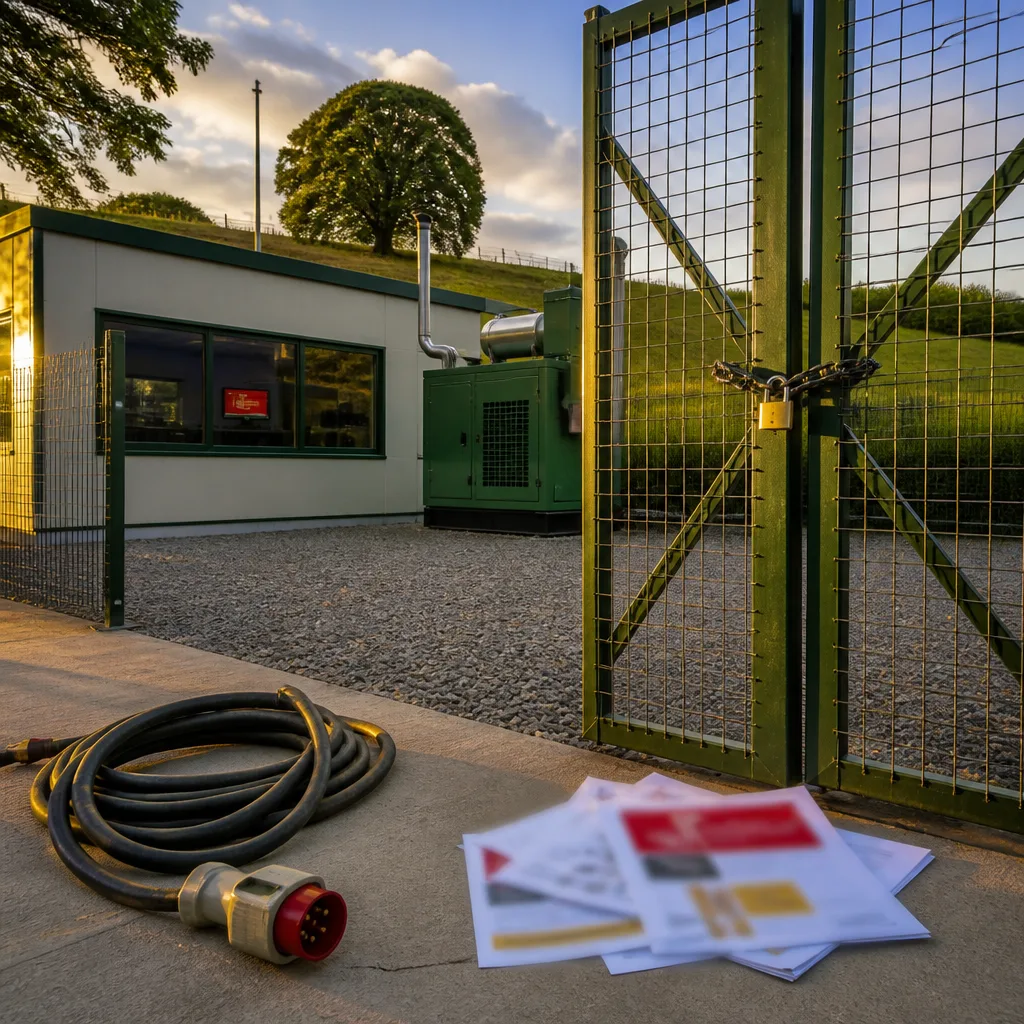
A small UK power generator was forced to stop operating for four days after a cyber intrusion attributed to actors linked to Iran, media reports say.
The incident, believed to have occurred last month, is reported to be the first successful strike by Iranian-affiliated hackers against this type of UK energy facility. Sources declined to name the site, and officials say the episode did not pose any risk to the wider national grid.
National cyber response and industry guidance
The episode was understood to have been notified to the National Cyber Security Centre (NCSC), part of GCHQ, which handles serious cyber incidents that affect UK organisations. Following the event, the government circulated briefings to energy companies and sent advice to firms across the sector.
A government spokesperson emphasised the resilience of Britain’s energy network, stating the incident affected a "small-scale energy generator" and at no stage threatened the broader energy system.
“The UK has a highly resilient energy system. We work closely with the energy sector to protect infrastructure and ensure the highest security standards. This story refers to an incident impacting a small-scale energy generator, and at no point was there a risk to the wider energy system.”
Context: state-linked cyber threats and planned defences
The report comes amid longstanding warnings from government cyber chiefs that many major attacks on the UK originate with hostile states. Earlier this year, the head of the NCSC, Dr Richard Horne, said that China, Iran and Russia were among state actors responsible for a substantial share of nationally significant intrusions, and that the NCSC handled roughly four such incidents a week.
Officials have repeatedly advised businesses to harden defences and to avoid using ransom payments as a response mechanism. The warnings underline official concerns that if the UK were drawn into a wider international confrontation it could face cyber operations at scale.
In parallel, GCHQ has advanced plans for an artificial intelligence-based national cyber shield intended to detect and flag threats to critical infrastructure, airlines, telecoms firms and major companies. Work on the system is expected to continue over the coming years, with aims to have it operational within the next five years.
Impact and wider implications
While the affected installation has been described as a small-scale generator, successful interference with any element of the power sector raises concerns about potential escalation and the security of decentralised energy assets, which are increasingly important to the UK energy mix.
Previous cyber incidents have had extensive commercial consequences: UK firms such as Jaguar Land Rover and the Co-op have faced significant disruption from cyber intrusions in recent years. The new reported attack will sharpen focus on supply-chain resilience and the protection of distributed energy resources.
- Incident duration: reported as four days offline.
- Attribution: linked to Iranian-affiliated hacking groups by reporting outlets.
- Response: reported referral to the NCSC and government briefings to energy firms.
| Organisation | Role mentioned |
|---|---|
| NCSC (part of GCHQ) | Responds to serious cyber incidents |
| GCHQ | Developing national AI cyber shield |
| UK government | Issued briefing and industry advice |
The NCSC has been contacted for comment. Officials and industry representatives will face questions about how a compromise of a generator — even on a smaller scale — occurred and what lessons can prevent similar intrusions in future. The episode also underlines enduring tensions between the UK and states accused of conducting hostile cyber operations.
As the energy sector continues to evolve with more decentralised generation and increasing digitalisation, authorities and operators will need to sustain investment in detection, response and international cooperation to limit the risk of disruptive cyber actions.