The draw for the 2026 FIH Hockey World Cup confirmed on Saturday that India and Pakistan will renew one of the sport’s most storied rivalries in the opening phase of the tournament. The men’s competition, jointly hosted by Wavre, Belgium, and Amstelveen, the Netherlands, runs from 15 to 30 August, and will feature 16 teams divided into four pools.
Group composition and headline fixture
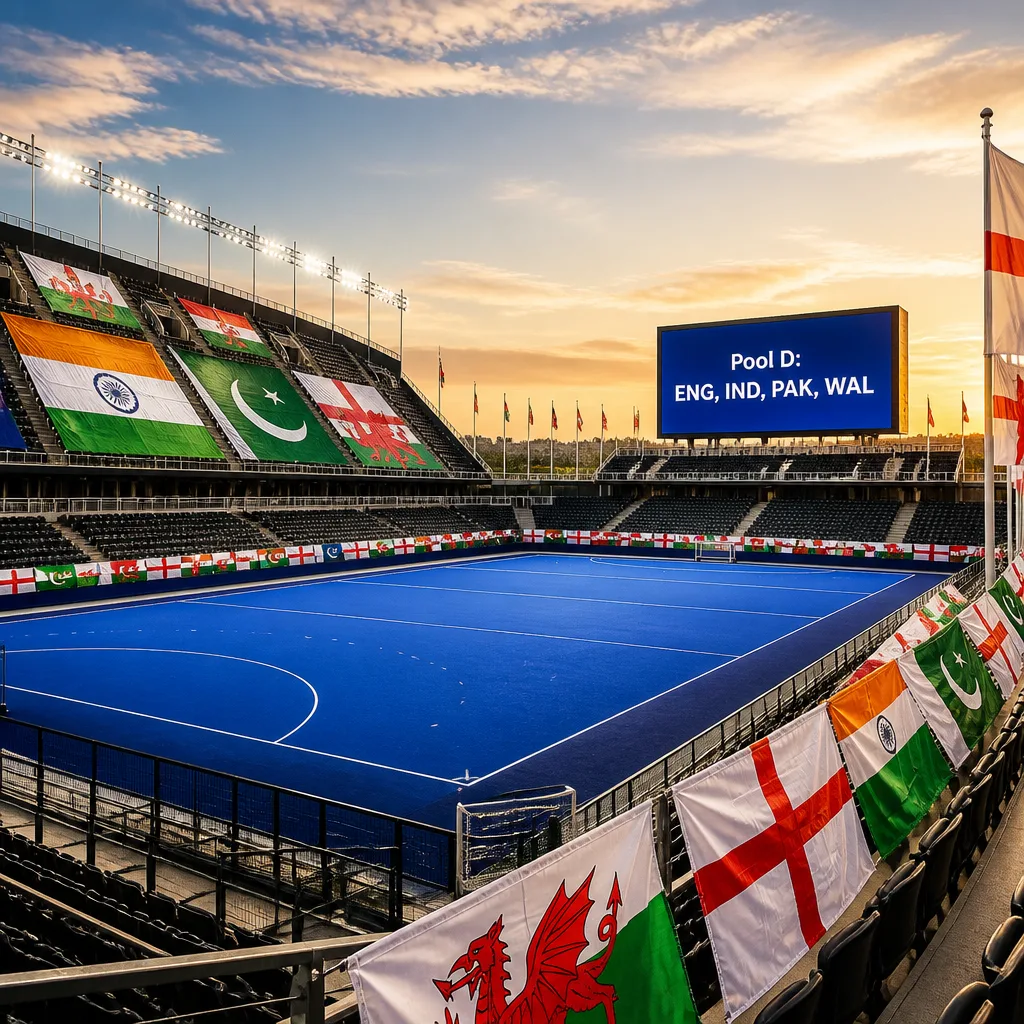
In the men’s event, Pool D now reads: England, India, Pakistan and Wales. That sets up high-profile clashes for the South Asian neighbours while also presenting England with a potentially tricky path through the opening stage. The women’s draw was also announced, with established powerhouses such as the Netherlands and Australia among the seeded sides.
| Men’s pools | |
|---|---|
| Pool A | Argentina, Japan, Netherlands, New Zealand |
| Pool B | Belgium, France, Germany, Malaysia |
| Pool C | Australia, Spain, Ireland, South Africa |
| Pool D | England, India, Pakistan, Wales |
Among the noted holders entering the event, Germany are the reigning men's champions from 2023, while the Netherlands hold the women’s title. The draw offers several potentially decisive early meetings that could reshape expectations for the latter stages.
Format changes and tournament structure
Organisers have introduced a substantive change to the knockout path. The traditional quarter-final round has been removed and replaced with a second group phase termed the "crossover pools". After the initial pool stage, teams will be regrouped into four new pools — E, F, G and H — according to their finishing positions in the opening round, and will play three further matches.
- Opening phase: Four pools of four teams, round-robin.
- Crossover phase: New grouping (Pools E–H) based on positions from the first stage; each side plays three more matches.
- Progression: The restructured second phase determines which teams advance towards the title-deciding matches.
By increasing the number of guaranteed matches for all sides, the revised format aims to reduce the impact of a single poor result and to give teams more competitive exposure. It also raises the strategic stakes for squad rotation and tournament planning, particularly for nations balancing continental and global commitments.
Context and consequences
The India–Pakistan fixture carries significance beyond sport. Matches between the neighbours often draw substantial global television audiences and intense media scrutiny because of their historical and political backdrop. For tournament hosts and broadcasters, the fixture represents a commercial and promotional boon; for players and coaching staff, it presents a high-pressure sporting test.
For England and Wales, being in the same pool as India and Pakistan compounds fixture difficulty and could influence selection and preparation choices. Smaller nations and those outside the traditional hockey powerhouses may view the extended format as an opportunity to recover from early setbacks and build form across more fixtures.
Both the men’s and women’s tournaments will feature the same pool arrangement — 16 teams split into four pools — with the women's pools featuring top-ranked sides such as the Netherlands, Australia and Argentina. The dual-host model in Belgium and the Netherlands continues the recent trend of cross-border staging of major European sporting events.
Photographs from preparatory events and recent regional tournaments underscore the elevated attention around squads such as Pakistan’s; images distributed by AFP captured their team in action at Asian competitions as they build towards the World Cup.
With the draw concluded, attention will move to final squad announcements, travel and training plans, and the negotiation of broadcast windows for markets with heightened interest in particular fixtures — most notably the India–Pakistan meeting. The format change and the group compositions promise a tournament that may feel different in rhythm and opportunity from previous editions.