
Harvey Nichols, the Knightsbridge department store synonymous with high-end London retail, has warned it will not be able to survive another year without fresh investment after posting heavy losses and receiving a string of takeover approaches.
Losses, liquidity warning and suitors
Accounts published over the weekend show the company made a loss after tax of £105m for the year to 29 March 2025, driven in part by the write-off of inter-company loans. The directors state the business is not a going concern and say it would run out of money within the next year if it cannot secure new funding, with no agreements in place at the time the accounts were prepared.
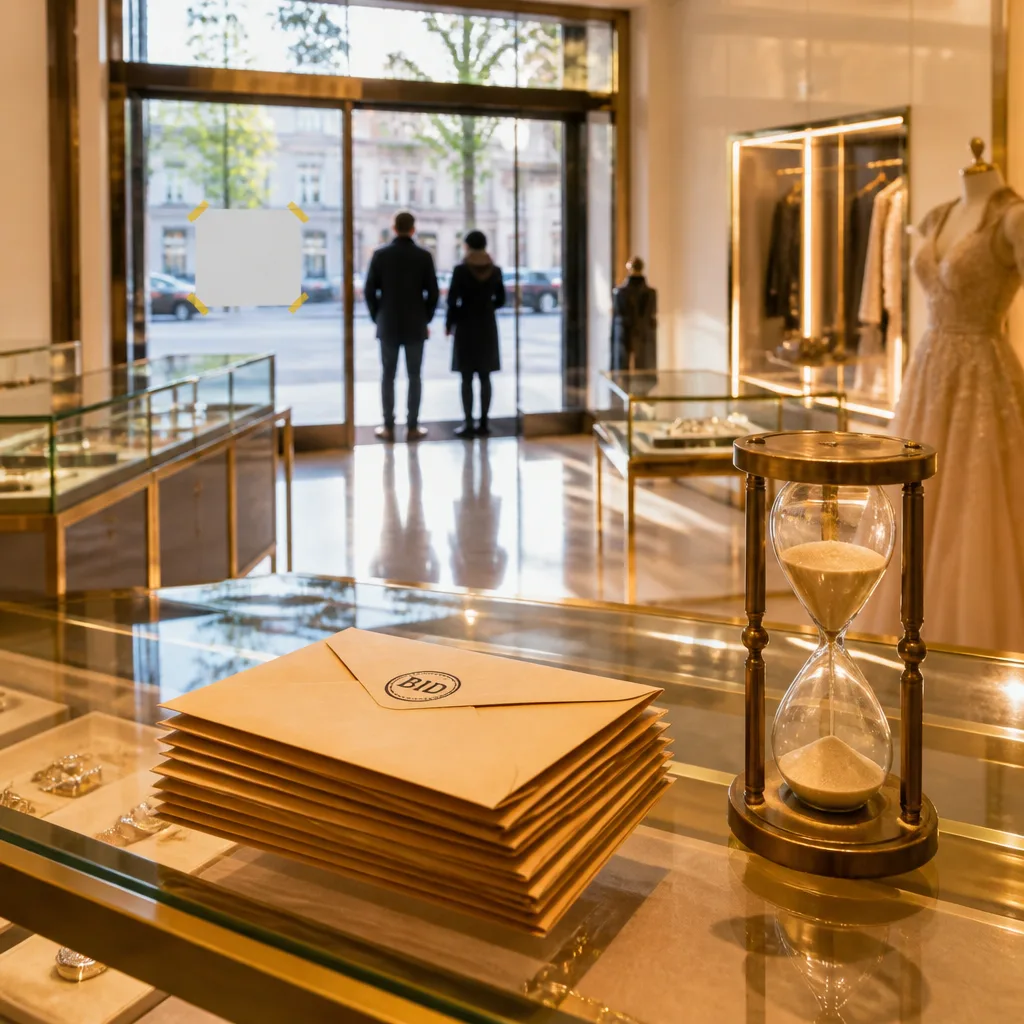
The company's Hong Kong-based owner, Dickson Poon, put Harvey Nichols up for sale in June. The accounts note the business has received “a number of bids” and that the board hopes to conclude a deal within the next year. More recent reporting has highlighted interest from Mike Ashley’s Frasers Group, which is understood to be pursuing a purchase at roughly £40m.
“[Harvey Nichols] is in a ‘death spiral’ and it would be a ‘huge challenge’ to turn it around,”
The remark, reported from Mike Ashley, encapsulates the scale of the turnaround that any buyer would face. FTSE 100 retailer Next had also shown past interest but has reportedly withdrawn, leaving Ashley among the clear frontrunners.
What the numbers mean for jobs, rents and the London retail landscape
Harvey Nichols says it has not returned to profit since the coronavirus pandemic, when international tourists — a core source of its higher-spending customers — were largely absent. That sustained weakness has translated into substantial losses and a balance sheet strain that now threatens the group's continuity.
For employees and for those with exposure to central London property markets, there are immediate implications. A sale to a buyer with a different strategy could preserve flagship locations but change staffing structures and brand positioning. Mike Ashley has indicated a willingness to retain the Knightsbridge and Edinburgh stores while rebranding other outlets under House of Fraser or Flannels, which would alter retail employment patterns and could affect wage structures if store formats and operating models change.
There are also knock-on effects for suppliers and landlords. A distressed sale or closure of non-core outlets would reduce demand for premium goods and services in the affected locations and could feed into lower rental values for high-street and shopping-centre landlords already facing weak footfall in parts of the UK.
- Loss after tax: £105m for year to 29 March 2025.
- Reported potential purchase price: c. £40m (Frasers Group reported interest).
- Going concern: Directors warn the company would run out of cash within a year without new funding.
| Item | Detail |
|---|---|
| Owner | Dickson Poon (Hong Kong-based) |
| Founded | 1831 (Knightsbridge store opened 1889) |
| Profitability | No return to profit since the pandemic |
Context: changing retail dynamics
Harvey Nichols rose to cultural prominence in the late 20th century, attracting a high-profile clientele and gaining wider visibility through television and the celebrity world. Yet like many department store names, it has struggled to adapt to structural shifts: competition from alternative shopping destinations, the long-term expansion of online retail, and a slower return of international tourists to central London.
The current situation underscores a recurring pattern in the premium retail segment: established names with valuable locations confront heavy fixed costs and shifting customer bases, leaving them exposed when sales fall. Buyers with deep pockets and an appetite for reorganisation, such as Frasers Group, have been active buyers of distressed or heritage brands in recent years — a strategy that may preserve parts of a brand while reworking others to fit a different commercial model.
For policymakers and local planners, the decline or repurposing of iconic department stores raises questions about the future of large retail spaces in prime locations and the economic ecosystem — from shop-floor jobs and managers' wages to cleaning and logistics contracts — that depends on them.
The immediate timetable is clear: the company says it hopes to secure a buyer within a year. Until then, staff, suppliers and the Knightsbridge retail mix will be watching closely as bidders decide whether the brand is worth rescuing, reshaping or absorbing.














