Oliver Bearman, the 21-year-old Haas Formula 1 driver, has opened a combined bike shop and café in the hills above Monaco, turning a training pastime into a commercial project with a group of friends.
From training route to business address
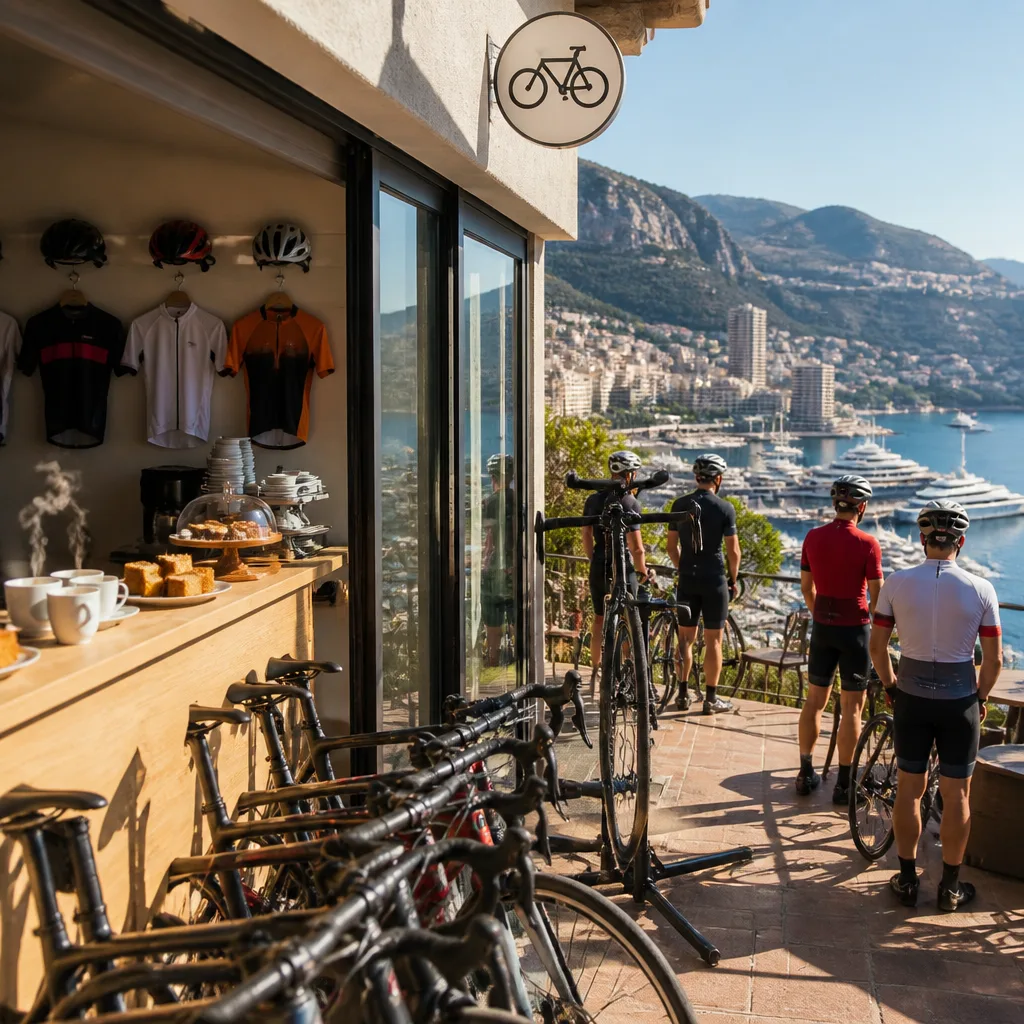
Bearman said the venture grew out of a growing enthusiasm for cycling, which he has incorporated heavily into his preparations for the 2026 F1 campaign. The outlet doubles as a pitstop for cyclists tackling the mountain roads surrounding the principality, offering refreshments alongside retail services.
“I have a bike shop with a few friends. We've opened up a bike shop above Monaco. It's a really popular area for cycling. It's really cool. We're really happy with how it's going.”
He described the site as both practical and social — serving coffee, home-baked items such as banana bread and cakes, and providing a place to regroup during long rides. Bearman admitted to learning the importance of good coffee to cyclists even though he does not personally favour it.
What this means for wages, prices and jobs
At face value the venture is modest: a passion project by a small group of friends rather than a large corporate spin-off. But it illustrates a broader pattern among elite athletes who seek to convert personal brands and lifestyle habits into commercial footholds. For the local economy in and around Monaco, the presence of a destination café-shop can have small but measurable effects — supporting micro-employment, generating footfall and providing a service to a niche but steady customer base of cyclists.
Those effects should be seen in perspective. The source material does not disclose staffing numbers, turnover, or prices, so it is not possible to quantify wage impacts or consumer-cost implications precisely. Nevertheless, a few general observations are relevant:
- Small leisure-led retail can create local jobs, often part-time and seasonal, in hospitality and retail roles.
- Products aimed at cyclists — repairs, accessories and premium refreshments — typically command higher margins than basic high-street retail, which can support sustainable pay for a small team if customer volumes are consistent.
- The shop’s attractiveness to visiting cyclists, including other high-profile riders, could boost spending in the immediate area beyond the shop itself.
Sporting context and commercial credibility
Bearman’s business timing coincides with a mixed start to his 2026 F1 season. He collected 17 points across the opening two rounds in Australia and China, added a further 1 point at the Canadian Grand Prix, and has endured retirements in Japan, Monaco and Spain. After several finishes outside the top 10 in recent rounds, he sits 13th in the drivers’ standings with 18 points.
That sporting record matters commercially because the visibility and credibility of athlete-backed ventures often correlates with on-track profile. A driver who is regularly scoring or on television can amplify brand recognition and customer curiosity. Conversely, a dip in results can reduce media attention and may temper short-term demand for ventures that rely on the owner’s public profile.
| Metric | 2026 Season (to date) |
|---|---|
| Points in opening two rounds | 17 |
| Additional points (Canadian GP) | 1 |
| Total drivers' championship points | 18 (13th) |
| Recorded retirements | Japan, Monaco, Spain |
Importantly, the shop is positioned in a globally recognised cycling hotspot. Bearman lives in Monaco and regularly rides the local mountain roads alongside drivers such as Carlos Sainz and elite cyclists including Tadej Pogačar, which strengthens the venture’s authenticity — a valuable asset in lifestyle retail.
For investors or analysts looking for trends, this is not a story of scale but of strategy: athletes monetising passions to build diversified income streams, while delivering services that fit neatly into affluent, tourism-driven markets. For locals and customers, the enterprise is likely to be judged on the usual commercial metrics — product quality, service and the café’s ability to attract repeat custom — rather than the celebrity association alone.
As with any small hospitality or retail operation, longevity will depend on consistent demand, operational management and the capacity to weather the natural fluctuations of seasonality and sporting form. For now, Bearman’s project reads as a carefully pitched lifestyle business that complements his training rather than replacing his primary profession on the grid.