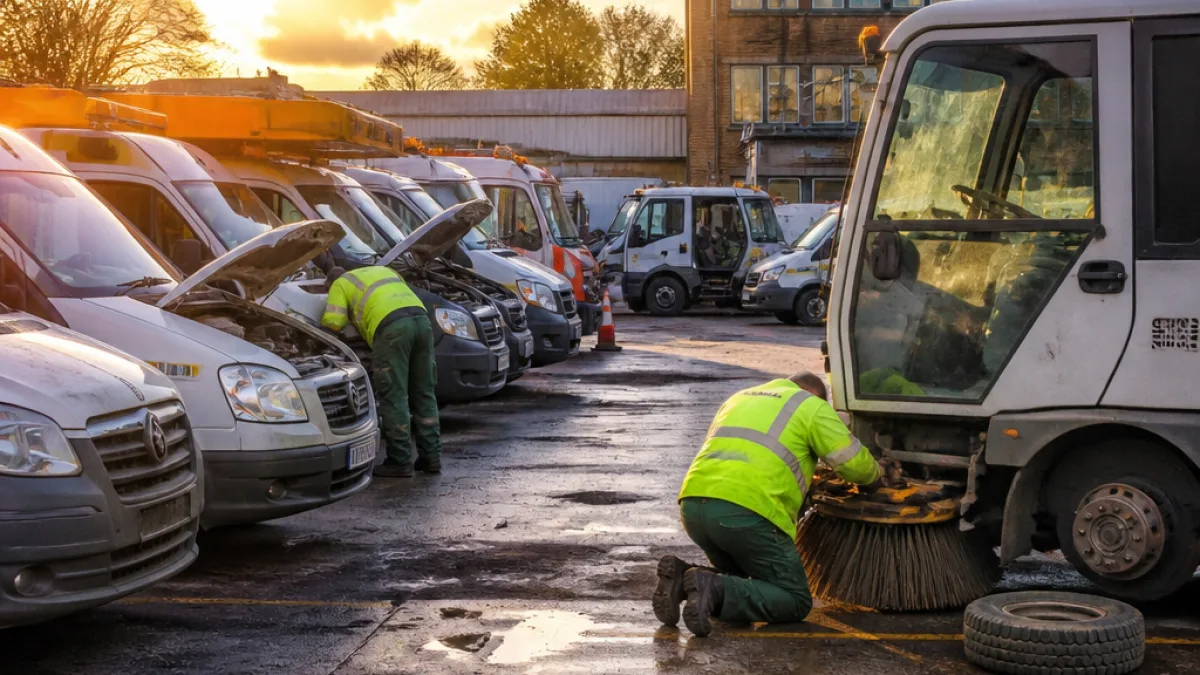
Ageing vans and bin lorries leave Guildford services under strain
Guildford Borough Council is confronting a substantial bill to replace an ageing vehicle fleet that officers say is undermining routine services across the borough. A report to councillors revealed the authority operates 191 vehicles, from delivery cars to bin lorries, and that many are now well beyond their planned operating life.
The condition of the fleet is affecting the council's ability to maintain reliable bin collections and street cleaning, with rising maintenance needs and breakdowns cited as principal causes. For the financial year 2026-27 the projected upkeep cost is £1.3m — almost double the funding currently available, the report said.
Guildford had set aside £10m in its 2026-27 budget for a whole-fleet replacement, but officers estimate the full cost of replacing the stock at £24m. The shortfall — some £14m — will be subject to allocation by the new West Surrey Council, which is due to take on local government responsibilities for Guildford and five neighbouring districts from April 2027.
"The condition of the existing fleet is in such a poor state. If we had a rolling fleet replacement programme, then maybe only 25 per cent of the fleet would need to be replaced on an annual basis. That's what we want to get to, but unfortunately we're not there yet."
The briefing to the overview and scrutiny committee described how services have suffered because of increased breakdowns, the poor availability of hire vehicles and limitations in maintenance resources. Councillors were told the oldest vehicle in the fleet is now 18 years old, with many others more than a decade past their usual lifespan.
Choices ahead for local leaders and residents
The figures present a pressing operational question for the council and the incoming combined authority. Officers argued a rolling replacement programme would spread costs and avoid the kind of concentrated spend required now, but the council said it has not been in a position to run such a programme in recent years.
For residents, the practical impact is straightforward: unreliable vehicles can mean missed collections, slower street cleansing and, potentially, higher long-term costs if emergency repairs continue to mount. Councillors will need to weigh the immediate financial hit of replacement against the ongoing service disruption and maintenance bills.
The move to West Surrey Council in April 2027 adds a political dimension. Decisions about how the remaining replacement funding is provided are likely to be taken as part of discussions about the new authority's budget and priorities. That may offer an opportunity to plan a multi-year replacement schedule covering the wider area, or it could delay decisive action while new governance arrangements settle.
- Fleet size: 191 vehicles
- Projected upkeep for 2026-27: £1.3m
- Budget set aside by Guildford Borough Council: £10m
- Estimated total replacement cost: £24m
- Shortfall to be considered by West Surrey Council: £14m
The council's own assessment noted that with a properly funded rolling replacement programme, only a quarter of the fleet might need renewal in any given year — a far less disruptive and more affordable model. But getting to that point will require capital funding and a clear plan mapped across the transition to the new authority.
| Item | Figure |
|---|---|
| Number of vehicles | 191 |
| Upkeep cost projected (2026-27) | £1.3m |
| Guildford set-aside (2026-27) | £10m |
| Estimated total replacement cost | £24m |
| Funding to be allocated by West Surrey Council | £14m |
Councillors will be watching closely as officers develop options for procurement and financing ahead of the handover to West Surrey Council. For now, the message from officers is clear: without timely investment, everyday services that residents rely on will remain vulnerable to further disruption.
This is a story that will matter to Guildford households — both for the practical consequences of missed services and for how local leaders choose to balance immediate costs with longer-term resilience.