
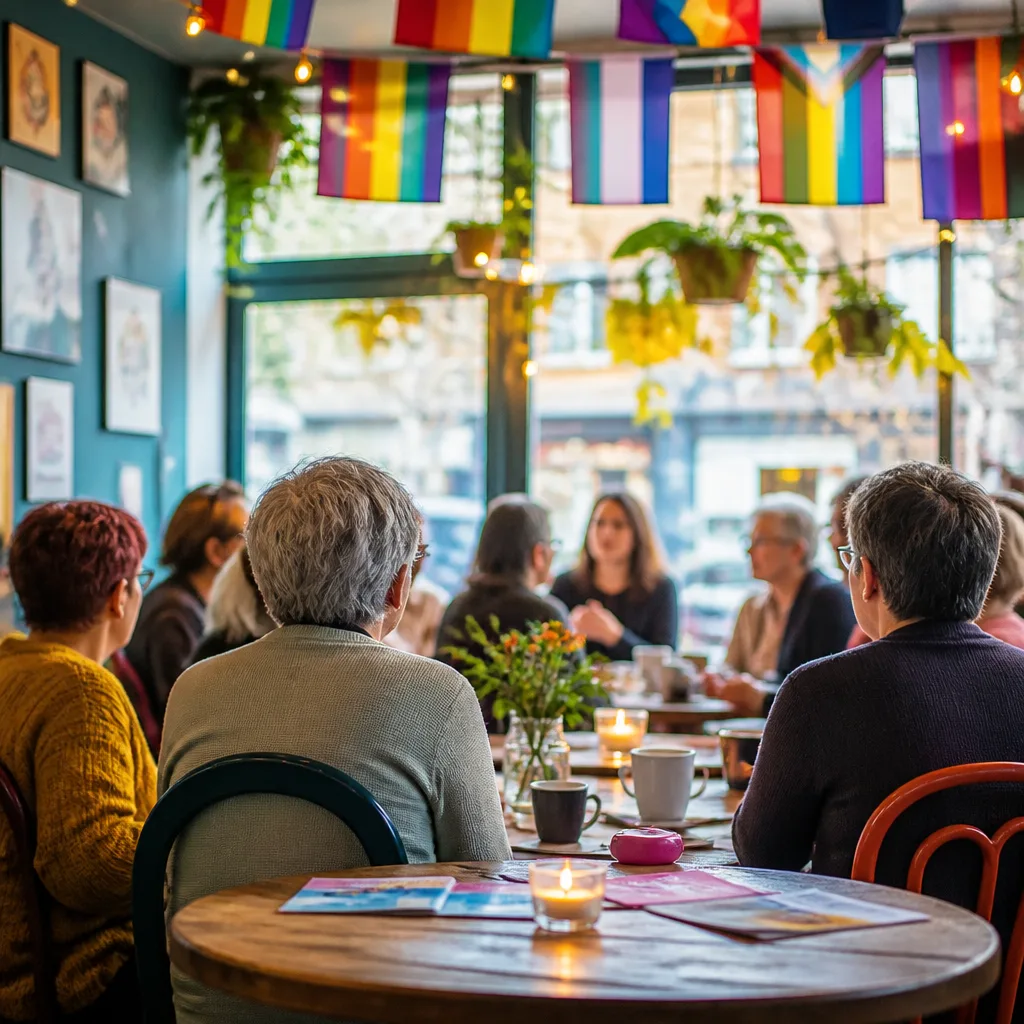
On a cool June evening in an Oak Lawn coffee shop festooned with pride flags and plants, strangers gathered to speak plainly about an often-avoided subject: dying. The meeting was one of a growing number of community Death Cafes springing up across the United States, where people meet simply to talk about the end of life.
What is a death doula?
Prompted by conversations at events like that cafe, a new cohort of non-medical advisers has emerged to help people and families prepare for death. Often called death doulas, these practitioners provide emotional, practical and logistical support during the final phase of life, but do not deliver medical care.
Unlike hospice nurses or doctors, death doulas focus on advance planning, difficult conversations, advocacy and companionship at the bedside. They may guide people through paperwork, help families understand options, or simply sit with someone in their last days.
"Who will care for me at the end of my life?"
That question, posed by a young attendee at the Oak Lawn gathering, captures why interest in death doulas has swelled: people want personalised support that traditional healthcare roles do not always provide.
Rapidly expanding but unregulated
Several practitioners in North Texas told The Dallas Morning News that demand for their services has accelerated as families seek tailored assistance outside formal medical channels. Yet the sector remains in what many describe as uncharted territory.
- No state licensing currently governs death doulas.
- No universal training or certification standards exist, though professional guilds have developed best practices.
- Clients usually pay privately; doulas set their own fees and business models.
For many who work in the field, the role is vocational — a calling rather than a conventional job. Practitioners often combine education about dying with hands-on support for families.
How death doulas differ from medical staff
Clarity about roles is important for families navigating care at life’s end. The following table summarises the commonly reported distinctions between death doulas and clinical professionals, based on reporting from North Texas practitioners and community gatherings.
| Role | Typical focus | Medical care? |
|---|---|---|
| Death doula | Emotional support, planning, advocacy, companionship | No |
| Hospice nurse / clinician | Symptom control, clinical interventions, medical oversight | Yes |
Because duties and qualifications vary, families are advised to ask prospective doulas about their training, experience and fees before engaging their services.
Consequences for families and the sector
The expansion of death doulas raises practical and ethical questions. On one hand, the availability of non-clinical support can fill gaps in emotional care, help demystify planning and reduce isolation at the end of life. On the other, the absence of regulation means consumers must navigate a marketplace with inconsistent standards.
Practitioners and advocates have developed voluntary codes and guidelines through professional associations, but those do not carry legal force. Because services are generally paid for directly by families, access may be uneven depending on household finances.
As more people seek open, community-based conversations about dying — from Death Cafes to workshops and one-to-one support — the role of non-medical end-of-life advisers is likely to remain in the spotlight. Policy-makers, health systems and communities may increasingly be asked how best to integrate, recognise or regulate these services to protect families while retaining the compassionate, personalised element many value.
This is an evolving area of practice and public interest. Those curious about preparing for the end of life may find local Death Cafes a low-cost way to begin the conversation, and should weigh questions about training, scope and cost when considering a doula.














