FIFA has stepped back from a proposal to sell about a fifth of a commercial vehicle holding the rights to its flagship tournaments after an unexpectedly sharp backlash from national associations, continental bodies and supporters.
Rapid reversal after high‑stakes proposal
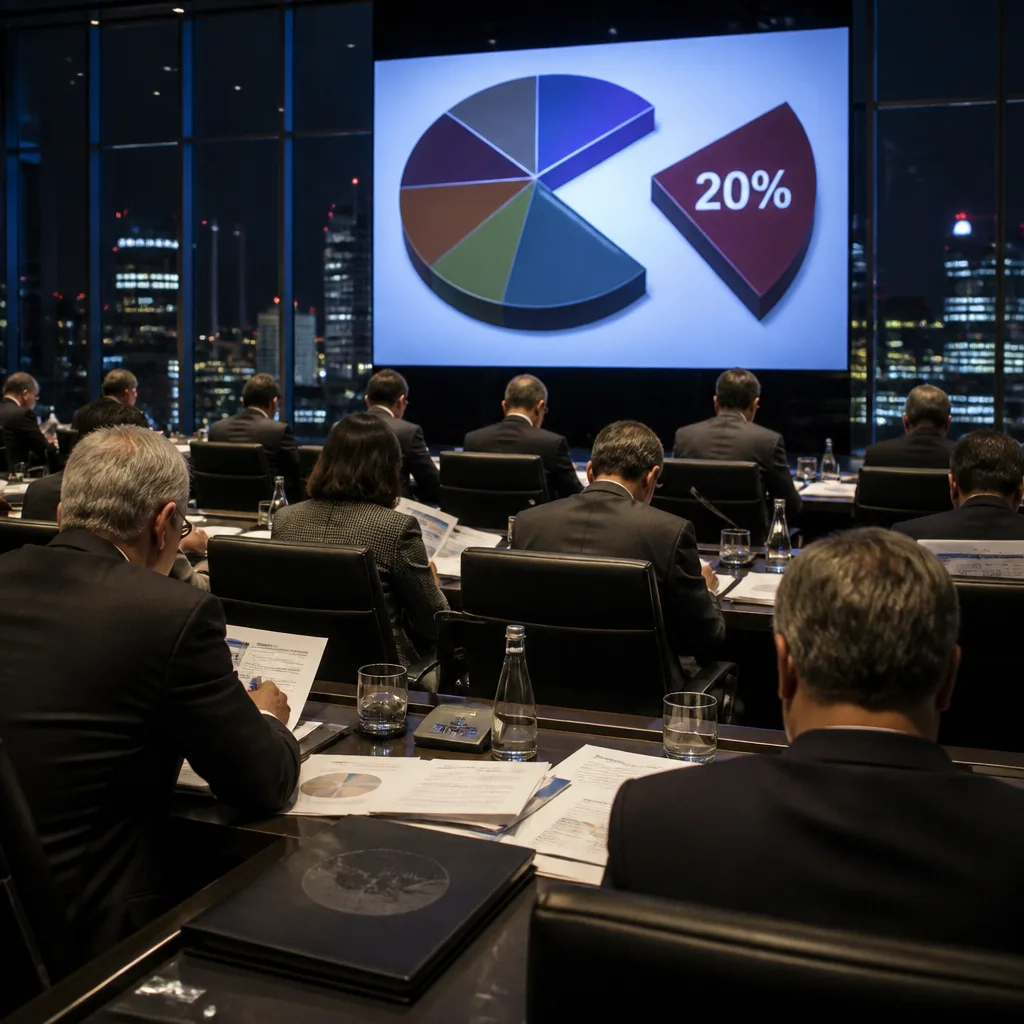
The plan, announced late July, would have transferred roughly 20% of the newly created commercial entity to private investors led by the venture capital firm Thrive Capital. The investment vehicle — described by FIFA as a company that would hold future commercial rights for tournaments including the World Cup — was valued in public reporting at near US$20 billion.
Within days the proposal collapsed. Member associations rejected the deal and a crisis summit in Morocco concluded with senior officials demanding answers. In an extraordinary sequence, FIFA set a deadline for associations to claim a share of proceeds (reported at roughly US$20 million each) before the plan was abandoned and the president apologised.
| Date | Event |
|---|---|
| 28 July | FIFA announces plan to sell ~20% stake to investors led by Thrive Capital |
| 29 July | Deadline set for associations to claim proceeds (~US$20m each) |
| Early August | Proposal revoked after revolt; crisis summit in Morocco; president apologises |
Who opposed and why it mattered
The strongest public opposition came from UEFA, which framed the deal as crossing a fundamental line for sporting governance and said it had lost confidence in FIFA’s leadership. UEFA warned it would boycott future iterations of the World Cup if the model proceeded.
“that football’s governing institutions should never cross”
Critics argued the sale risked turning the World Cup — a global sporting festival watched and attended by millions — into an asset primarily shaped by private investors. For many national associations and fan groups the issue was not whether FIFA could generate revenue, but what the tournament should be: a broadly held public good or an investment vehicle prioritising returns for shareholders.
Political and reputational fallout
The episode has provoked an unusually public governance crisis at the top of world football. Calls for change at senior levels followed the decision, and even political figures weighed in: a prominent US political personality publicly defended the FIFA president, warning that replacing him would be “a terrible mistake.”
The prospect of private investors taking a significant, long‑term stake in World Cup revenues struck a nerve because of the scale of future broadcasting and sponsorship income attached to the tournaments, and because the proposed investor consortium included high‑profile names.
- Member associations objected to ceding a long‑term share of competition revenues.
- UEFA threatened boycott and said it had lost confidence in FIFA leadership.
- FIFA briefly set financial terms for associations before withdrawing the plan and offering an apology.
What happens next
Uncertainty remains over how FIFA will fund future development and whether alternative commercial models will be proposed. The swift collapse of the plan demonstrates the limits of top‑down deals for a sport with powerful continental confederations and passionate supporter bases. It also leaves unanswered questions about governance reforms, transparency of commercial negotiations and the relationship between the global governing body and its members.
For now, the World Cup’s commercial future is back in public hands — and the episode is likely to shape debates about how football’s revenues should be managed for years to come.