
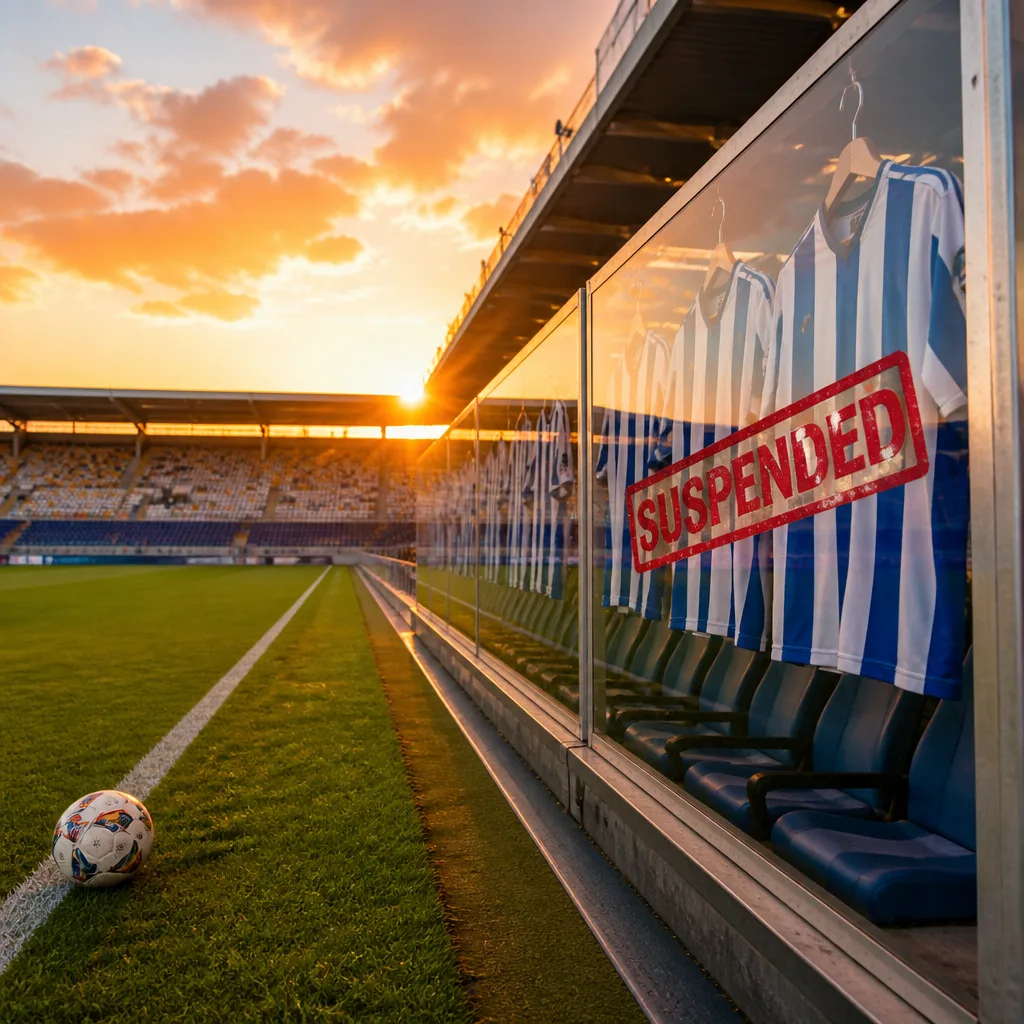
FIFA has approved a request from the Argentine Football Association (AFA) to allow bans imposed after the World Cup final to be served in international friendlies, reducing the period during which key players and staff will be unavailable for selection.
What has changed
The decision affects several sanctions handed down following post-match misconduct during the World Cup decider. Midfielder Leandro Paredes was given a 10-game suspension and fined £66,500. Team-mates Nahuel Molina and Thiago Almada, together with interim coach Roberto Ayala, also received bans: Molina seven games, Almada one game and Ayala three games.
Those suspensions were originally to be served only in competitive fixtures, a stipulation that posed a practical problem for Argentina because the national team has no scheduled competitive match until the 2028 Copa América. With the new ruling, the AFA will be able to use Class A friendlies — official international matches that count for rankings — for players and staff to serve their penalties.
Practical impact on availability
Argentina currently have a window of up to six international fixtures before the end of the year. European nations, for example, will face a merged September and October international break offering four matches, followed by a two-game November window. That schedule creates opportunities for some suspended individuals to return earlier than under the original terms.
- Almada and Ayala could be available again as early as October if friendlies are used to serve their bans.
- Molina would still have one match outstanding to serve in 2027, most likely during the March internationals.
- Paredes would still be required to miss a further four internationals — potentially distributed over the March and June windows next year.
Wider sanctions and AFA response
In addition to the individual punishments, the AFA was fined £237,000 for multiple incidents during the World Cup and ordered to stage its next home fixture at half capacity. The federation has indicated it hopes to secure further reductions to the penalties.
The disciplinary measures followed several high‑profile incidents in Qatar, including post‑final confrontations and earlier demonstrations by supporters. One notable episode during the tournament saw Argentina players display a banner asserting sovereignty over the Falklands after their semi‑final victory over England; that display formed part of the case against the AFA.
| Person | Initial ban | Fine | Possible earliest return under friendlies rule |
|---|---|---|---|
| Leandro Paredes | 10 games | £66,500 | Still misses ~4 matches (likely March/June 2027) |
| Nahuel Molina | 7 games | — | One match remains (likely March 2027) |
| Thiago Almada | 1 game | — | Could return as early as October |
| Roberto Ayala | 3 games | — | Could return as early as October |
Political and sporting ramifications
The move to allow bans to be served in Class A friendlies reduces the immediate sporting impact of the sanctions but does not remove the fines or the reputational damage associated with the episodes at the World Cup. For Argentina, the ruling offers a pathway to field more of their senior personnel during upcoming international windows, potentially limiting disruption ahead of important competitive cycles.
At the same time, the AFA’s appeal and hope for further reductions make it likely the matter is not yet closed. FIFA’s permission to count friendlies for these suspensions is an operational concession; whether it will satisfy critics who argued for sterner punishment is another matter entirely.
The redirected suspensions also highlight a broader issue in international football governance: when sanctions are tied strictly to competitive fixtures, national teams with long gaps between competitive appearances can see disciplinary measures take effect years after offending conduct. FIFA’s decision offers a pragmatic workaround but will draw scrutiny from associations and fans keen to see sanctions that are both timely and proportionate.









