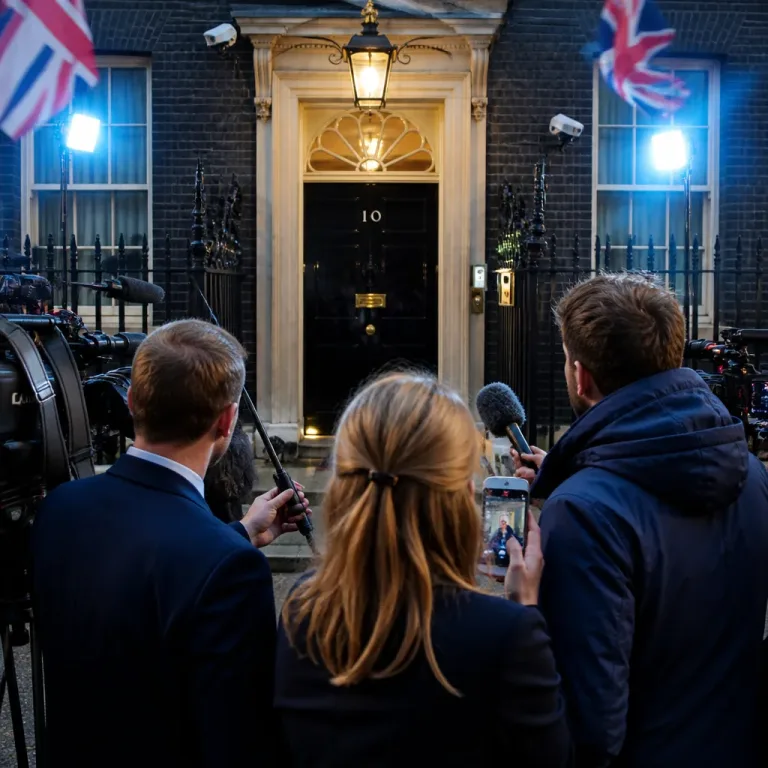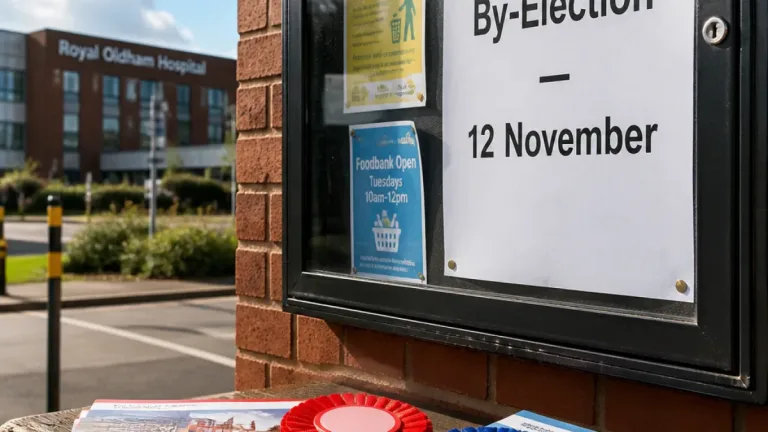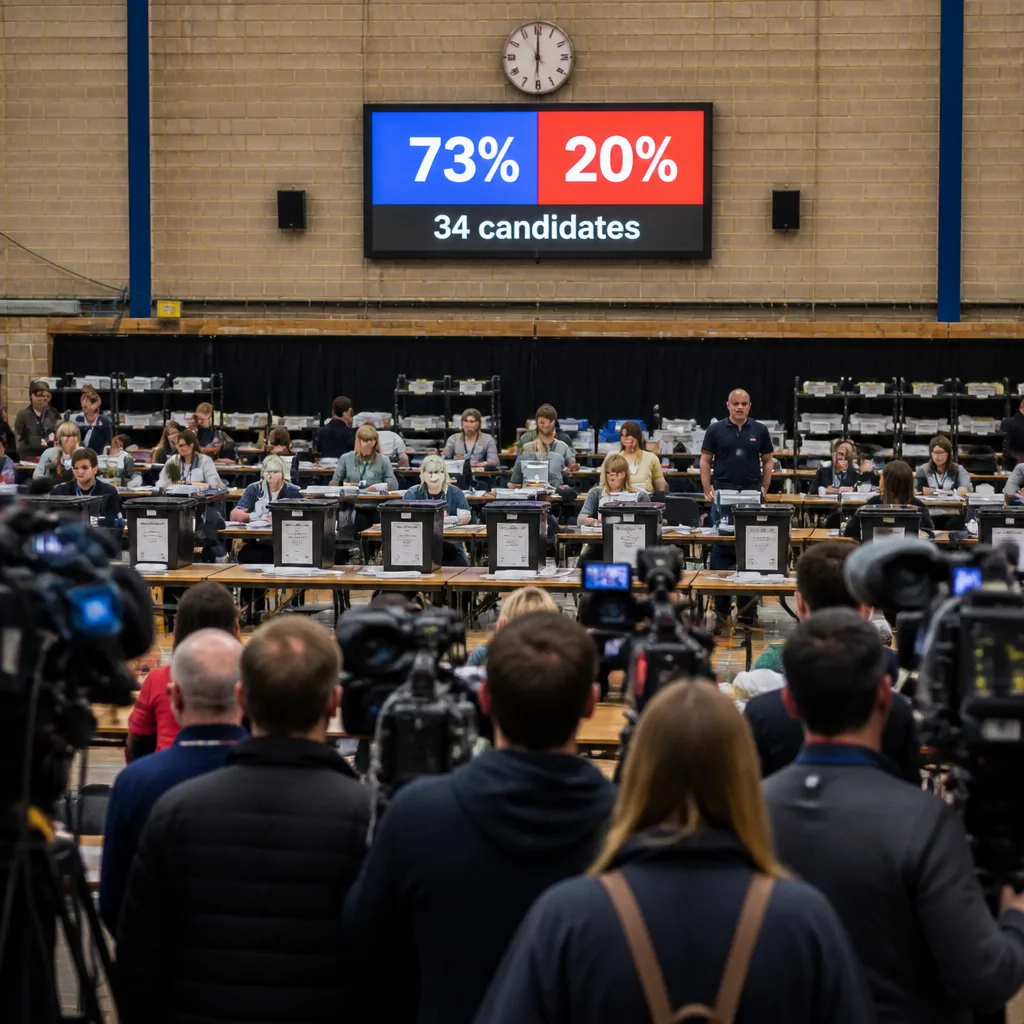
The count for the Clacton by‑election is expected to run from Thursday night into Friday morning, with more than 100 journalists accredited to cover proceedings, the returning officer has said.
International spotlight on a local contest
The campaign has attracted coverage beyond the UK. News organisations in the United States, India, Canada and Thailand have reported on the contest, reflecting the high profile of the principal candidate, who resigned the seat just over a month ago.
The contest pits Nigel Farage, leader of Reform UK, against a field of 34 candidates. The size of the field makes the timing of a definitive result hard to predict, organisers warned.
- Journalists accredited: more than 100 (broadcast and print).
- Candidates: 34 on the ballot.
- Key poll: Survation gives Mr Farage 73% to Count Binface's 20% once undecided voters are excluded.
What the numbers mean — and what they do not
A Survation poll cited during the campaign places Mr Farage substantially ahead of his nearest named rival once undecided voters are removed from the sample. The poll does not, however, account for all possible shifts in turnout or the impact of a crowded field.
Mr Farage won almost half the vote when he secured the seat at the 2024 general election. That previous result remains the most recent direct benchmark for his local support.
| Item | Figure |
|---|---|
| Journalists accredited for count | 100+ |
| Number of candidates | 34 |
| Survation (excluding undecideds) | Farage 73% vs Count Binface 20% |
Political stakes and precedent
Mr Farage quit as Clacton MP a little over a month ago and has framed the by‑election as a personal contest against what he describes as "the Establishment", a phrase he used repeatedly on the campaign trail. His decision to resign has prompted questions from many observers about the purpose of the contest even if he wins by a large margin.
Campaign observers have drawn a comparison with a notable by‑election in 2008. That contest followed the resignation of David Davis as Conservative MP for Haltemprice and Howden over counter‑terrorism detention proposals. Sir David Davis won the subsequent by‑election with a majority of 15,355, securing 72% of the vote, up from 47.5% at the 2005 general election, after some parties chose not to stand.
Practical complications and possible consequences
Counting is likely to be protracted because of the number of candidates. Electoral officials have warned that, with 34 names on the ballot, returning a result could stretch into the early hours.
Separate to the immediate result, commentators have flagged a further complication: if Mr Farage were found to have breached parliamentary rules, that could in turn precipitate another by‑election in Clacton. Election law specialists say such findings can trigger additional electoral processes, though no formal ruling has been announced in this case.
"Farage left fighting a trash can as the UK populist leader’s election gamble backfires," a US media outlet headlined while covering the story.
That headline reflected the tone of some international coverage. Domestically, campaign material, local campaigning dynamics and turnout will determine the practical outcome at the ballot box.
For now, the count will be closely watched. A strong victory for Mr Farage would solidify his local mandate but leave lingering questions about the rationale for the resignation. A weaker than expected showing would offer political opponents fresh ammunition and intensify scrutiny of his decision to force a by‑election.
The returning officer will announce timing details for the count, and media who have registered for access will be present as postal votes and ballot papers are tallied.