
Formula 1’s move to mandate Advanced Sustainable Fuels for the 2026 season has triggered a concentrated effort by teams and technical partners to redesign not only power units but the very fuels that feed them. The shift follows an overhaul of regulations and arrives as the sport presses towards its stated goal of being Net Zero by 2030.
What the change means
Prior to the 2026 rules reset, F1’s turbo‑hybrid power units already used a biofuel component — a 10% ethanol blend — and were widely regarded as among the most efficient engines in motorsport. The new mandate, however, requires the use of fuels derived from sources such as carbon capture, municipal waste and non‑food biomass. These so‑called “drop‑in” fuels are intended to be compatible with existing engine architecture, avoiding internal modifications while offering a pathway to lower lifecycle emissions.
Engineering and testing overhaul
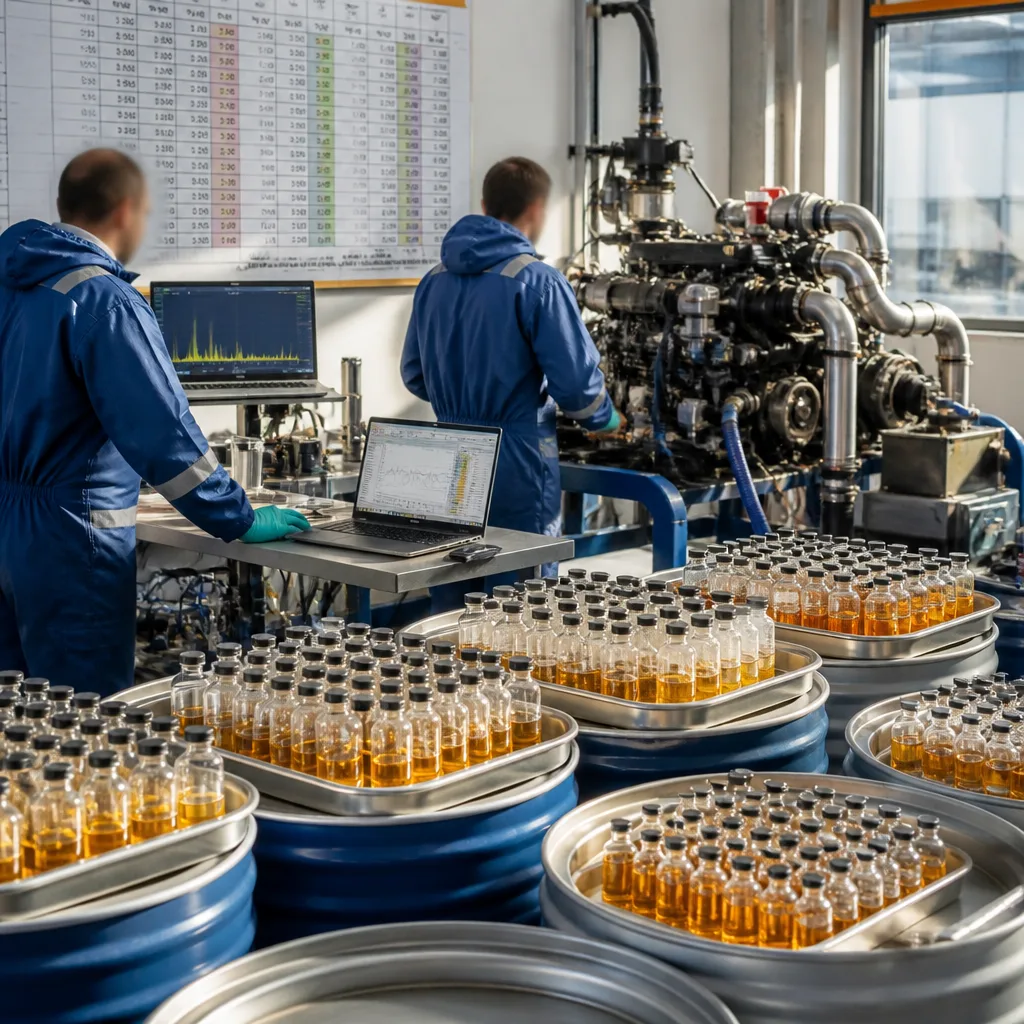
The adoption of novel fuel chemistries has not been a simple plug‑in task. Engine manufacturers and their fuel suppliers have had to reassess which molecular components and additives perform reliably under the extreme demands of F1. One major manufacturer, Audi, worked closely with BP to evaluate a vast array of options during the run‑up to the Barcelona shakedown in January.
According to the parties involved, the programme included:
- assessment of 70 distinct fuel components;
- production of about 400 pilot fuel samples;
- testing of roughly 200 fuel blends in Audi’s new power unit;
- delivery of approximately 240,000 litres of test fuel to Audi’s Neuburg facility.
| Activity | Scale |
|---|---|
| Components assessed | 70 |
| Pilot fuel samples | 400 |
| Test blends | 200 |
| Litres delivered to test facility | 240,000 |
Technical and practical challenges
BP’s motorsports technology lead, Luc Jolly, described the dual complexities facing the partners: new manufacturers and new regulations, together with the requirement to use sustainable molecules that often differ from the fossil‑derived components historically relied upon in Formula 1. In short, established fuel recipes could not be reused; teams have effectively been rebuilding fuel formulations from first principles to find what best suits each engine design.
“There are two things here,” said Luc Jolly, explaining the combined challenge of integrating a brand‑new power unit and the shift to sustainable fuels.
The practical consequences are substantial. Engines operate at extremely high temperatures and loads; a fuel must not only deliver peak power and driveable torque but also protect components and preserve reliability over race distances. The various permutations of novel feedstocks, molecular structures and additive packages mean there is no single off‑the‑shelf solution.
Broader implications
Beyond the paddock, the development work carries wider significance. Because the mandated fuels are intended to be drop‑in replacements, the research has potential spill‑over into road‑vehicle applications, where manufacturers and fuel suppliers are likewise seeking lower‑emission options without wholesale changes to engines and distribution infrastructure.
At the same time, the pace and intensity of the F1 programme underline the sport’s role as an engineering laboratory. The concentrated testing and high‑stakes performance environment compress development cycles, pushing suppliers and constructors to iterate quickly. How efficiently those innovations translate to consumer‑scale fuels — and how they perform across varied global supply chains — will be crucial to assessing their broader climate and industrial impact.
For now, teams and their partners continue to refine blends and match them to freshly designed power units, with the opening races of the 2026 era serving as a proving ground for both performance and endurance under race conditions.









