
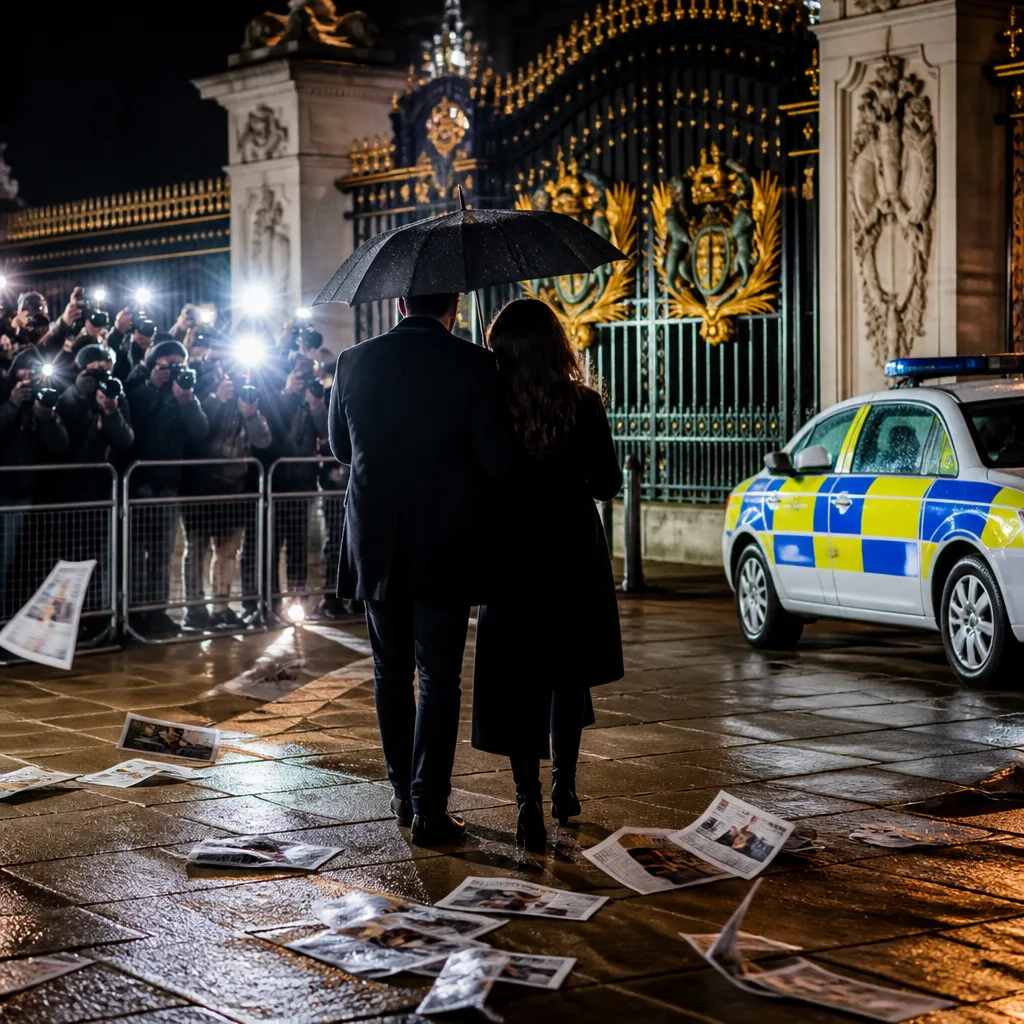
Earl Spencer has said recent press coverage of the Duke and Duchess of Sussex mirrors the treatment his sister, Diana, Princess of Wales, received and described that influence as “cancerous”.
In an interview due to be broadcast by the BBC on Sunday evening, Spencer urged people to learn from Diana’s experience and voiced concern that the Duke of Sussex — currently the fifth in line to the throne — may be without police protection. He said his perspective is shaped by witnessing his sister’s death and by a desire to protect family members who have served in the military.
Spencer draws direct parallels with Diana’s treatment
Spencer told the broadcaster that tabloid articles aimed at Diana or at the Sussexes could be “really, really unpleasant” and that witnessing the daily attacks would have been severely damaging. He said Diana had been “really brought low” by the criticism she received and that it was a pity to see “echoes of that” in how the couple are covered.
“If you look at an article in a tabloid about Diana or the couple that you were mentioning, Harry and Meghan, you know, they can be really, really unpleasant. And I think it would be really beholden on people to learn from Diana’s example.”
Spencer added: “I would say that I personally worry about the fifth in line to the throne who’s served in the military not having any police protection.” He said his experience of seeing his sister die in “very, very preventable circumstances” informs his instinct to favour protection.
Accusations against the king and palace response
The interview follows a row in which Spencer accused King Charles of gaslighting him over comments in a new memoir about Diana. Spencer’s memoir contains allegations that prompted a response from Buckingham Palace, which cautioned that “the pain of fraternal grief can cloud reason.”
Spencer described the palace’s reaction as “astonishingly provocative and below the belt”, saying it sought to imply he had lied without giving the king a proper way to deny his account. He criticised the wording of the palace statement and compared it unfavourably with the more measured phrase “recollections may vary”.
| Claim | Speaker |
|---|---|
| Press coverage of Harry and Meghan echoes treatment of Diana; is a “cancerous influence” | Earl Spencer |
| Concern over a senior royal (fifth in line) lacking police protection | Earl Spencer |
| Palace response that “the pain of fraternal grief can cloud reason” | Buckingham Palace |
Implications for public debate and royal security
Spencer’s remarks re-open arguments about press standards, the privacy of royal figures and the state’s role in providing security to those close to the throne. The comparison to Diana is likely to amplify scrutiny of tabloid behaviour, at a time when the relationship between sections of the media and members of the royal family remains fraught.
Those debates touch on legal, political and operational questions: what protections should be afforded to royals who step back from official duties, how media outlets are held to account, and how institutions respond to competing accounts from senior figures. Spencer’s lament that Diana was “brought low” will resonate with campaigners and families who say press intrusion can have profound human costs.
- Family safety: Spencer urges consideration of protective measures for royals who have served in the armed forces.
- Media conduct: His comparison escalates calls to examine tabloid reporting practices and their personal impact.
- Palace relations: The exchange highlights tensions between Spencer and the royal household after publication of his memoir.
Broadcasters and journalists will be watching the full interview for further detail, while commentators say Spencer’s voice carries weight because of his close family connection to Diana. Any fresh assertions in the programme are likely to prompt further comment from royal aides and media organisations in the days ahead.















