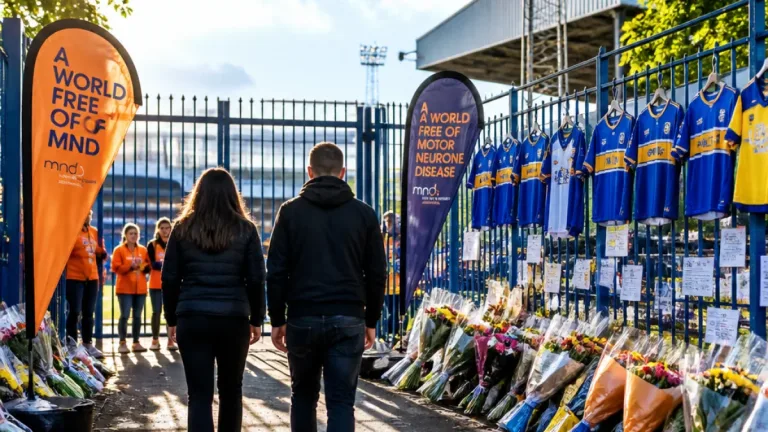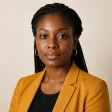
Jason Arday, the sociologist who became one of the most visible black figures in British academia after his appointment to Cambridge, has died. Authorities described the death as "unexpected and not suspicious".
High profile appointment and intense scrutiny
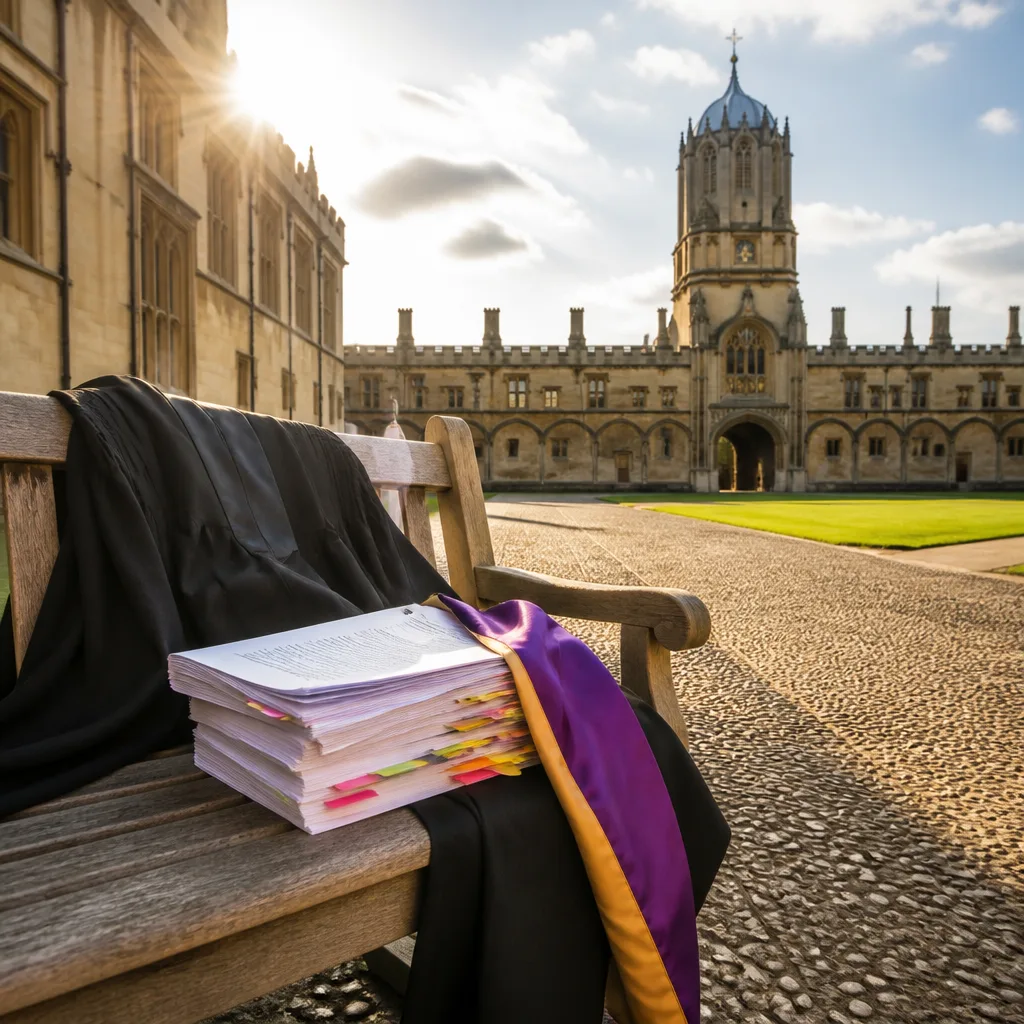
Arday's elevation to a professorship at Cambridge in 2023 was widely celebrated: he was the youngest black professor at the university at the time, a rare position in a sector where representation is limited. The prominence of his appointment reflected wider debates about race, inclusion and the post-Black Lives Matter drive to diversify curricula and staff in UK universities.
But in July 2026 the spotlight shifted to questions over the integrity of parts of his scholarly work. Allegations emerged that portions of his PhD research, awarded by Liverpool John Moores University, had been plagiarised — a charge that, if substantiated, would strike at the core of academic trust.
"unexpected and not suspicious"
Arday denied the claims. Liverpool John Moores University, after carrying out a review, said it continued to stand by the quality of the research that led to his doctorate. He offered an explanation that any lapses in attribution were linked to his autism, according to reporting of his responses during the controversy.
Divisions across the sector
The episode prompted intense discussion across social media, in newspapers and inside universities. Some colleagues and supporters publicly defended Arday, emphasising his personal story and the barriers he had overcome. Others, including academics who have called for rigorous standards in scholarship, said the questions raised warranted thorough investigation.
For many at elite institutions, allegations touching on research integrity represent a fundamental concern. Several members of the academic community urged Cambridge to commission an independent inquiry, arguing the university's reputation for rigorous scholarship could be damaged unless the matter was resolved transparently.
What is at stake
The case brought together multiple national conversations: the under‑representation of black scholars in senior academic ranks, the need to protect standards of research, and how universities handle high-profile disputes.
- Representation: Black professors remain a very small minority in UK higher education; Arday's Cambridge role was symbolically significant.
- Integrity: Allegations over research attribution prompted calls for independent scrutiny and highlighted how quickly academic debates can enter the national spotlight.
- Institutional response: How Cambridge and other universities address disputes about scholarship could shape public trust in research and governance.
The public airing of the controversy is unusual for research disputes, which more commonly remain confined to internal processes. That it played out at Cambridge — an institution regarded internationally for academic excellence — intensified media and academic attention.
| Fact | Detail |
|---|---|
| Appointment to Cambridge | 2023 |
| PhD awarded by | Liverpool John Moores University |
| Representation of black professors | Reported as barely 1% of professors in UK universities |
Arday was also known for his personal narrative: accounts of growing up autistic and non‑verbal until later childhood were central to his public profile, and helped make him a prominent voice on issues of social mobility and disability within education.
The university sector and observers will now be watching how Cambridge and other institutions respond. Questions remain about any further reviews or inquiries, and how universities balance protecting academic standards with supporting staff who are highly visible and from under‑represented backgrounds.
As the immediate aftermath of the death unfolds, the debate that preceded it — over scholarship, accountability and representation — is likely to continue to reverberate through UK higher education.