
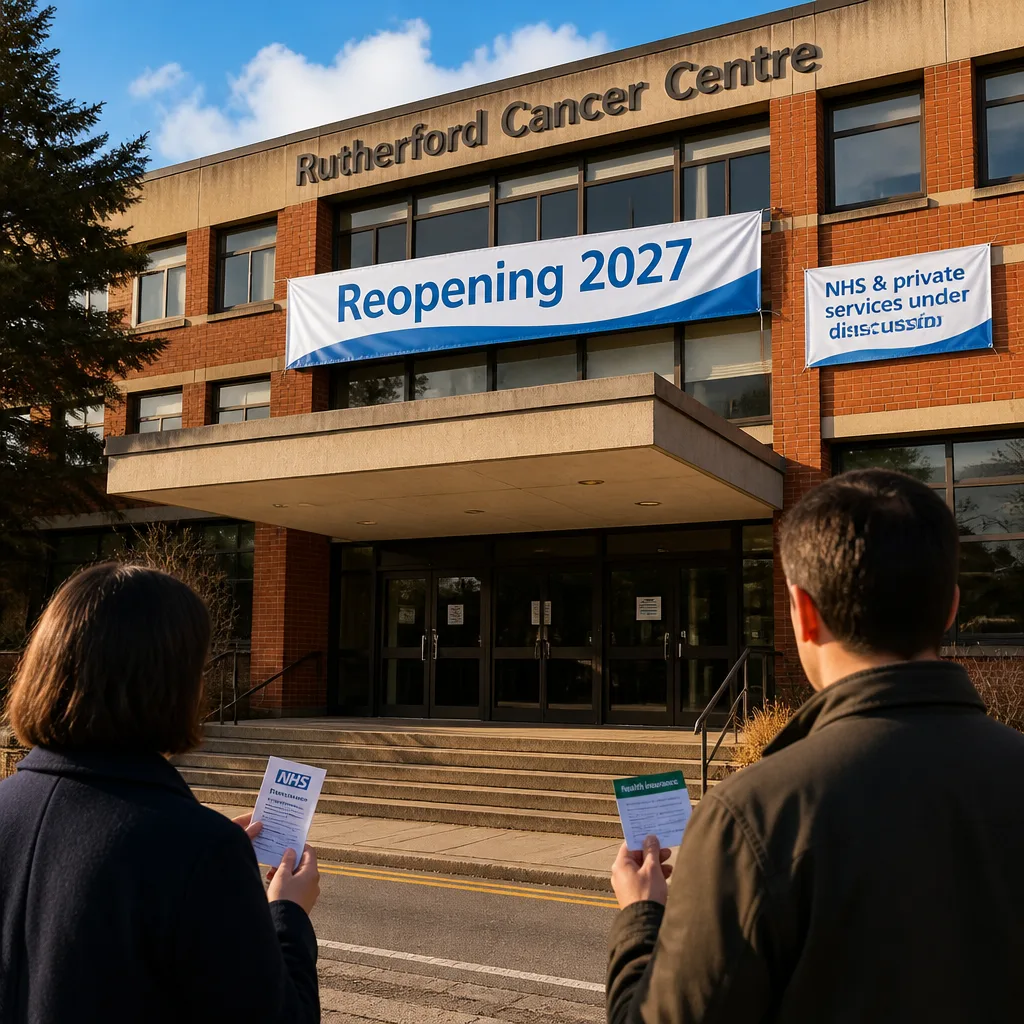
The Rutherford Cancer Centre, which shut after its previous operator ceased trading in 2022, is set to reopen under new ownership, the centre's future now planned to be revived by Australian healthcare group Icon Group.
From opening to closure — and a planned return
The centre originally opened in 2018 with advanced treatment facilities and high expectations but was left empty after the company running it went out of business four years later. Icon Group, which already operates several clinics in the UK, has said it intends to reopen the same premises by 2027.
| Year | Event |
|---|---|
| 2018 | Rutherford Centre opened offering advanced cancer treatments |
| 2022 | Operator closed, building left unused |
| 2027 | Icon Group aims to reopen the centre |
What the new owners say and what it could mean
Icon's Group CEO, Mark Middleton, confirmed the company plans to use the existing building and expressed a clear interest in working with the NHS as well as treating private patients. He framed such arrangements as part of the response to pressures on cancer services.
"We believe in access for everyone, and we also believe in the great strength of public-private partnerships."
"I see really no reason why those partnerships can't be part of the solution for the wait times for cancer care in the UK."
Those statements underline the company's strategy of offering care to both NHS and private patients. The Rutherford site had previously mixed NHS contracts with private work, and Icon's remarks suggest a similar blended model could be pursued.
Context: capacity, waiting times and caution
Doctors and campaigners have repeatedly warned that patients are experiencing delays in diagnosis and treatment for cancer. Reopening a previously equipped centre may help increase local capacity, but the wider impact will depend on the scale and nature of any NHS arrangements that are agreed.
Public–private partnerships in health have been used in a variety of forms across the UK, but they attract differing views. Supporters argue they can rapidly expand capacity and access to specialist care; critics caution about long-term reliance on private providers and the potential for fragmented services.
- Facility reuse: reopening avoids costly new construction and can restore services faster.
- Mixed provision: Icon proposes to offer both NHS and private patient pathways.
- Timescale: the company aims to open by 2027, leaving several years for planning and negotiation.
How local health authorities and NHS commissioners respond will determine whether the site contributes materially to shorter waits or primarily serves private patients. Clear contractual terms, oversight and integration with local cancer networks would be required to ensure patient pathways are seamless.
Uncertainties and next steps
At present the announcement sets out intent rather than firm contractual commitments. Important details — including the scope of any NHS contracts, expected patient volumes, staffing plans and how new services would integrate with existing local provision — have not been published.
For patients and campaigners, the prospect of additional treatment capacity is welcome, but the outcome will hinge on whether public and private partners can agree arrangements that deliver timely, equitable access. The coming months are likely to see discussions between Icon, NHS commissioners and local stakeholders as plans are worked up towards the company's stated 2027 opening target.
This development will be watched closely by clinicians and policy makers as one example of how non-NHS providers are being invited to expand cancer services in England and beyond.









