
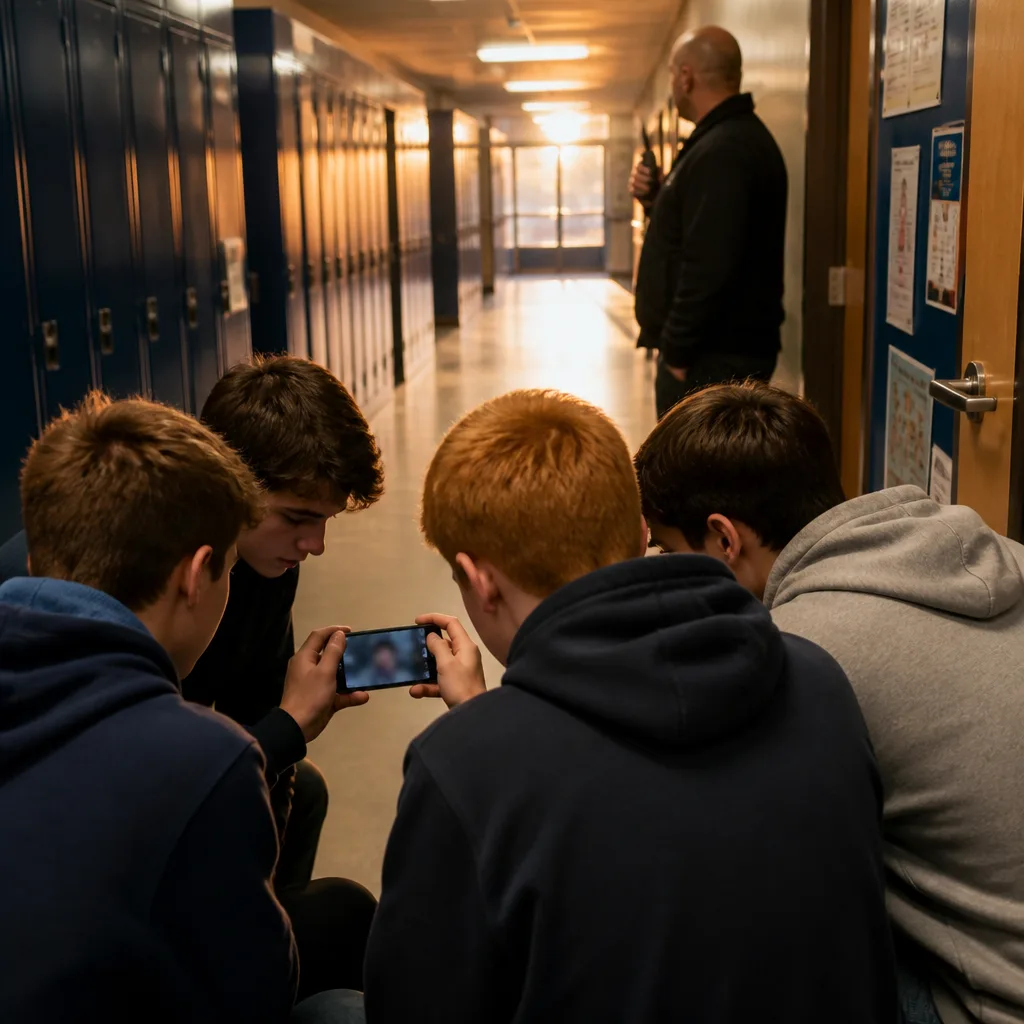
Referrals to the government's Prevent scheme have climbed substantially, yet the programme is routinely closing cases in which children are preoccupied with violent acts but do not adhere to a recognisable extremist belief, the children's commissioner has warned.
"fixated on violence without a clear ideology"
Dame Rachel de Souza said the growing number of referrals of under-18s who are drawn to violence — including attacks inspired by school shootings and other mass-casualty incidents rather than an extremist creed — exposed a gap in current safeguarding arrangements. Her report found that many such cases are being returned to schools with no further action by Prevent.
Numbers and patterns
Data cited in the report show a rise in child referrals to Prevent from 2,918 in 2016-17 to 4,715 in 2024-25. The education sector accounted for the largest share of referrals in the most recent year, with around 60% coming from schools and other education providers.
| Year | Child referrals to Prevent |
|---|---|
| 2016-17 | 2,918 |
| 2024-25 | 4,715 |
The report highlights a shift in the nature of referrals: an increasing proportion involve youngsters displaying an interest in extreme violence without professing support for established extremist movements. Such presentations, Dame Rachel argues, do not fit neatly into the original purpose of Prevent, which was designed primarily to detect and divert people susceptible to radicalisation by extremist ideologies.
Human consequences and recent context
The commissioner's findings follow the high-profile killing of three girls at a dance class in Southport in July 2024. The attacker, aged 17 at the time, had been referred to Prevent three times between 2019 and 2021 because of an interest in terrorist attacks and school shootings, yet his case was closed on the grounds that he did not demonstrate a clear ideological adherence.
The Southport Inquiry has been examining how authorities should respond when the risk is driven by a fascination with extreme violence rather than a coherent ideological stance. The children's commissioner's report echoes concerns raised in that inquiry and calls for stronger safeguarding measures for this cohort of young people.
What the report recommends
Dame Rachel urges a rethink of how the state identifies and manages young people who pose a risk of extreme violence where ideology is not the primary factor. Among the points highlighted:
- Greater capacity within safeguarding systems to manage cases driven by a fixation on violence rather than radical belief;
- Improved links between schools, local authorities and specialised services to ensure sustained support for children after referral;
- A review of Prevent procedures and criteria to ensure those who do not fit the traditional extremist profile are not discharged without appropriate follow-up.
The report also calls attention to the role of the internet and social media in normalising and amplifying violent content, which can influence young people even in the absence of an ideological framework.
Government response and next steps
A government spokesperson said officials were reviewing the children's commissioner's report and were developing “further options to manage those fascinated with extreme violence”. No immediate policy changes were announced, but ministers face pressure to set out how they will bridge the gap between counter-extremism and child protection.
Prevent was established two decades ago to try to identify people at risk of radicalisation and intervene early, often by challenging extremist beliefs. The commissioner's critique now places the programme at the centre of a debate over whether its remit and tools remain fit for purpose given evolving threats to child safety.
Schools, local safeguarding partners and national agencies will need to consider how to respond to the report's findings, balancing the need to protect pupils with concerns about over-policing childhood behaviour. The outcome of the government's review will be watched closely by education leaders, child protection professionals and bereaved families still awaiting answers from the Southport Inquiry.















