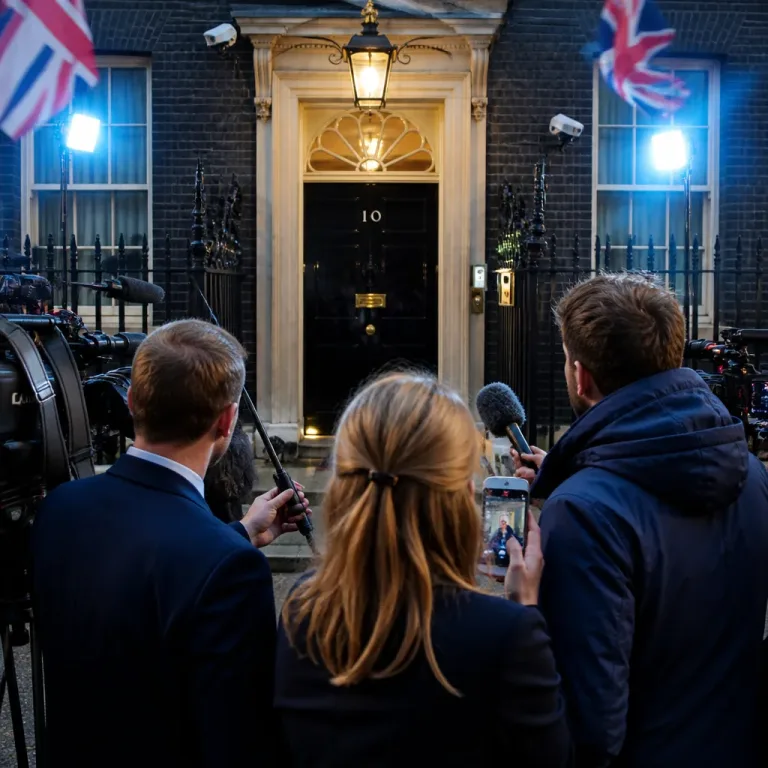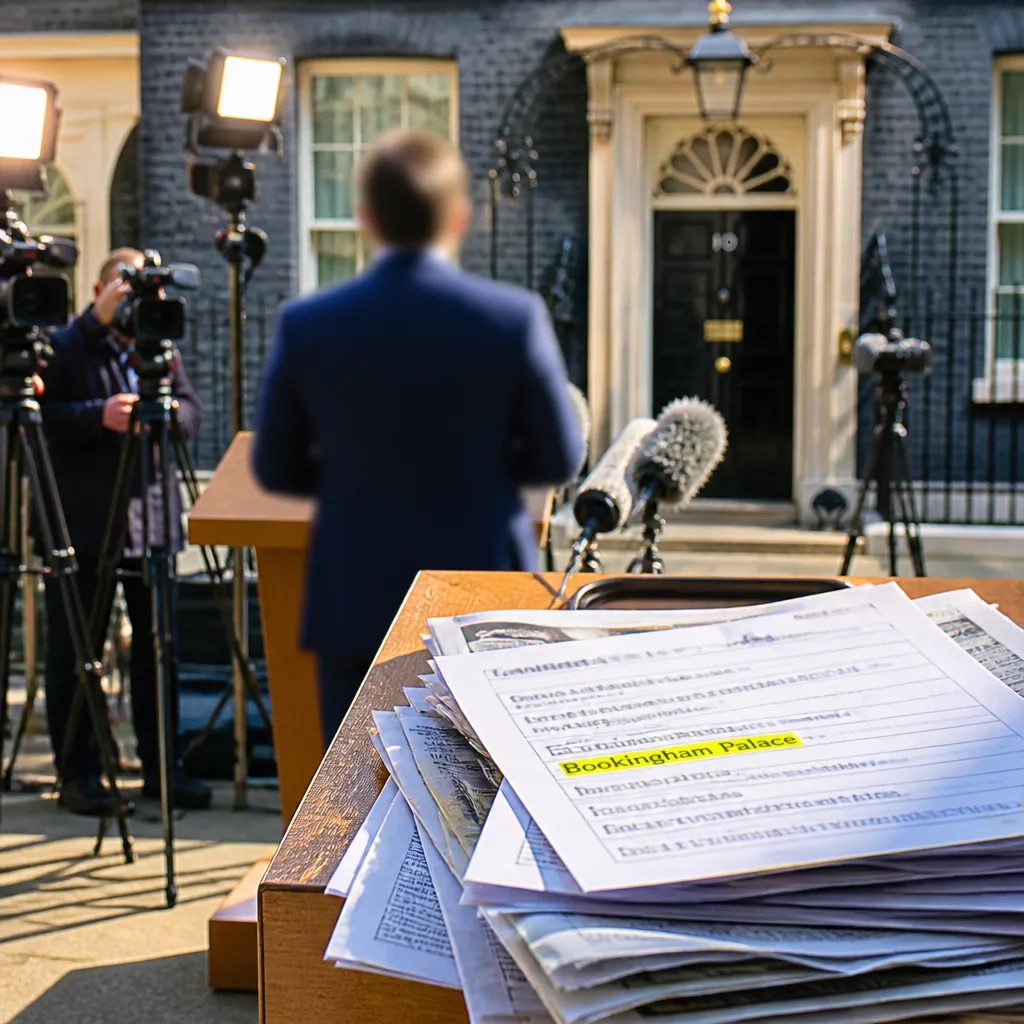
Andy Burnham’s first public remarks as prime minister immediately set tongues wagging — and transcribers puzzling — over the sound of his voice. Commentators and linguists noted pronunciations that more closely align with northern English speech than with the varieties traditionally heard from recent occupants of Number 10.
The most striking example came in an automatic transcript that rendered a line from his remarks as:
"I have just returned from Bookingham Palace,"
That rendering prompted wider attention because it highlights how certain vowel qualities in his speech differ from the Received Pronunciation familiar from many recent prime ministers. Geoff Lindsey of University College London told reporters that Mr Burnham "sounds like a northerner, much more so than anyone who has taken office at Number 10 Downing Street" in the era of recording.
Accent, identity and political signalling
The observation matters beyond phonetics. Accents have long been a marker of regional identity and social background in British public life. The way a prime minister speaks can shape perceptions of authenticity, relatability and authority.
Analysts pointed to two features picked up by speech-to-text software. One was the vowel quality in “Buckingham”, which the transcript returned as "Bookingham". The other was rhyming of words such as "class" with "gas", a pronunciation more commonly associated with northern varieties of English. These features combined to create an impression of a distinctly northern intonation in his delivery.
Mr Burnham’s vocal profile is notable because recordings of recent prime ministers have more commonly reflected southern, and in particular Received Pronunciation-influenced, accents. The increased visibility of regional speech at the highest office is therefore a departure that linguists say is unprecedented in the recorded era.
- "Bookingham" — automatic transcript rendering of “Buckingham”, signalling different vowel realisation.
- "Class" rhyming with "gas" — vowel quality noted as typically northern.
- Recorded-era firsts — experts say none of Mr Burnham’s predecessors in the age of recording exhibited this precise combination of features when taking office.
What the phonetics show
Phonetic specialists caution against over-reading single instances, but they also emphasise the political resonance of pronunciation at national moments. The choices a politician makes — whether deliberate or habitual — about how to sound are interpreted by audiences as cues about background, values and intended audience.
Mr Burnham’s speech therefore invites questions about how he will present himself in future communications, and whether his accent will be foregrounded in media coverage as a symbol of regional representation at the centre of government.
| Spoken word | Automatic transcript | Comment |
|---|---|---|
| Buckingham | Bookingham | Illustrates vowel realisation perceived as northern |
| Class / Gas | Class / Gas (rhyming) | Noted rhyme pattern aligns with northern pronunciation |
For political reporters and communicators, the practical implications are straightforward. Speech patterns will be tracked alongside policy and personnel as shorthand for a prime minister’s affinities and communicative strategy. For voters and commentators, the accent becomes part of the story of who is speaking and how he wishes to be heard.
As the new administration settles in, attention is likely to remain fixed on both what Mr Burnham says and how he says it. The vocal texture of leadership, as much as its substantive programme, can influence public reception. Linguists and political communicators will watch to see whether this northern inflection persists, softens or is adapted for different audiences.
Those questions are not new. But the immediacy of digital transcription and the ubiquity of on-demand video mean that every syllable is now analysable in real time — and that small phonetic differences are amplified into national conversation.