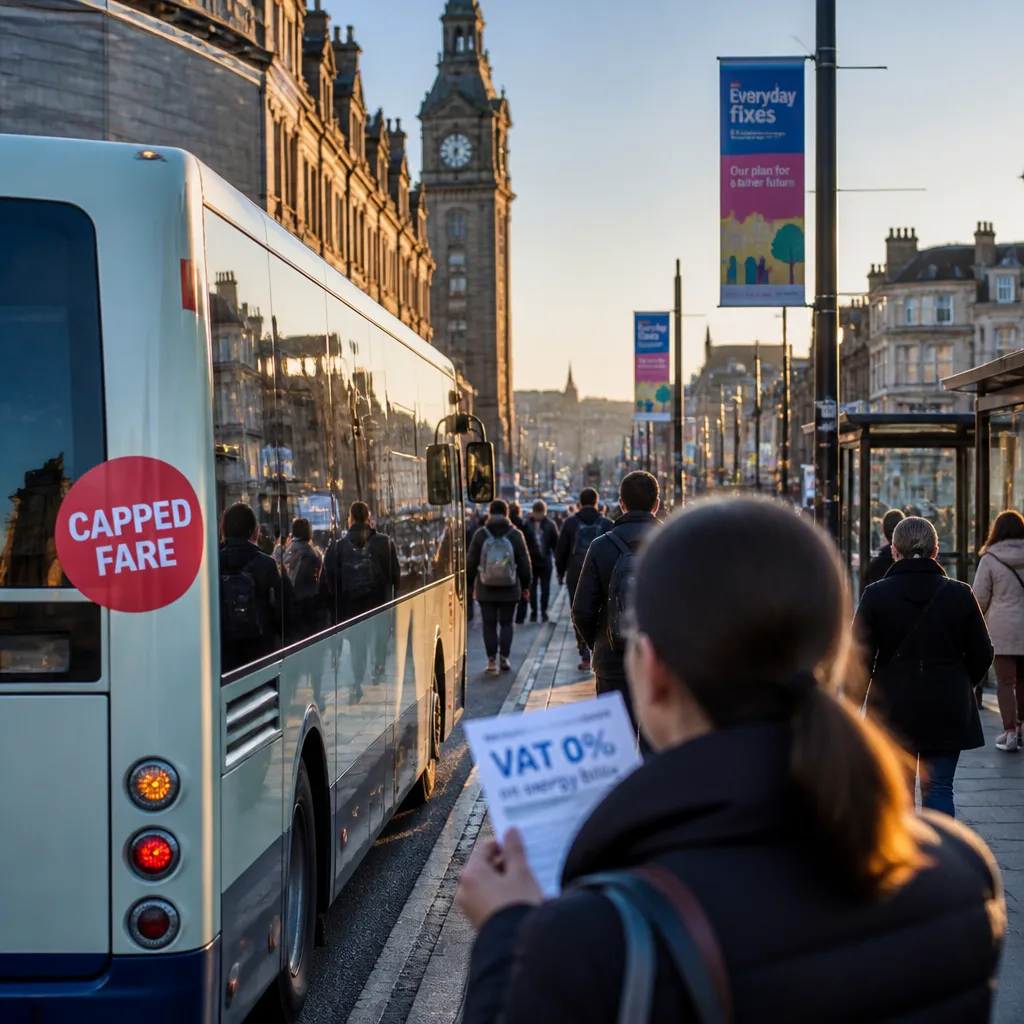
The new administration has embarked on a visible campaign of what it calls everyday fixes, rolling out modest but tangible interventions intended to confront irritation points for voters, senior aides and outside analysts say.
Small measures, political effect
The approach was prompted in part by a well‑known prompt from personal finance commentator Martin Lewis, who last year urged the government to find “100 small things that piss people off” and resolve them. Ministers framed follow-up action under a programme labelled everyday fixes, which has already produced a string of policy moves.
- VAT removed on electricity bills — presented as immediate relief.
- Bus fares capped — a direct cost-of-living measure for commuters.
- New proposals targeting high‑street signage, the concentration of vape and betting shops, and subscription services that renew automatically without clear warning.
Supporters say the strategy is designed to make clear that the government notices petty but persistent grievances and will act decisively to fix them. Critics warn that the measures are small in aggregate yet politically potent.
Political calculation and public perception
Labour strategists argue the programme is intended to create the perception that politicians are on voters’ side, a theme that resonates with public appetite for practical action as well as longer‑term structural reform. That message sits alongside the prime minister’s stated preference for a lighter touch in some areas of public life, creating an apparent tension between a desire for restrained government and a willingness to intervene on everyday irritants.
“Probably the best any government can do in the short run ... is gain the perception that they as politicians are on the voters’ sides,”
That assessment was made by pollster Peter Kellner, who has written on the difficulty of winning over what he calls “ungrateful voters”. He emphasised the political value of small measures even where financial sums are modest.
From nuisance to wider enforcement
Officials characterise some elements of the programme as an application of the so‑called broken window idea: tackling visible, low‑level problems to discourage broader anti‑social behaviour. Within the current package, policy attention ranges from aesthetic regulation of commercial signage to tighter local control over clusters of certain retail outlets.
| Policy area | Policy intent |
|---|---|
| Energy VAT | Immediate reduction in bills |
| Bus fares | Lower daily transport costs |
| High‑street regulation | Limit intrusive signage; curb concentrations of vape/betting shops |
| Consumer subscriptions | Tighter rules on auto‑renewal transparency |
Proponents say the measures serve two purposes: practical relief and a broader behavioural signal to businesses that their treatment of consumers is being watched. The moves also offer an electoral message to voters who complain of daily annoyances but may not be swayed by high‑level economic arguments.
Risks and limits
There are limits to what small‑scale interventions can achieve. Polling experts note the monetary impact of measures such as fare caps and VAT changes is limited compared with overall household budgets. Yet political reward, they argue, can arise from cultivating the impression of alignment with voters’ concerns.
How far the programme will expand into broader public control of essential services remains undecided. Ministers are weighing whether to use the approach as a stepping stone to larger regulatory change or to keep it narrowly focused on low‑cost, high‑visibility items.
Either way, the strategy represents a deliberate choice to emphasise day‑to‑day problems in public life as a route to rebuilding trust and demonstrating responsiveness, a calculation that political strategists and pollsters will continue to monitor ahead of the next national tests of public opinion.