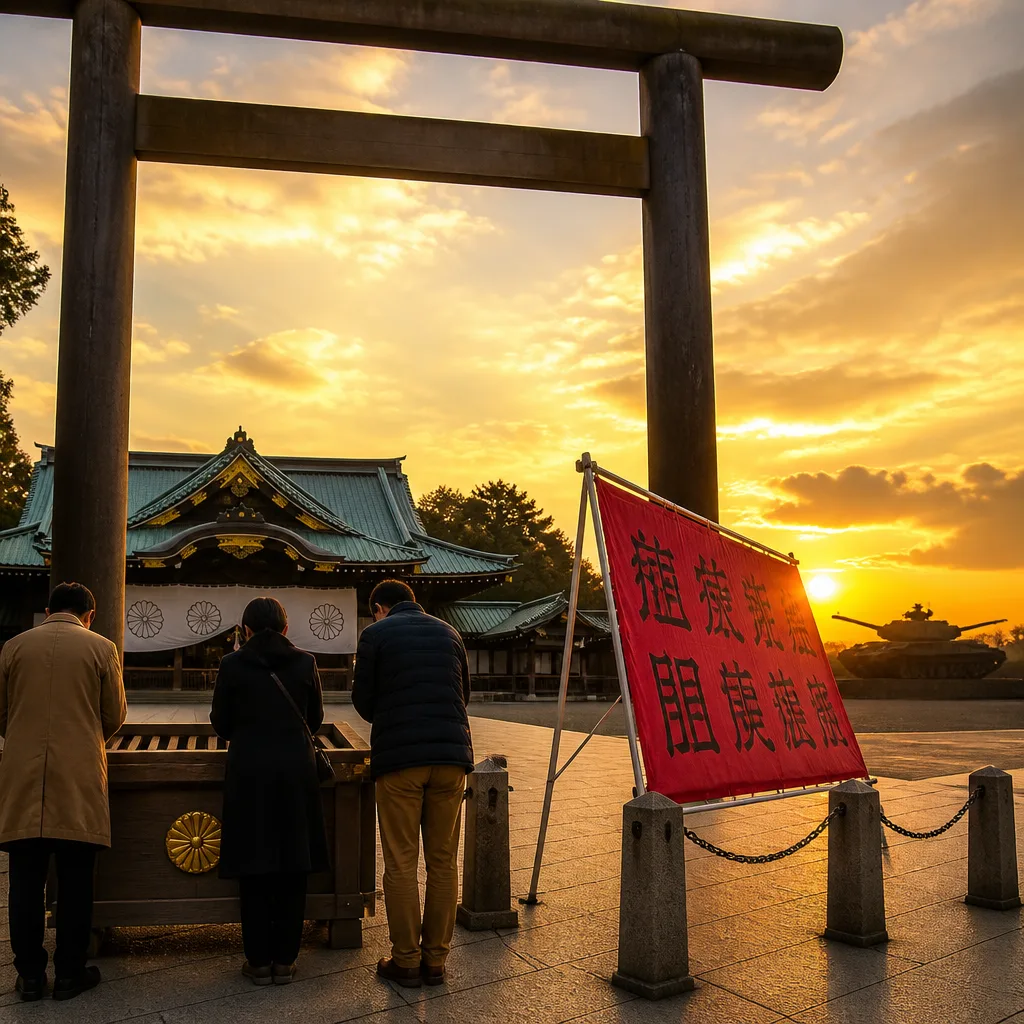
China has strongly protested visits and offerings at Tokyo’s Yasukuni Shrine by senior Japanese politicians, saying the acts on the anniversary of Japan’s unconditional surrender in World War II amount to attempts to whitewash wartime crimes and could accelerate remilitarisation.
Beijing lodges formal complaints
A Chinese Foreign Ministry spokesperson described the shrine as "a spiritual tool and symbol of Japanese militarism" and said Beijing had lodged serious protests with Tokyo after Prime Minister Sanae Takaichi made a monetary offering and several Cabinet ministers and ruling party figures visited the site.
"We urge the Japanese side to do serious soul-searching on its history of aggression, make a clean break with militarism, and earn the trust of its Asian neighbors and the rest of the world with concrete actions."
The spokesperson warned that the visits served to "change the verdict on the war criminals, cover up Japan's war crimes, distort the historical facts and pave the way for accelerating remilitarization," an accusation underlining the sensitive nature of wartime memory in China-Japan relations.
Who visited and why it matters
According to Chinese reporting, the prime minister made a donation at the shrine and four Cabinet colleagues — including Defence Minister Shinjiro Koizumi — together with senior members of the Liberal Democratic Party, also paid respects. Yasukuni honours Japan’s war dead and enshrines 14 convicted Class-A war criminals, a fact that has made it a recurrent source of diplomatic friction.
Chinese officials framed the actions as part of a broader political trend, noting the anniversary also marked the opening of the Tokyo Trials eight decades earlier. The Foreign Ministry statement stressed that correct historical reflection, as framed in political documents underpinning bilateral ties, formed an essential precondition for Japan’s postwar reintegration into the international community.
Regional and diplomatic consequences
The denunciation is likely to complicate already strained ties between Beijing and Tokyo. The Chinese position links visits to the shrine with a potential shift in Japan’s postwar posture and implies reputational damage among Asian neighbours if such gestures continue.
The row revives long-standing disputes over historical memory that routinely surface when Japanese officials visit Yasukuni, provoking responses from China and South Korea and drawing international attention because of the figures involved and the shrine’s associations.
- Key actors: Prime Minister Sanae Takaichi; Defence Minister Shinjiro Koizumi; Liberal Democratic Party officials.
- Beijing’s demand: Japan to repudiate militarism and properly reflect on wartime history.
- Diplomatic action: China lodged formal protests with Tokyo.
| Anniversary | Significance |
|---|---|
| 81st anniversary | Marking Japan's unconditional surrender in World War II |
| 80th anniversary | Opening of the Tokyo Trials (noted by Chinese statement) |
Tokyo has a history of differing domestic perspectives on the shrine. For many in Japan, Yasukuni is a place to mourn the war dead. For neighbours and critics, visits by politicians are interpreted as an endorsement of revisionist history and a signal of intent on defence policy.
The Chinese statement emphasised that the 1972 China–Japan joint communique enshrined mutual expectations about recognising history as the basis for postwar relations — a point Beijing invoked to argue that current actions undermine the political foundation for bilateral ties.
How Tokyo responds diplomatically will be watched closely in capitals across the region. Any further escalation could sharpen tensions over security and historical issues, complicating cooperation on broader matters such as trade, regional security and crisis management.
For now, Beijing’s protest puts renewed pressure on Japan to explain or justify official contacts with Yasukuni and keeps historical memory at the centre of an already fraught bilateral relationship.