
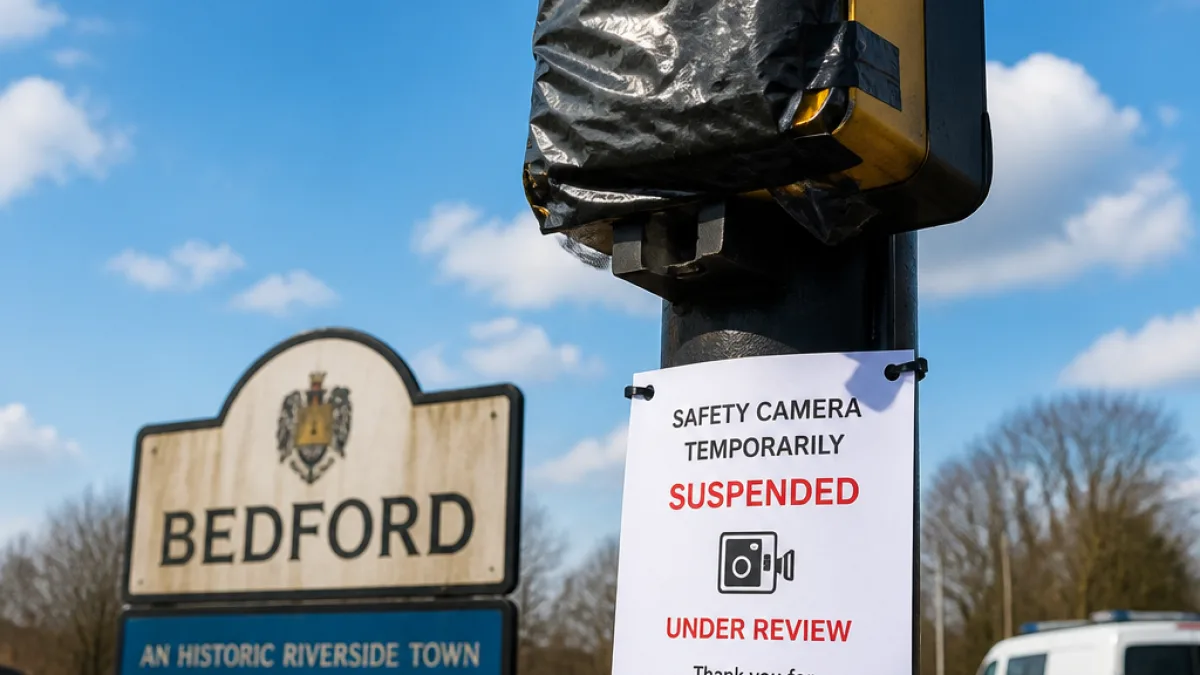
The police department in New Bedford, Massachusetts, has temporarily suspended use of Flock Safety automated licence plate reader (ALPR) cameras while it conducts a wide-ranging review of how the technology has been used.
What happened in New Bedford
Chief Jason Thody announced the suspension following recent technology audits. The department said internal investigations have been opened and that one officer has been placed on administrative leave. The review will examine historic use of the cameras in criminal investigations and assess how the technology supports public safety.
According to the police press release, the department will:
- temporarily suspend Flock Safety camera use;
- conduct a thorough review of past deployments and investigations involving the technology;
- work with elected officials, partners and the public to develop policies and procedures for secure use.
“Our responsibility is to ensure that any technology used by the department supports public safety while protecting the members of the community we serve,” Chief Thody said.
Why this matters beyond New Bedford
The New Bedford move follows a growing national discussion about the balance between public safety and civil liberties where ALPR systems are deployed. These systems log vehicle movements and can be used to track suspects, locate stolen cars and support criminal investigations. However, they also raise concerns about privacy, data retention, security and the potential for mission creep.
For communities in the United Kingdom, including Bedford, the episode is a timely reminder of the governance issues surrounding surveillance technology. While the legal and regulatory frameworks differ between the UK and the US, the practical questions are similar: who has access to the data, how long it is retained, what oversight exists, and what safeguards protect innocent members of the public.
Key elements under review
The New Bedford statement set out several strands that the internal review will consider. These represent common lines of enquiry that other forces and councils might also wish to scrutinise:
- past usage in criminal probes and whether the technology materially advanced investigations;
- policies on data access, retention and sharing with other agencies;
- technical audits to ensure the system is configured and operated correctly;
- engagement with elected officials and the public to develop clear governance.
| Issue | Raised by New Bedford |
|---|---|
| Technology audits | Yes |
| Internal investigations | Yes |
| Officer placed on leave | Yes |
The department did not confirm whether the technology at the centre of the audits is specifically Flock Safety, but the public statement names Flock as the system being suspended. New Bedford first acquired the technology in 2024 and has used it in policing operations since then.
Implications for local debate in Bedford
Local authorities and police forces across the UK have been adopting various forms of roadside and fixed-camera ANPR/ALPR systems for legitimate policing tasks, such as tracking stolen vehicles and locating suspects. The New Bedford action underlines the importance of transparent policy, independent oversight and public consultation when such systems are in use.
Residents in Bedford should be aware of several practical questions they can raise with local councillors and police representatives:
- What technology is in current use, and what is its purpose?
- How long is data retained and who can access it?
- What independent audits or safeguards are in place?
The New Bedford case does not prescribe answers for Bedford, but it does illustrate the potential for audits and investigations to prompt significant operational and policy changes. Forces and councils that deploy surveillance tools risk public concern if governance arrangements are perceived as opaque or inadequate.
As police technology evolves, scrutiny from the public and elected officials is likely to intensify. The unfolding review in New Bedford will therefore be watched closely by other communities, including those here in the East of England, for lessons on how to balance effective policing with citizens’ rights.