Winslow objects to county plan that could reshape communities around Aylesbury
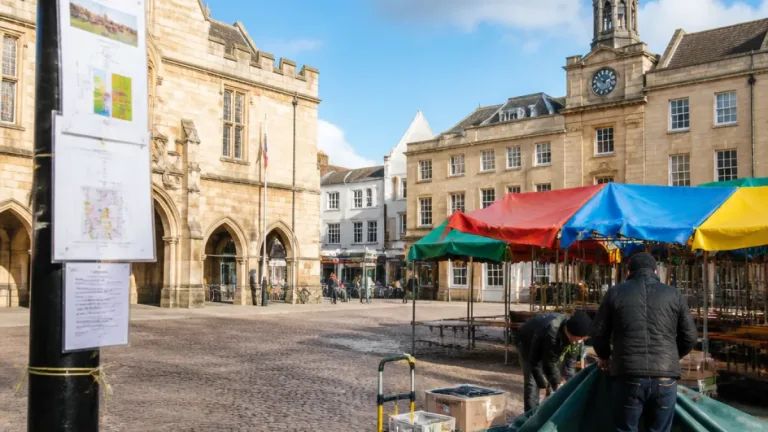
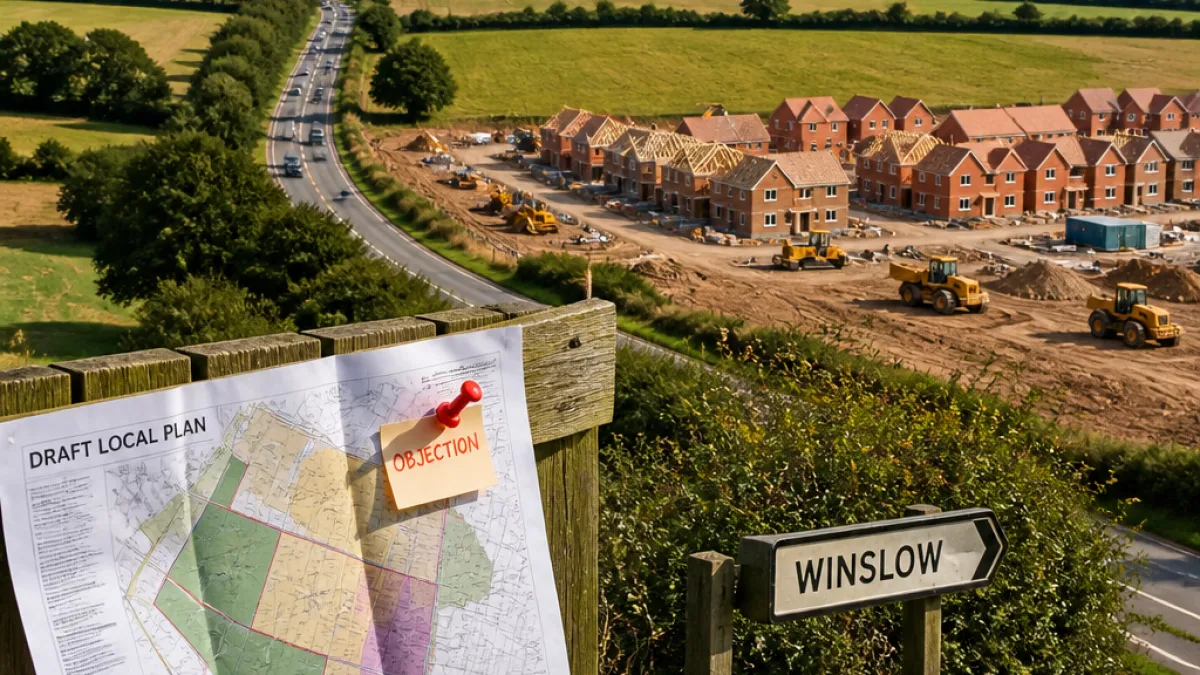
Buckinghamshire Council’s draft local plan — the document that will guide housing and growth across the county over the next two decades — has prompted a formal and sustained objection from Winslow Town Council.
The town council submitted a 19-page response to the consultation, arguing the plan contains insufficient appraisal of impacts and is unclear about how the authority would deliver the Government’s housing targets in a way that protects local services and transport. The response highlights dramatic changes for the town: projections indicate a rise from about 5,500 residents to nearly 30,000.
- Identified capacity: one area in Winslow could accommodate 3,650 new properties; another has potential for 1,500 dwellings.
- Clustered projects: Winslow town council identified eight housing projects either in or adjoining the town; if all proceed they would add 9,370 homes by 2045.
- Town council critique: the plan’s sustainability appraisal is called "woefully lacking in detail and analysis".
Those figures sit alongside wider talk — during the national new towns discussions — of areas being considered for major expansion. Winslow was reported as among places under consideration for the Government’s new towns policy, which looks to create whole new communities of at least 10,000 homes; ultimately, Milton Keynes was the area selected in the Buckinghamshire block.
The town council’s submission does more than dispute numbers. It accuses the unitary authority of failing to understand local geography and transport implications, singling out an absence of any assessment of re-aligning the A413 as an example. The response warns the plan does not show how proposals relate to neighbouring settlements, or what the opportunity costs of such development might be for local services, the local economy and the environment.
"The proposals demonstrate little or no understanding of the functional geography of the Winslow area – the absence of any assessment of A413 re-alignment options is a case in point"
Winslow’s critique also highlights the reported lack of engagement from key transport operators. The town council said it noted a shortfall of input from Chiltern Railways and Network Rail during the plan’s development — a concern given the pressure additional housing would place on local rail and road networks that serve Aylesbury and surrounding towns.
What this means for Aylesbury and surrounding communities
For residents in and around Aylesbury the objections flag two practical issues. First, dramatic population and housing growth in satellite towns can place added demands on services such as schools, health care and public transport that are already stretched. Second, the absence of clear transport mitigation measures in the plan could transfer traffic and congestion onto routes used daily by commuters and freight, including roads into Aylesbury.
Buckinghamshire Council, whose headquarters are in Aylesbury, will need to consider the representations made during the consultation period as it refines the plan. The council will weigh competing priorities: meeting national housing targets while seeking to ensure infrastructure and environmental safeguards are in place. Winslow’s filed objections make clear that some town councils will press the authority to produce much more detailed analysis before any large-scale allocations are progressed.
The consultation period on the draft plan was intended to capture exactly this sort of local scrutiny. The next stages will determine whether the council responds to criticisms by producing more detailed sustainability appraisals, engaging more fully with transport providers, or amending proposed site allocations. That process will shape not just Winslow but the pattern of growth across the Vale — and how Aylesbury copes with the secondary pressures that change in its hinterland brings.
| Current figure | Projected / identified |
|---|---|
| Winslow population (approx.) | From ~5,500 to nearly 30,000 |
| Large site identified | 3,650 homes |
| Another site | 1,500 homes |
| Eight projects (combined) | 9,370 homes by 2045 |
Buckinghamshire Council must now respond formally to representations submitted during the consultation. For local people the key questions will be whether the plan can demonstrate realistic delivery of infrastructure and whether future drafts will address the specific geographic and transport concerns that Winslow and others have raised.
As this process develops, residents in Aylesbury and across the Vale will want transparency from the council about what infrastructure will follow housing allocations, and how service pressures will be managed. The battle over the next draft is likely to focus on the evidence base underpinning allocations and on securing commitments from transport providers — matters that will determine how growth plays out across the county.