Anas Sarwar has described the post of Scottish Labour leader as the “hardest job in British politics”, saying he will not publicly endorse any of the three people contesting the role after he stepped down last month to join the UK Government.
Resignation and reaction
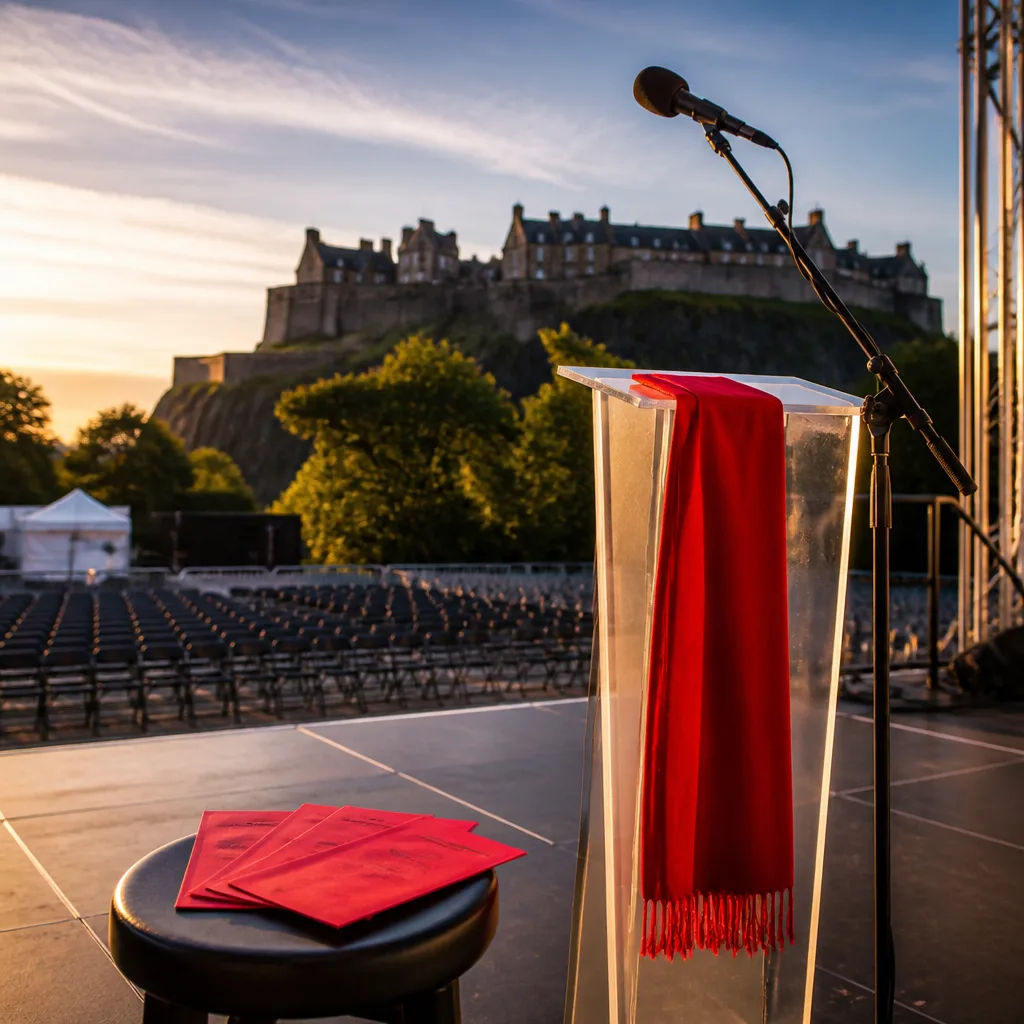
Sarwar, speaking at the Edinburgh Fringe in an interview with comedian and podcaster Matt Forde, said he remained “heartbroken” over Scottish Labour’s performance at the Holyrood election in May, which he said produced the party’s worst outcome in the devolution era. He resigned as leader after being offered a peerage by Prime Minister Andy Burnham, a move that permitted him to accept a ministerial post as UK trade minister.
He told his audience that the task of heading Scottish Labour had tested him more than his previous five years leading the party at UK level in opposition. Sarwar argued that while some have long considered the UK Labour leadership in opposition to be the most demanding post in British politics, his own experience led him to a different conclusion.
"So often, I heard people say the hardest job in British politics is being the leader of the UK Labour party in opposition. Honestly, hand on heart, because I did it for five years, the hardest job in British Labour is being leader of Scottish Labour."
Leadership contest and advice
Sarwar made clear he would not be one of the former leaders who regularly offer public comment or instruction to successors. He said the most useful support ex-leaders could give was to be quietly available, to provide counsel when asked and to help when invited, rather than publicly criticise or direct.
He declined to back any candidate in the contest to succeed him, describing the three nominees — Michael Marra, Joe Fagan and Monica Lennon — as capable. The party membership is in the process of choosing between them, with each seeking to rebuild the organisation after the election setback.
- Michael Marra — candidate in leadership race.
- Joe Fagan — candidate in leadership race.
- Monica Lennon — candidate in leadership race.
Electoral context
The Holyrood contest in May left Scottish Labour without victory; the party has not won a Scottish Parliament election since 2003, a span Sarwar referenced as a backdrop to his comments. He acknowledged the campaign had struggled to make headway amid a spring news agenda dominated by international developments and other high-profile stories he said drew attention away from party messages.
He singled out two particular issues that he felt overwhelmed Scottish Labour’s efforts to connect with voters: the military conflict between the US and Israel, and a scandal involving a senior Labour figure. Sarwar said these events limited the space for Scottish Labour’s campaign themes to reach the electorate.
Implications for the party
Sarwar’s assessment and his refusal to take sides underscore the delicate position the party now faces. Incoming leadership will need to tackle the immediate task of regrouping after a poor result, while also navigating perceptions about the party’s national direction and its relationship with the UK Government following Sarwar’s move to a ministerial role.
How the new leader approaches party unity and public communication will be watched closely by members and opponents alike. Sarwar’s appeal for quiet, practical support to his successors signals a preference for internal solidarity over public scrutiny from ex-officeholders.
| Item | Detail |
|---|---|
| Recent Holyrood outcome | Described by Sarwar as the party’s worst result in the devolution era |
| Reason for Sarwar’s resignation | Accepted a peerage and appointment as UK Minister for Trade |
| Leadership candidates | Michael Marra, Joe Fagan, Monica Lennon |
Sarwar’s comments at the Fringe add a personal note to the leadership transition. They also frame the contest as a test of resilience for Scottish Labour — a party seeking to recover electoral ground and re-establish a compelling narrative to voters across Scotland.