
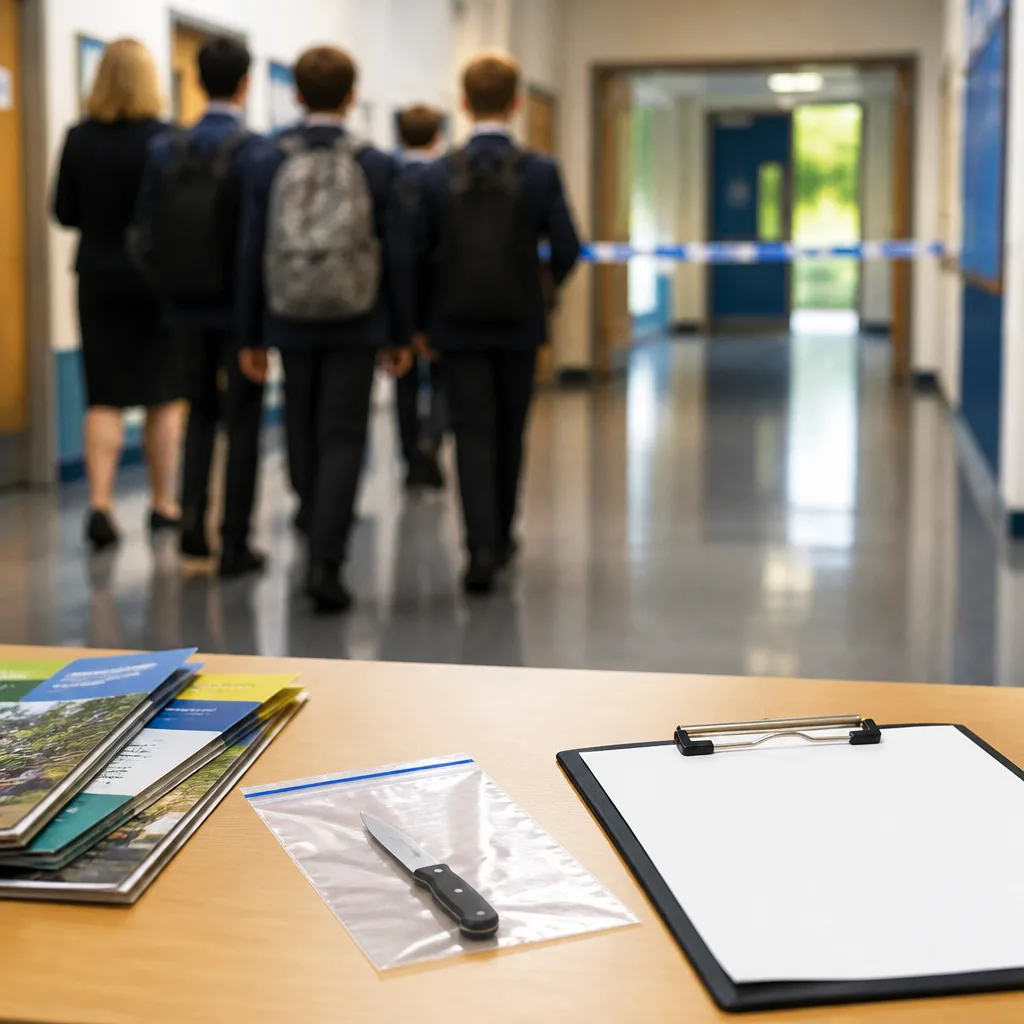
Almost fifty incidents involving knives or bladed articles in Edinburgh schools have been recorded since 2021, according to figures published by the Scottish Liberal Democrats. The party said the data show 37 crimes of possession of an article with a blade or point and a further 10 where such items were used in other criminal activity in school settings in the city.
MSP calls for renewed focus on youth intervention
The findings were highlighted by Sanne Dijkstra-Downie, the Scottish Liberal Democrat MSP for Edinburgh Northern, who used the figures to press the Scottish Government to intensify efforts to tackle youth knife crime. The MSP warned of the distress caused to pupils and staff by each incident and argued that a broader understanding of the drivers behind the trend was needed.
“Each one of these crimes will have been hugely distressing for the staff and pupils involved,”
In remarks accompanying the release, the MSP pointed to the possible long-term effects of the Covid-19 pandemic on young people and criticised what she described as a failure by ministers to recognise the value of preventive services such as youth work. She said investment in such programmes could provide mentorship and support from adults other than parents or teachers, and help reduce the risk of violence.
Wider Scottish context
The Edinburgh figures form part of broader data the party has previously publicised, which indicated that police across Scotland recorded almost 700 offences for possessing an article with a blade or point in schools over the last five years. The latest Edinburgh numbers therefore sit alongside national totals that, according to the party, point to a persistent problem in education settings.
Campaigners and political figures frequently link incidents of school-based knife crime to social and structural factors. In this instance, the MSP said interventions outside the classroom can play a preventive role by providing young people with alternatives and support.
- Edinburgh schools (since 2021): 37 possession offences; 10 incidents where blades were used in other crimes.
- Scotland (five years): Police recorded almost 700 possession offences in schools, as previously revealed by the Scottish Liberal Democrats.
- Policy focus: MSP urged investment in youth work and attention to pandemic-related impacts on young people.
| Category | Number |
|---|---|
| Possession of blade/point in Edinburgh schools (since 2021) | 37 |
| Use of blade/point in other offence in Edinburgh schools (since 2021) | 10 |
| Possession offences in Scottish schools (five years) | ~700 |
Those figures were released as part of the Scottish Liberal Democrats’ campaign on youth safety and policing in schools. The MSP framed the numbers as a call to action, arguing that targeted and sustained investment in youth services is needed to give young people “the choices and the futures they deserve”.
Questions for government and schools
The data prompt a number of policy and operational questions for education authorities and the Scottish Government, including how schools are monitored for such incidents, the role of police and safeguarding partners, and the extent to which preventative measures are being prioritised in budgets and strategies.
The MSP also urged an examination of the pandemic’s legacy for young people, suggesting the disruption may have exacerbated vulnerabilities that can contribute to involvement in or exposure to violent incidents. She argued that non-school-based interventions, particularly youth work, can be effective because they often offer support from adults who are neither parents nor teachers.
Political parties, education unions and child welfare organisations frequently debate how best to balance immediate security measures in schools with long-term prevention. The Edinburgh figures are likely to re-open those debates in Holyrood and among local authorities tasked with protecting pupils and staff.
Police and education authorities were not quoted in the party release. The figures summarised here reflect the counts provided by the Scottish Liberal Democrats and their analysis of police-recorded offences.














