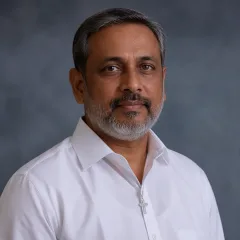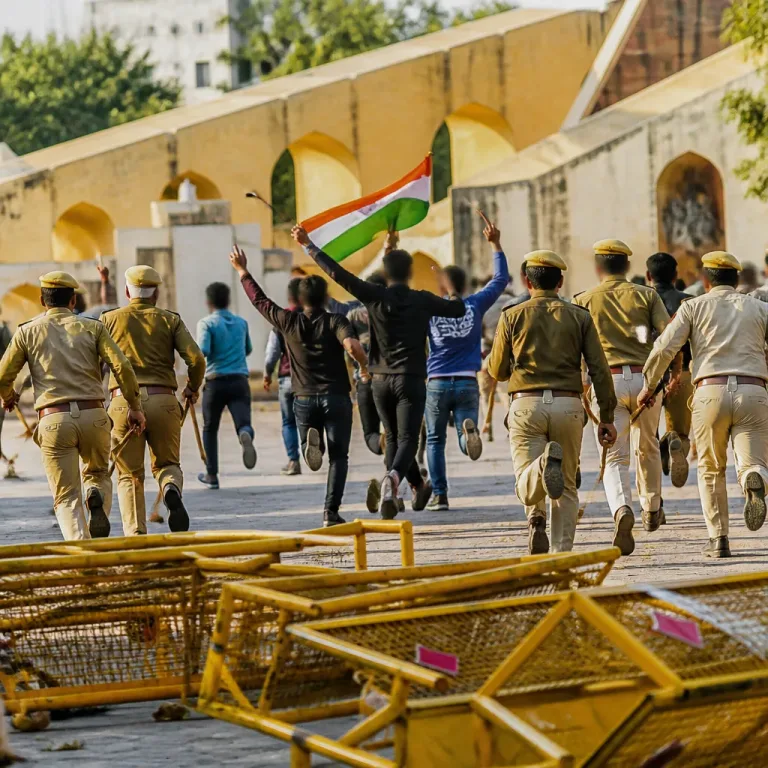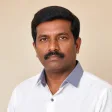
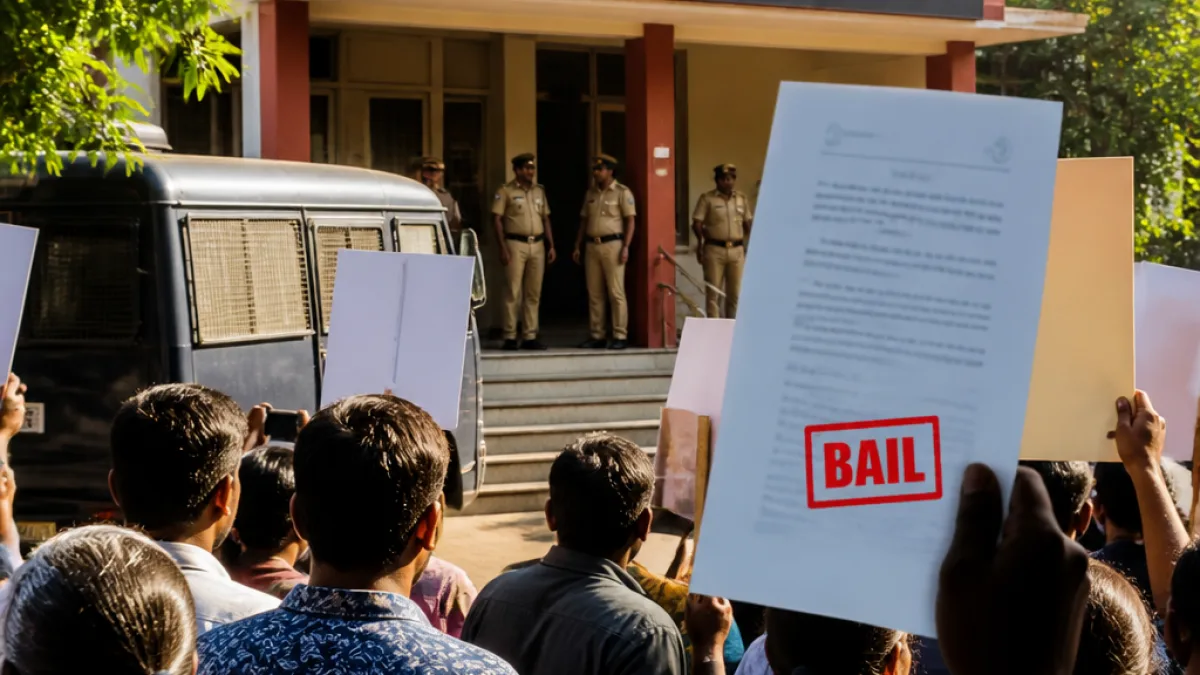
Thiruvananthapuram: The Additional Chief Judicial Magistrate's Court in the Kerala capital on Monday granted bail to TG Mohandas, the Hindutva commentator who was arrested by the Thiruvananthapuram Cyber Police on Sunday for comments made about student demonstrators at Jantar Mantar protesting a NEET paper leak.
Court sets conditions for release
The magistrate released Mohandas after hearing his bail petition, ordering that he cooperate with the ongoing investigation and refrain from repeating the statements that led to his arrest. The court’s order was given nearly 24 hours after police took him into custody.
In his application for bail, Mohandas contended that his remarks fell within the ambit of free speech and suggested the prosecution was motivated by political considerations, according to reports.
What prompted the arrest
The arrest followed online videos posted by Mohandas on his YouTube channel, Pathrika, in which he commented on the student protests held at Jantar Mantar. Reports say in two of the videos he spoke about extreme measures that could be taken against protesters and made derogatory remarks about women participants. One controversial line attributed to him was that the women protesters “liked” to be raped, a phrase that attracted widespread condemnation.
“liked” to be raped
The Thiruvananthapuram Cyber Police registered cases against Mohandas under provisions that include wantonly giving provocation with intent to cause a riot, making statements conducing to public mischief, relevant computer-related offences, and causing nuisance and breach of public order.
Political reactions
The arrest drew prompt responses from political quarters. The state unit of the Bharatiya Janata Party described the action as discriminatory. Party official S Suresh accused authorities of staging a "drama" to divert attention from recent flood-relief operations and protests in coastal areas, according to reports.
On the other hand, student groups mobilised at the court. The Student Federation of India (SFI), affiliated to the Communist Party of India (Marxist), held a protest when Mohandas appeared before the magistrate.
Legal and civic implications
Police invoked cybercrime and public-order statutes in the case, signalling the use of digital-evidence provisions for social-media content that allegedly incites hostility. The matter raises recurring questions about the boundary between protected expression and speech that may provoke violence or target specific groups.
- Date of arrest: 9 August 2026 (Sunday)
- Bail granted: 10 August 2026 (Monday)
- Place: Thiruvananthapuram Cyber Police; Additional Chief Judicial Magistrate's Court
Charges listed in court papers
| Allegation | Nature |
|---|---|
| Wantonly giving provocation with intent to cause a riot | Public order |
| Making statements conducing to public mischief | Public mischief |
| Computer-related offences | Cyber law |
| Causing nuisance and violation of public order | Public order |
The government agencies handling the case have said the probe will continue and Mohandas must cooperate with investigators as a condition of his bail.
Context and public discourse
The episode has reignited debates in Kerala over hate speech, online conduct and the responsibilities of public commentators. Kerala has a politically charged public sphere where statements by prominent activists and commentators often prompt immediate mobilisation by student organisations, political outfits and civil-society groups.
Legal experts note that prosecutions based on online speech increasingly depend on establishing a direct link between the remark and likely public disorder; courts have in the past balanced individual liberty with the state’s duty to preserve peace.
For now, the case will proceed through the standard investigative and judicial processes. The next steps will depend on the progress of the police probe and the evidence gathered from digital platforms and other sources.
Further hearings will determine whether the charges lead to a trial or are altered as investigators complete their examination.
Thomas Varghese, Kerala Correspondent