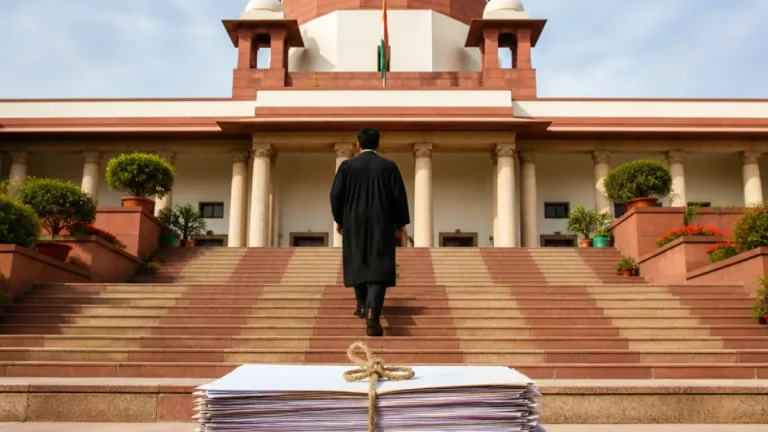
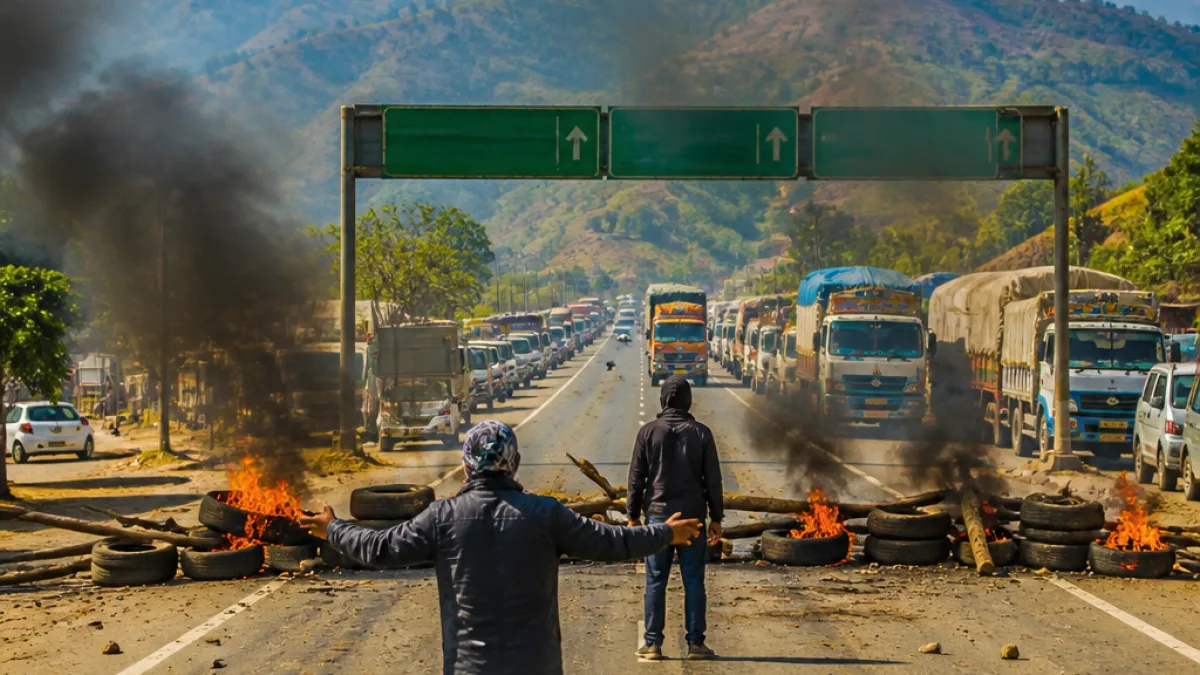
New Delhi: The Supreme Court on Friday urged Kuki and Meitei groups in violence-riven Manipur to end road blockades and work towards restoring peace, telling representatives that continued obstruction of highways harms ordinary people and impedes essential supplies.
Top court asks groups for details, proposals within two weeks
A bench comprising Chief Justice Surya Kant and Justices Joymalya Bagchi and V Mohana directed both sides to provide, within a fortnight, particulars of roads that have been blocked in the State and concrete suggestions on how they propose to reopen them. The court impleaded the Centre and the National Highways Authority of India (NHAI) as parties in the matter.
“You must be tired of fighting. Think of restoring peace and making roads and highways functional,” the bench said, adding that highways are the lifeline of any region.
The bench emphasised that judicial orders to forcibly open highways could carry risks and asked the community organisations to take the initiative to restore connectivity voluntarily. The court told petitioners and interveners it would ensure that both groups work towards reopening the roads.
Background of violence and humanitarian impact
The court hearing comes as Manipur continues to suffer from recurrent ethnic violence that originally erupted in May 2023. According to figures cited during the proceedings, more than 260 people have been killed and thousands displaced since the conflict began between Meitei communities in the Imphal valley and Kuki groups from the surrounding hills.
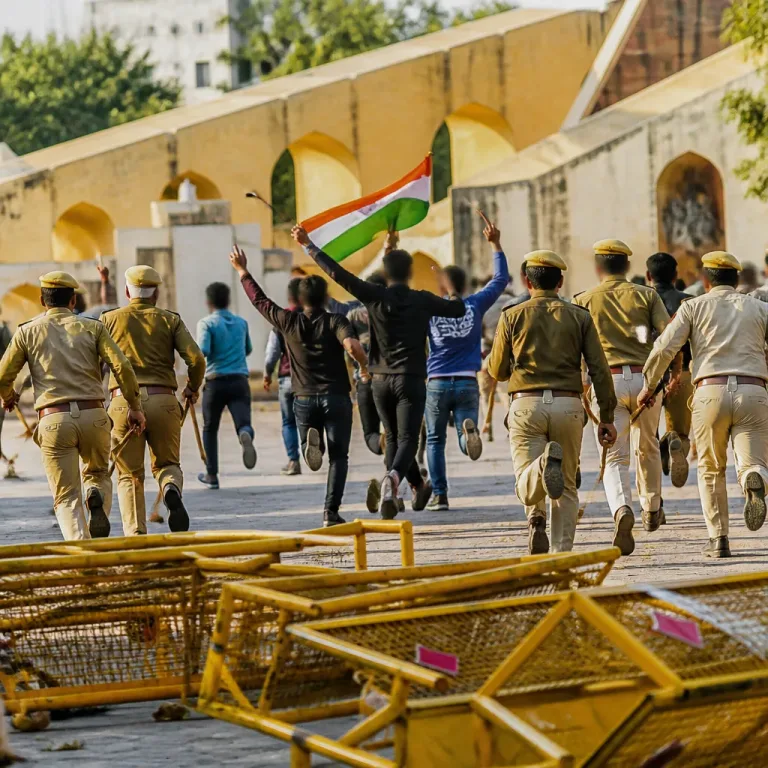
Blocking of national and state highways has exacerbated shortages of essential commodities in many areas and complicated delivery of relief and movement of civilians. The bench said obstruction of roads serves no one’s interest and urged the groups to consider the hardship inflicted on the population when supply lines are cut.
| Aspect | Reported figure |
|---|---|
| Fatalities since May 2023 | More than 260 |
| Displaced persons | Thousands |
Court directions and parties involved
The bench was hearing a petition filed by the Kuki Women Organisation for Human Rights, a wing of the Kuki Organisation of Human Rights Trust (KOHUR), and an intervention by the International Meitei Organisation. Senior advocate Anand Grover, appearing for the Kuki petitioner, said the organisation opposed violence and favoured peace and reopening of routes.
The court observed that blocking national highways is a serious matter and acknowledged the genuineness of grievances raised, but cautioned that judicial compulsion to open roads might entail loss of life. It therefore sought cooperative proposals from the groups themselves.
Practical implications for Manipur residents
Opening highways would allow movement of medical supplies, food grains, fuel and other essentials to reach parts of the State that have been isolated at times by shutdowns. Restoring connectivity would also facilitate normalisation of administration and enable displaced families to access relief camps or return to homes when conditions permit.
The involvement of the Centre and the NHAI as parties signals that the court may examine administrative and infrastructural aspects of reopening roads, including security arrangements and repair or maintenance requirements for affected stretches.
What the court asked for and next steps
- Both community groups must submit, within two weeks, a list of blocked roads and suggested measures to reopen them.
- The Centre and NHAI have been joined as parties to the petition to provide administrative and technical inputs.
- The bench indicated it would monitor progress and expects collaborative proposals rather than unilateral enforcement orders that could endanger lives.
The hearing underscores the judiciary's intent to press for practical, locally driven solutions to barriers that prolong hardship. The court's request for actionable plans gives the groups an opportunity to demonstrate goodwill and prioritise civilian welfare over sustained disruption.
There was no immediate indication in court of specific security deployments or timelines for implementation beyond the two-week window for submissions. The matter will return to the Supreme Court after the inputs are filed.