Monsoon swell brings Sangam shoreline closer to temples, local businesses affected
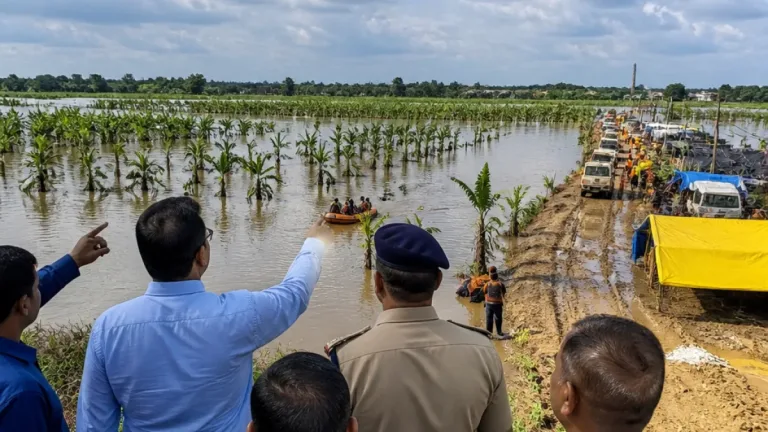
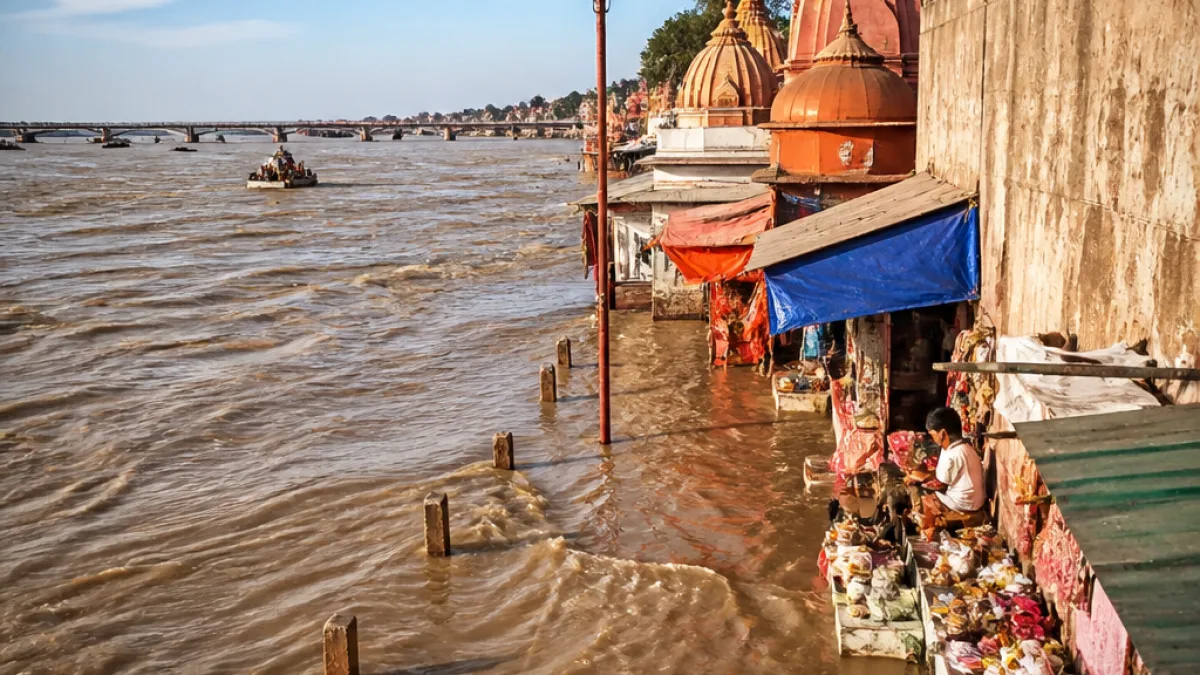
The water levels of the Ganga and Yamuna rivers in Prayagraj have risen amid ongoing monsoon rains, causing the Sangam area to shift nearer the banks and sending water into low-lying stretches close to the Nagvasuki Temple, residents and reports said on Sunday. The seasonal advance of the rivers has also disrupted shops and businesses that depend on pilgrims and visitors to the confluence.
Locals said the phenomenon is recurrent during the monsoon but that the changing waterline has drawn the historic confluence area closer to built structures along the riverside. The Sangam — where the Ganga, Yamuna and the mythical Saraswati meet — is one of the city’s principal religious landmarks and a perennial draw for devotees.
"The water levels of both the Ganga and Yamuna are rising. This happens every year. The water comes close to the Hanuman Temple. Earlier, the Sangam area was far, but as the water level rises, it comes closer to the Hanuman Temple," said local resident Rajesh Pandey.
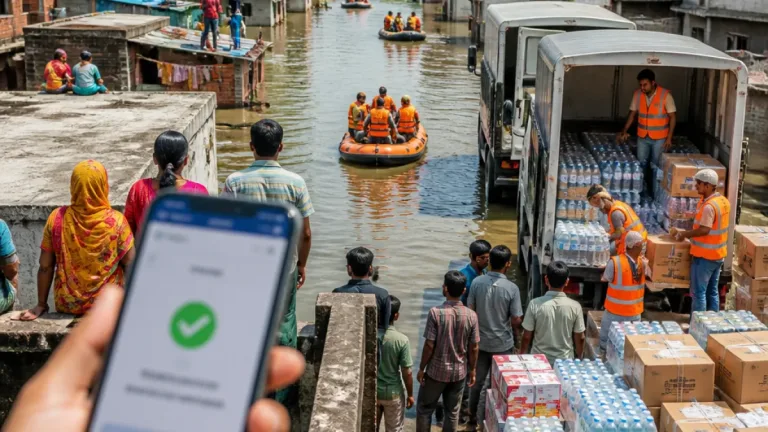
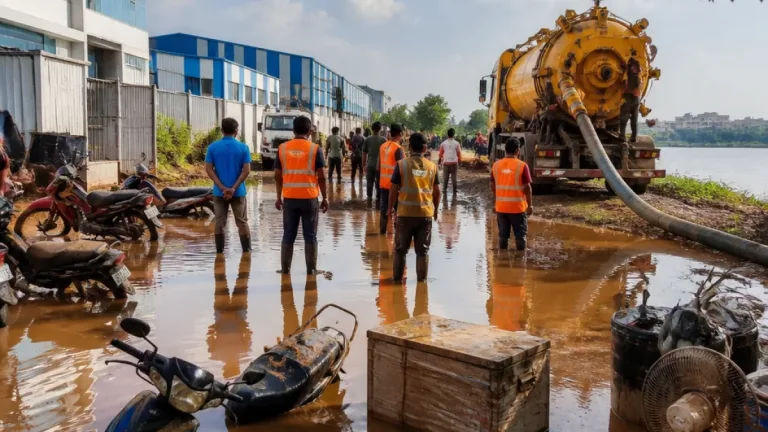
Residents and traders in neighbourhoods adjoining the river said low-lying areas near the Nagvasuki Temple have begun to take in water. Several small shops and stallholders who rely on footfall during the pilgrimage season reported disruptions as the river gradually approached nearby structures.
- Sangam proximity: Rising water has reduced the distance between the usual Sangam stretch and the Hanuman Temple area, according to local accounts.
- Local commerce: Stallholders and businesses operating close to the river said operations were impeded as water advanced towards their premises.
- Monitoring: Authorities regularly monitor river levels during the monsoon at locations across north India; local watchers said they were keeping a close eye on developments in Prayagraj.
Officials have in previous seasons kept watch on river behaviour at Prayagraj, issuing advisories and taking precautionary steps when levels threaten infrastructure or pilgrim safety. The current reports did not include any official measurements or alerts from the district administration or the Central Water Commission for the city; residents said the seasonal rise followed recent rains upstream and across the region.
| Area | Reported impact |
|---|---|
| Sangam / Hanuman Temple area | Shoreline shifted closer to temple precincts |
| Nagvasuki Temple & adjoining low-lying stretches | Water ingress into low-lying points; local shops affected |
Seasonal shifts in river geometry at the Sangam are well known to residents and temple authorities; monsoon flows can alter sandbars and access points, changing where pilgrims can safely reach the confluence. The changing riverline also influences arrangements for rituals and any temporary facilities that cater to visitors.
Local traders, many of whom run small stalls selling religious paraphernalia, refreshments and services to pilgrims, said reduced access and the threat of inundation could dent earnings at a time when visitor numbers typically increase. Some indicated they would relocate movable items to higher ground until the river receded.
While the current situation was described by residents as part of the annual monsoon pattern, the development serves as a reminder of seasonal flood risks for riverside communities in Uttar Pradesh. Authorities generally keep watch on upstream rainfall and river discharges and coordinate on flood management when required. For now, residents along the Sangam corridor said they were monitoring official updates and taking precautionary steps as the rivers remain high.
Further official measurements or advisories from the district administration, irrigation department or the Central Water Commission would provide precise data on the rivers' stages and any mandatory actions for local populations and pilgrims visiting the Sangam.