Governor, author underline need for effective participation over mere numbers
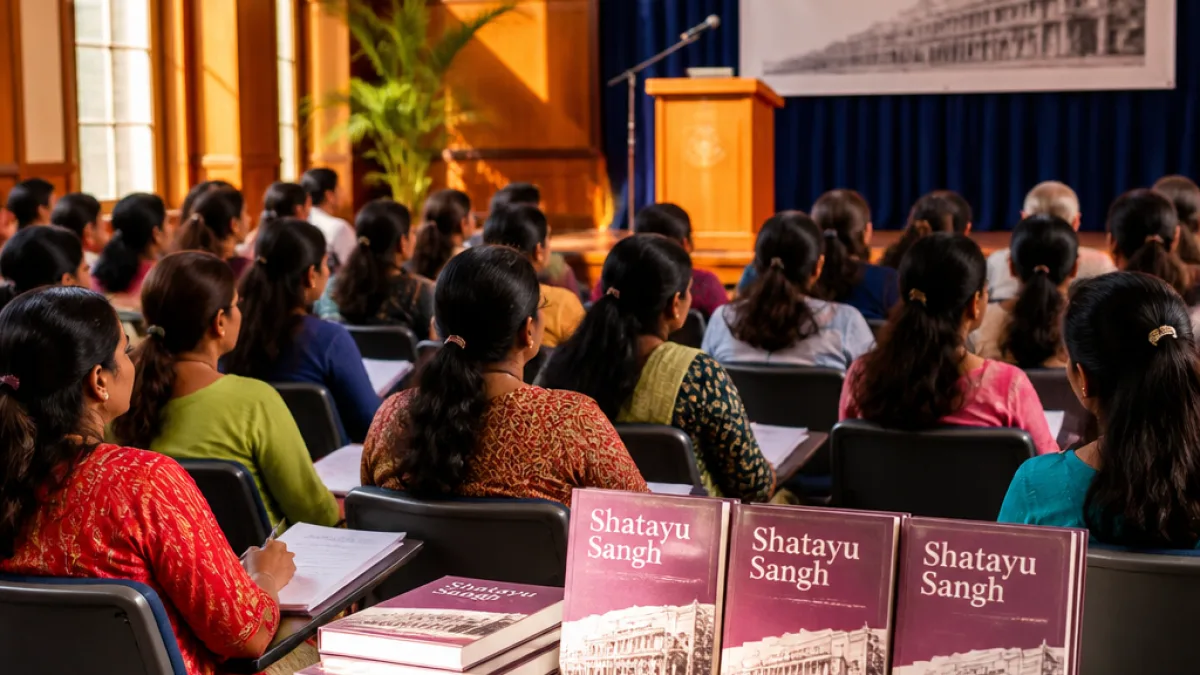
Ranchi: A discussion held at Audrey House on Monday as part of the Rashtriya Swayamsevak Sangh (RSS) centenary commemorations focused on the expanding public role of women and the need for effective participation in decision‑making, speakers said. The programme examined themes from Dr Shobha Vijendra’s book Shatayu Sangh and Women’s Participation, which was formally launched in March.
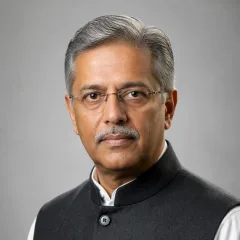
Governor Santosh Gangwar spoke at the event and emphasised that women’s contribution must extend beyond the family sphere into politics, administration, education and industry. He said that while numerical representation of women in public offices is important, the quality of their involvement in policy and administration matters equally.
“Women’s participation should not be measured only by numbers; their effective participation in decision‑making is equally important,” the Governor said.
At the same time, he noted the growing presence of women in panchayats and local bodies as evidence of their capacity to shoulder administrative responsibilities with efficiency and sensitivity. Linking the theme to national development goals, the Governor framed women’s empowerment as integral to the Viksit Bharat 2047 vision, saying an educated and empowered woman can influence families and future generations.
Research findings and perspectives presented
Author Shobha Vijendra outlined the research basis of the book. She said she interacted with nearly 100 women while preparing the volume, and the experiences of 34 of those women are included in the published work. The book, she explained, explores women’s experiences and perspectives in the context of broader Sangh thought, and situates its analysis within an Indian cultural framework that views women and men as complementary.
Speakers attending the discussion described the publication as a contribution to the centenary year debate on women’s public leadership within the organisation. They highlighted the need for more spaces where women’s administrative and policy perspectives can be articulated and acted upon.
- Event: RSS centenary programme at Audrey House, Ranchi.
- Book: Shatayu Sangh and Women’s Participation by Dr Shobha Vijendra (launched in March).
- Research: author interviewed nearly 100 women; 34 accounts included in the book.
Local implications and context
Speakers' emphasis on women's substantive involvement in governance bears direct relevance to Jharkhand's local bodies. The state has seen steady increases in women’s representation at the panchayat and municipal levels over the past decade; organisers argued that moving from representation to influence requires training, institutional support and opportunities to hold office in executive roles.
Panelists framed the discussion as part of a broader effort during the RSS centenary year to reflect on organisational ideas about public leadership and social roles. They said documenting lived experiences helps broaden the policy conversation and may inform efforts to build capacity for women leaders in villages and towns.
Programme and participants
The literature discussion formed one component of the centenary events in the city. Speakers at Monday’s programme reviewed central themes from the book and related them to ongoing debates about women’s public roles. According to reporting on the event, participants commended the research approach and said the book adds to discussions on women’s leadership during the organisation’s hundredth year.
| Item | Detail |
|---|---|
| Venue | Audrey House, Ranchi |
| Book | Shatayu Sangh and Women’s Participation (launched in March) |
| Women interviewed | Nearly 100 |
| Accounts published | 34 |
Organisers said the discussion was intended to stimulate further engagement on how women can move from representation to meaningful leadership across governance and public institutions. They urged follow‑up programmes focusing on training, mentorship and platforms for women’s voices in policy forums.